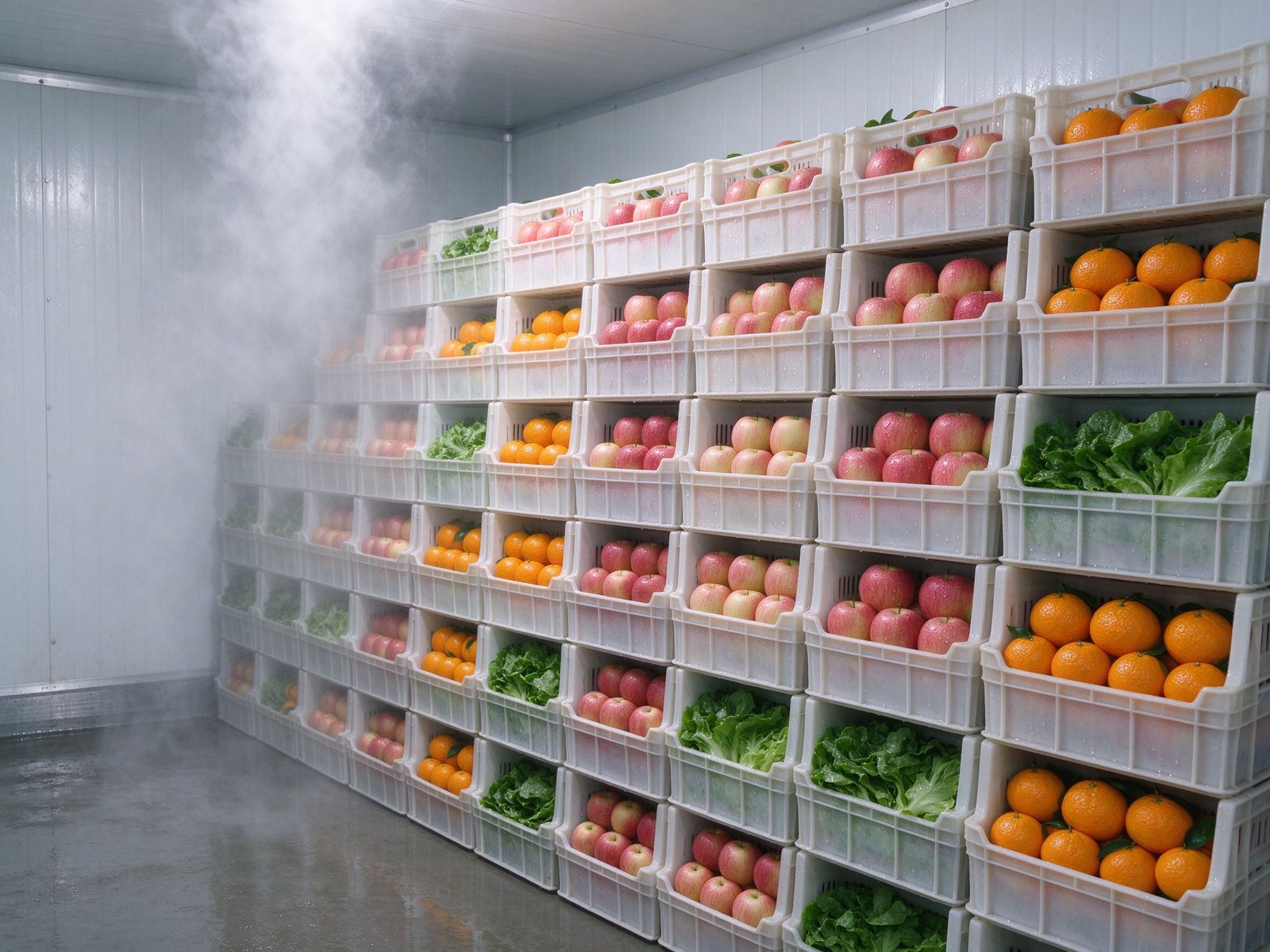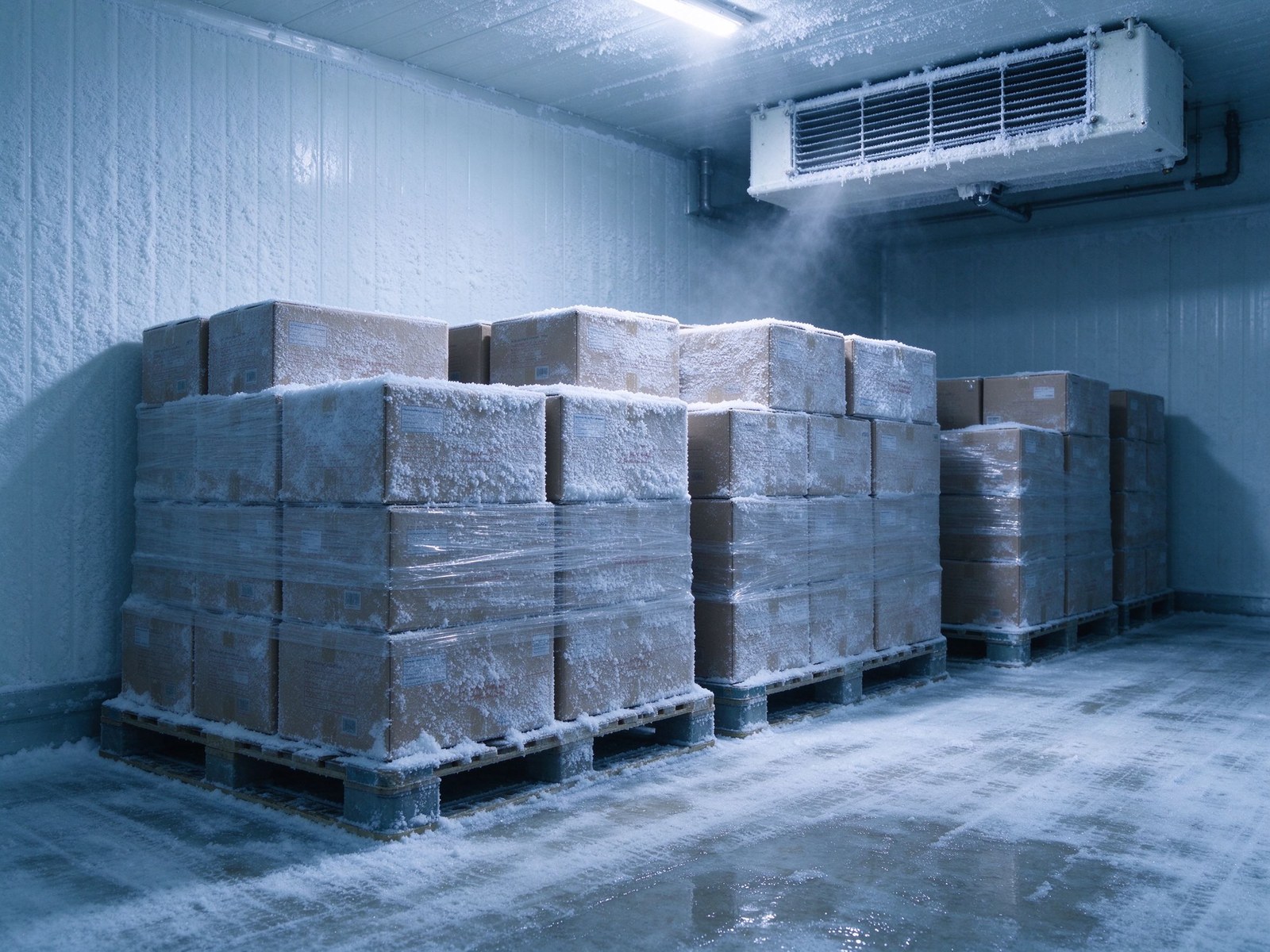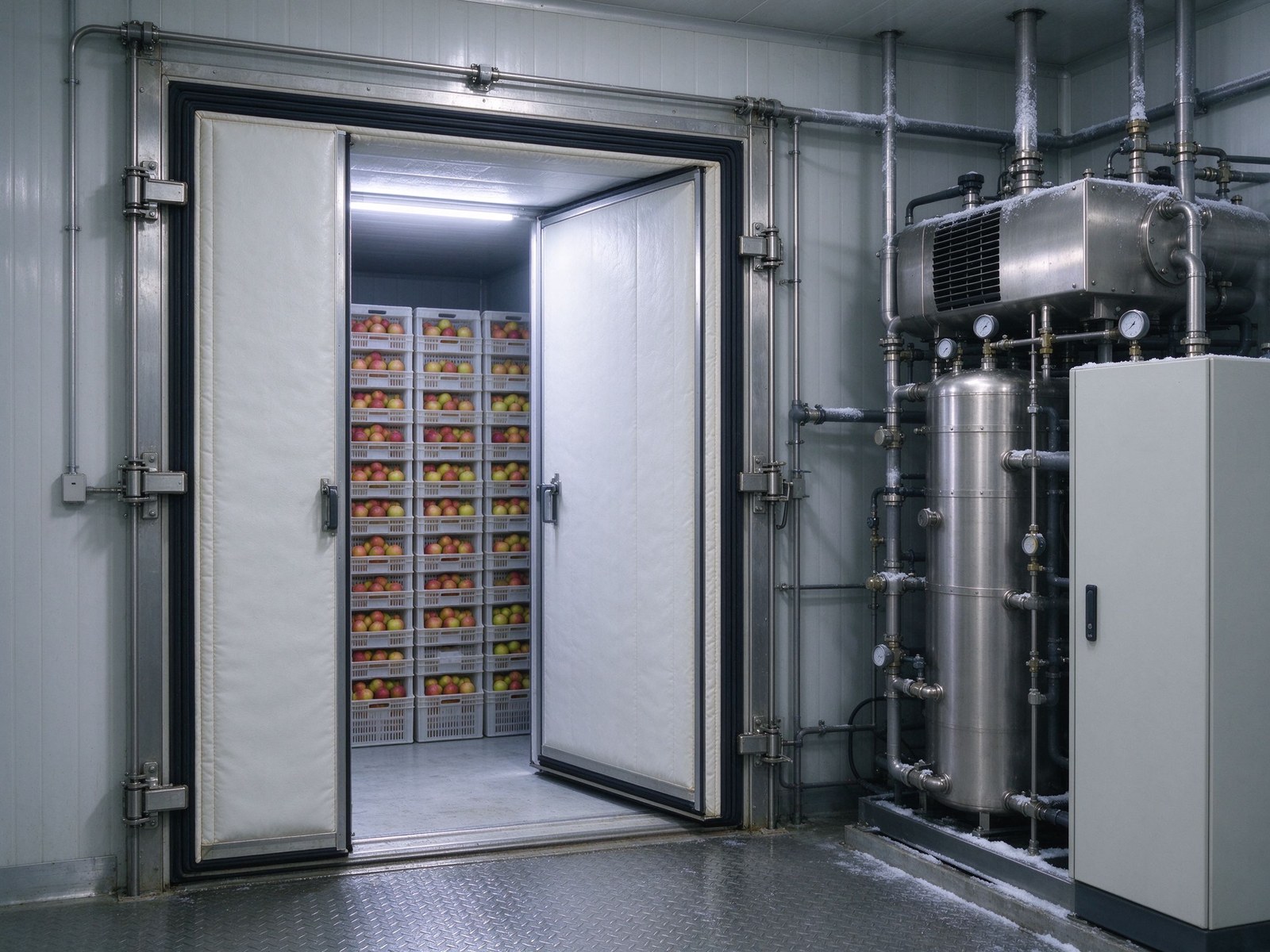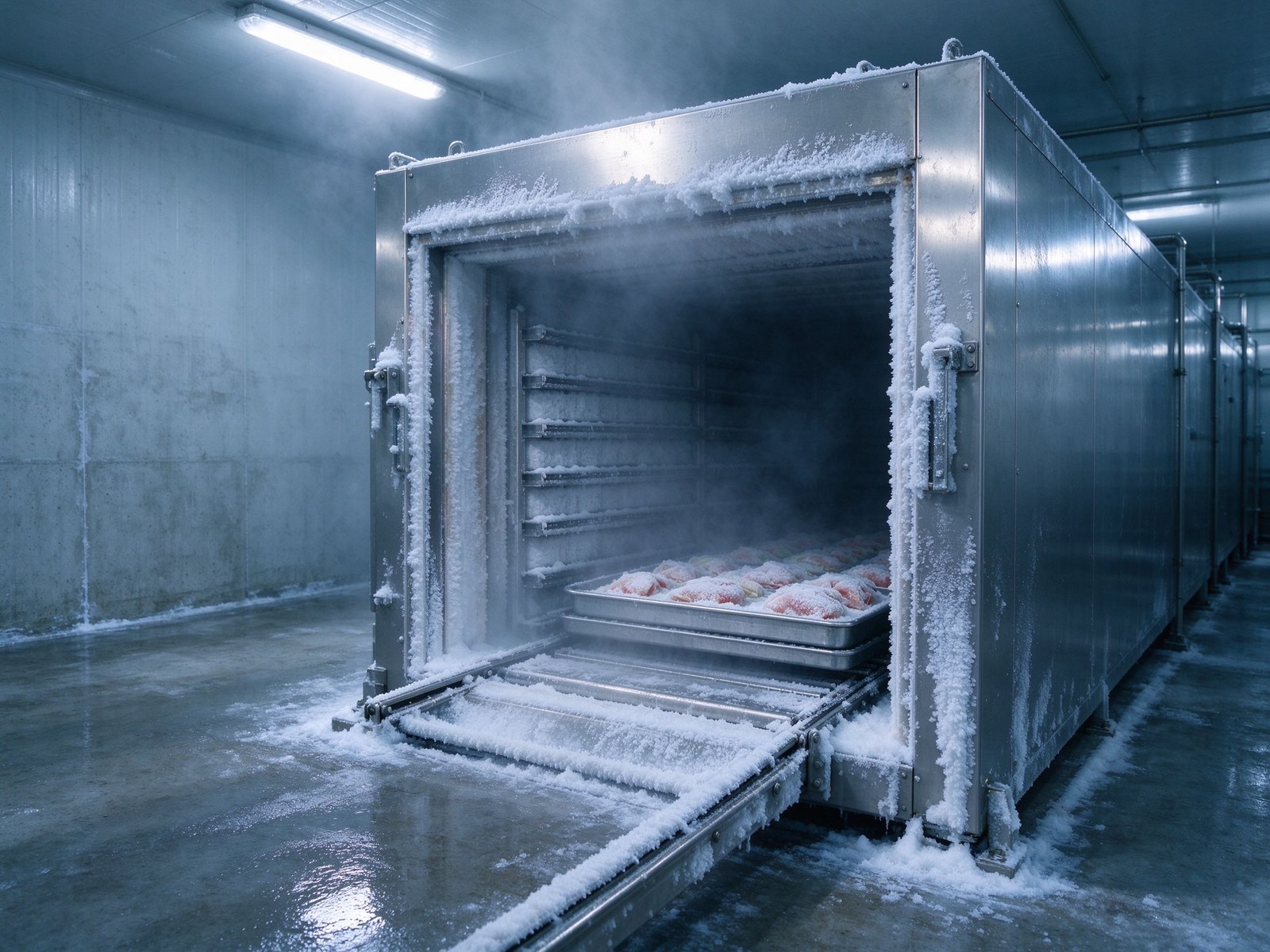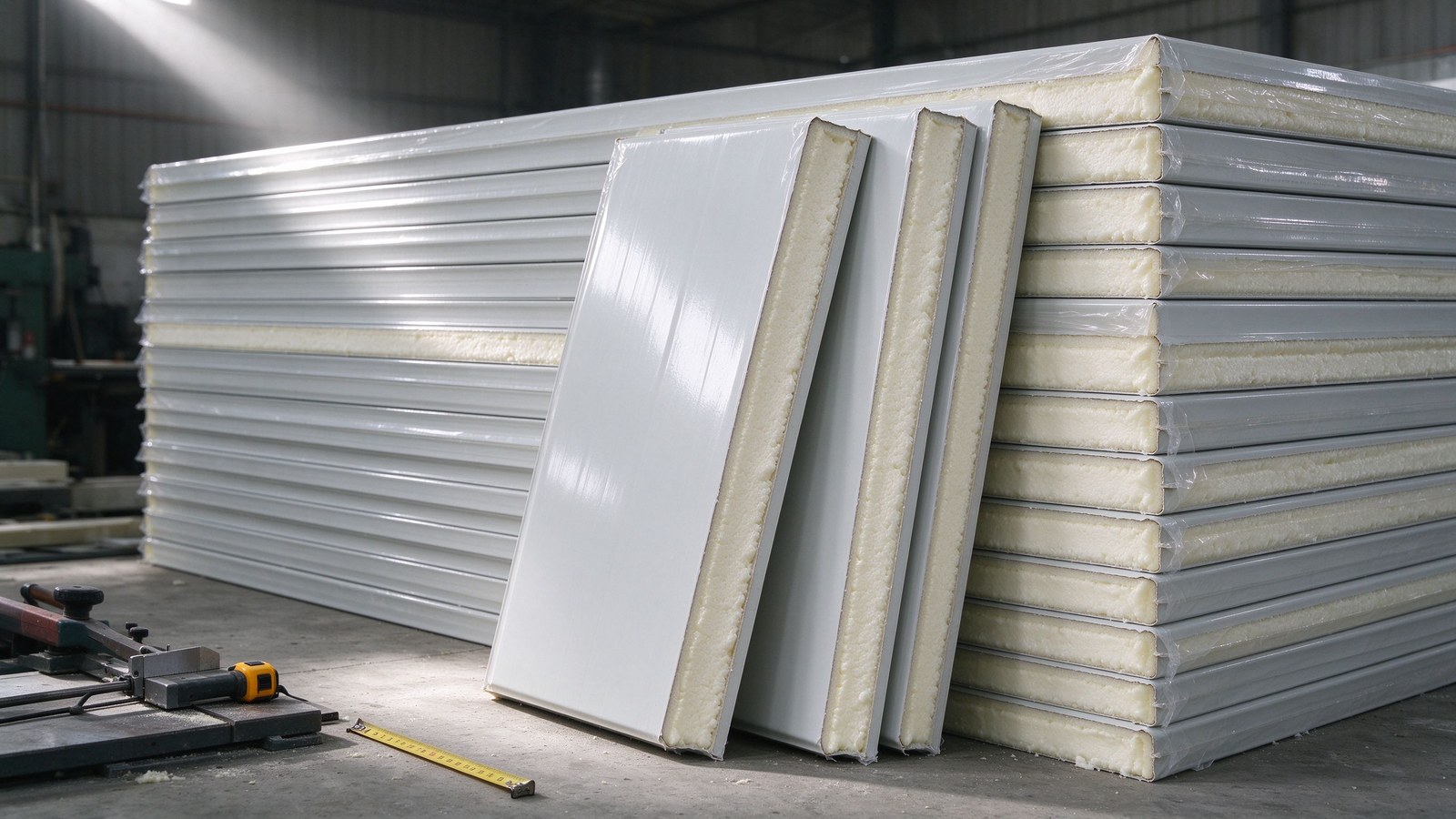
Cold room panels are the "outer shell" of a cold room and the key component that determines heat leakage and running energy costs. Many buyers focus only on unit price when comparing quotes and overlook hidden parameters such as thickness, density and fire rating, only to find condensation on walls and high electricity bills after commissioning. This article explains the core variables in cold room panel selection.
1. Why Insulated Panels Are the Core of a Cold Room
A cold room maintains low temperature essentially by continuously moving the heat that leaks through the panels back outside. The lower the thermal conductivity and the greater the panel thickness, the less heat enters and the less hard the refrigeration unit has to work. Industry data shows that each step up in insulation performance can reduce annual energy costs by 10–20%.
Common panel core materials include polyurethane (PUR), polyisocyanurate (PIR) and extruded polystyrene (XPS). Polyurethane is the mainstream choice for modular cold rooms because of its high closed-cell ratio, low thermal conductivity and the ability to be foamed in place.
2. Choose Thickness by Temperature Range
Thicker is not always better; thickness must match the room temperature. The table below shows the industry-standard recommended ranges, while actual projects are adjusted for room height, door-opening frequency and local summer extremes:
| Room Type | Temperature | Common Thickness | Reference Density |
|---|---|---|---|
| Fresh-keeping room | 0 to 5°C | 100mm | 38–40kg/m³ |
| Chilled room | -10 to -5°C | 100–120mm | 40kg/m³ |
| Freezer room | -25 to -18°C | 120–150mm | 40–42kg/m³ |
| Blast freezer | -35°C and below | 150–200mm | 42–45kg/m³ |
| Controlled-atmosphere room | 0 to 5°C | 100–120mm | 40kg/m³ |
Because a controlled-atmosphere room also withstands internal/external pressure differences, it demands higher seam airtightness; see the construction of our controlled-atmosphere room. Blast freezers operate at lower temperatures, so both panel thickness and floor insulation must be strengthened; see our blast freezer.
3. The Relationship Between Density and Thermal Conductivity
Higher density is not always better. If density is too low, cells are coarse and the closed-cell ratio is insufficient, raising thermal conductivity; if density is too high, panels become brittle and more expensive while insulation returns diminish. In engineering practice, 38–45kg/m³ is the cost-effective range.
When selecting, ask the manufacturer for a thermal conductivity test report. Quality polyurethane panels typically have a thermal conductivity of 0.022–0.024W/(m·K). Low-priced panels without test reports often cut corners on density and cell quality.
4. How to Choose the Fire Rating
Cold room panel cores are classified by flame-retardant performance into grades such as B1 and B2. B1 is a flame-retardant grade that self-extinguishes away from the source; B2 is a combustible grade that burns relatively slowly. B1 is recommended for high-occupancy food processing workshops and pharmaceutical cold rooms; ordinary industrial warehouses may use B2 where approved by the fire authority.
Note that the steel sheets themselves are non-combustible, but the core decomposes and releases smoke at high temperatures. For projects involving public evacuation, confirm grade requirements with the local fire authority at the design stage to avoid rework during acceptance.
5. Panel Pricing and Procurement Notes
Taking 100mm polyurethane panels as an example, the common industry range is roughly USD 17–31 per m², varying with steel thickness (typically 0.4–0.6mm), surface finish (plain/color-coated), eccentric-hook structure and fire rating. 150mm panels cost about 30–50% more. Figures vary significantly by manufacturer, region and order volume and are for reference only.
Procurement advice: first, price by expanded area rather than accepting a vague "all-in per m²" rate; second, confirm whether corner aluminum, door reinforcement plates and transition plates are included; third, clarify who handles transport and unloading; fourth, agree on replacement terms for damage. More categories can be found in our cold room panel category.
6. Seams and Doors Are the Main Heat-Leakage Zones
Even the thickest panels leak heat if seams are poorly sealed. During installation, eccentric hooks must be fully engaged, seams sealed with neutral silicone, and corners wrapped with aluminum profiles; heating cables are embedded around door frames to prevent icing, and thermal breaks are installed at floor-wall junctions to avoid cold bridges.
Fresh-keeping and freezer rooms differ markedly in panel requirements; understand this in controlled-atmosphere vs. fresh-keeping rooms. For the share of panels in total cost, see how much a cold room costs. For fruit fresh-keeping projects refer to our fruit fresh-keeping room, and for low-temperature freezing see our freezer room.
7. Transport and On-site Storage of Panels
Cold room panels are large, thin materials that deform easily if transported or stored incorrectly. Standard practice is to store them upright, separate panels with soft spacers, and cover the top against rain. The on-site stacking area must be flat to avoid point-loading and warping. Use dedicated suction cups or soft slings for loading and unloading; never use wire rope directly against panels.
On delivery, check panel length, width, thickness and color against the order, and inspect whether the core end faces are dense. If steel scratches, loose foaming or missing eccentric hooks are found, take photos and note them on the receipt to avoid disputes after installation.
The seams of modular cold rooms undergo constant temperature cycling, and silicone sealant ages over the years. Standard practice is to inspect and re-seal seams every three to five years, focusing on doors, corners and the lower edges of ceiling panels where stress concentrates. This maintenance is low-cost but extends the life of the room body.
Different temperature ranges also impose different requirements on panel outer surfaces. Color-coated steel with better rust resistance is recommended in humid regions; the inner surfaces of food processing rooms should use flat, easy-to-clean panels rather than corrugated surfaces that trap dirt. These details are easily overlooked at the price-comparison stage but directly affect long-term use.
FAQ
What panel thickness should I choose for fresh-keeping and freezer rooms?
0–5°C fresh-keeping rooms commonly use 100mm panels; -18°C freezer rooms use 120–150mm; low-temperature rooms or blast freezers below -25°C should use 150–200mm. Thickness is based on the internal/external temperature difference: the greater the difference, the thicker the panel. Too thin causes heat leakage and condensation; too thick raises cost and footprint.
What core density is suitable for polyurethane panels?
The common industry density is 38–45kg/m³. Too low a density reduces insulation and load-bearing performance; too high makes panels brittle and costly. Buyers can request a density test report. Density and thermal conductivity together determine insulation performance, so thickness alone is not enough.
How should I choose the fire rating of cold room panels?
Public buildings and high-occupancy premises should use B1 flame-retardant cores; ordinary industrial warehouses may use B2. Food processing and pharmaceutical cold chain projects also need to consider smoke density and toxicity indicators. Higher fire ratings raise unit price, so choose according to local fire acceptance requirements.
What is the approximate price range of cold room panels per m²?
Taking 100mm polyurethane panels as an example, the common range is roughly USD 17–31 per m², varying with thickness, density, steel thickness and fire rating. 150mm panels cost about 30–50% more. Figures vary by manufacturer, region and volume and are for reference only; actual prices are subject to quotation.
Should panels be joined with eccentric hooks or screws?
Modular cold rooms mainly use hidden eccentric-hook joints with sealant in seams, which look clean and resist heat leakage. Exposed screws are more common in temporary or retrofit projects, and screw holes are prone to condensation penetration over time. New projects should prioritize eccentric-hook structures.
What should owners inspect on panel delivery?
Check steel surfaces for scratches, whether the core is dense and uniform, whether edge cuts are neat, whether eccentric hooks are complete, and whether test reports and certificates are provided. Panels should be stored upright on arrival to avoid deformation under flat stacking, and color and thickness should match the sealed sample before installation.
Frequently Asked Questions
What panel thickness should I choose for fresh-keeping and freezer rooms?
0–5°C fresh-keeping rooms commonly use 100mm panels; -18°C freezer rooms use 120–150mm; low-temperature rooms or blast freezers below -25°C should use 150–200mm. Thickness is based on the internal/external temperature difference: the greater the difference, the thicker the panel. Too thin causes heat leakage and condensation; too thick raises cost and footprint.
What core density is suitable for polyurethane panels?
The common industry density is 38–45kg/m³. Too low a density reduces insulation and load-bearing performance; too high makes panels brittle and costly. Buyers can request a density test report. Density and thermal conductivity together determine insulation performance, so thickness alone is not enough.
How should I choose the fire rating of cold room panels?
Public buildings and high-occupancy premises should use B1 flame-retardant cores; ordinary industrial warehouses may use B2. Food processing and pharmaceutical cold chain projects also need to consider smoke density and toxicity indicators. Higher fire ratings raise unit price, so choose according to local fire acceptance requirements.
What is the approximate price range of cold room panels per m²?
Taking 100mm polyurethane panels as an example, the common range is roughly USD 17–31 per m², varying with thickness, density, steel thickness and fire rating. 150mm panels cost about 30–50% more. Figures vary by manufacturer, region and volume and are for reference only; actual prices are subject to quotation.
Should panels be joined with eccentric hooks or screws?
Modular cold rooms mainly use hidden eccentric-hook joints with sealant in seams, which look clean and resist heat leakage. Exposed screws are more common in temporary or retrofit projects, and screw holes are prone to condensation penetration over time. New projects should prioritize eccentric-hook structures.
What should owners inspect on panel delivery?
Check steel surfaces for scratches, whether the core is dense and uniform, whether edge cuts are neat, whether eccentric hooks are complete, and whether test reports and certificates are provided. Panels should be stored upright on arrival to avoid deformation under flat stacking, and color and thickness should match the sealed sample before installation.