Many owners launching a cold chain project first ask: how much does a cold room cost? In fact, cold room cost is not a fixed per-m² number; like constructing a building, it varies clearly with use, temperature, structure and equipment configuration. This article explains the key variables affecting cost so owners can build a reasonable budget range.
1. Main Components of Cold Room Cost
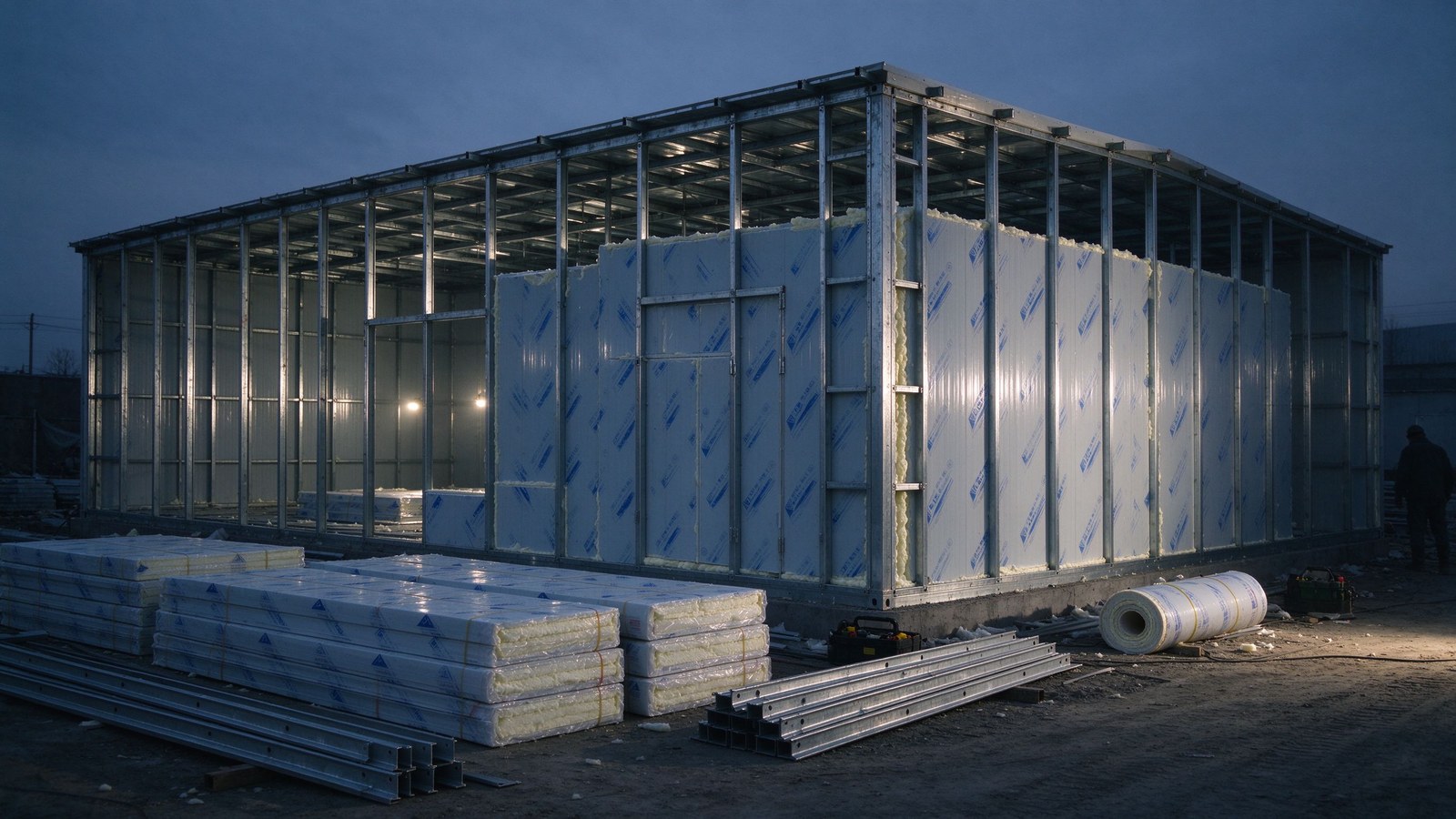
A complete cold room project usually consists of five parts: insulated room body, refrigeration units, terminal heat-exchange equipment, electrical control system, and installation materials. The room body includes panels, doors, floor insulation and sealing; units include compressors, condensers and oil separators; terminals are indoor air coolers or coil rows; electrical controls handle start/stop, temperature recording and protection.
In practice, units and panels together account for 60–70% of total cost and are the main budget items. The remainder covers installation labor, copper pipes and insulation, cables and lighting, transport and lifting, plus floor and fire treatment. Small projects have a slightly higher labor and materials share, while large logistics warehouses usually have lower unit cost through scale.
| Cost Module | Main Content | Reference Share |
|---|---|---|
| Insulated room body | PU panels, doors, floor insulation, sealing | 30–40% |
| Refrigeration units | Compressor, condenser, oil separator, receiver | 25–35% |
| Terminals & controls | Air coolers, distribution box, sensors, alarms | 10–15% |
| Installation & materials | Copper pipes, insulation, cables, lifting labor | 10–15% |
| Transport & other | Freight, floor/fire treatment, taxes | 5–10% |
2. Per-m² Cost Ranges by Room Type
By temperature, common fresh-keeping, chilled, freezer and blast freezer rooms require progressively higher insulation and refrigeration, so unit cost rises. The rough industry ranges below are for budgeting only:
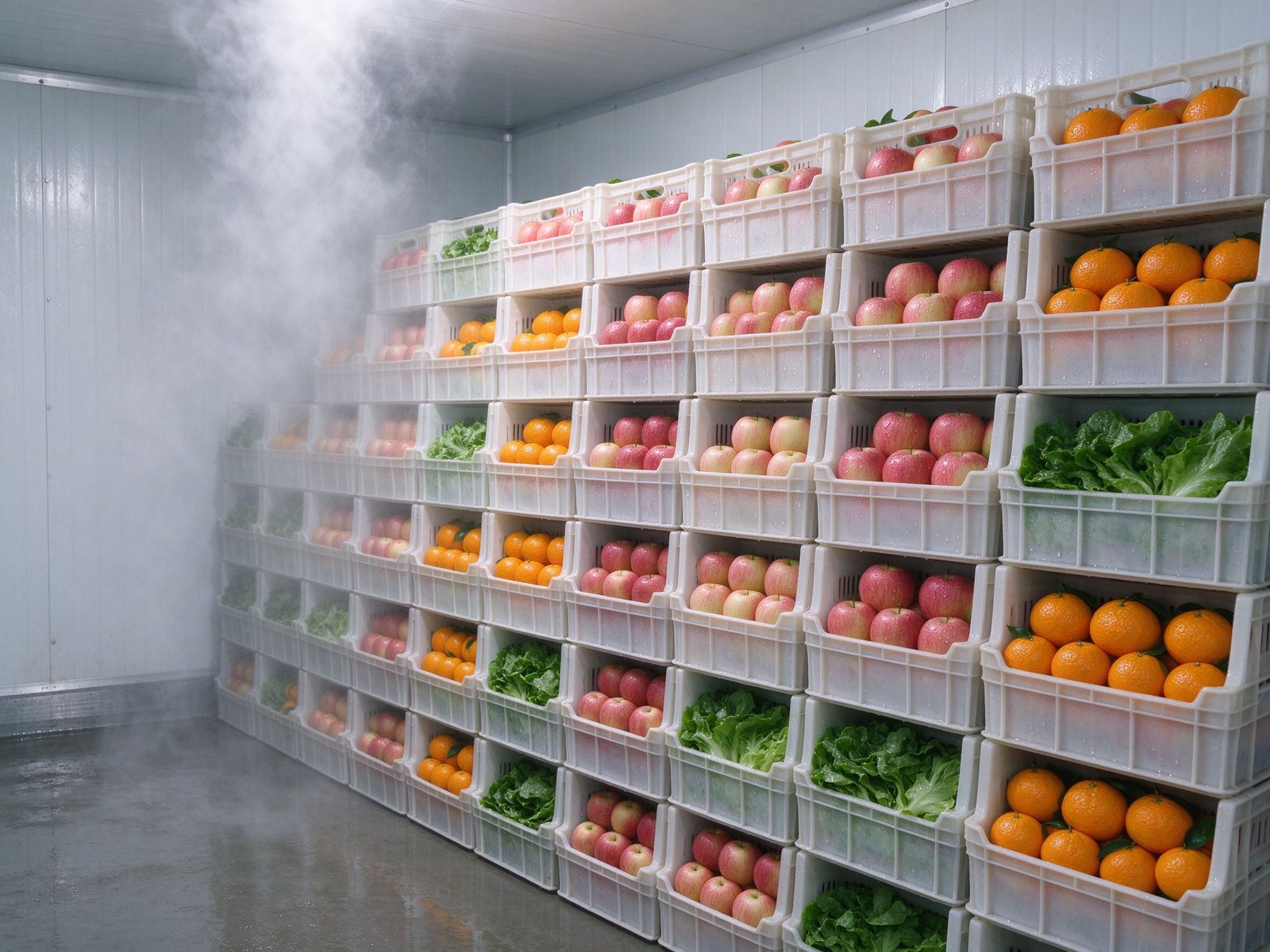
- High-temperature fresh-keeping room (0–5°C): about USD 110–210 per m², for fruit, vegetables and flowers.
- Medium-temperature chilled room (-10 to -5°C): about USD 165–280 per m², for dairy and short-term meat.
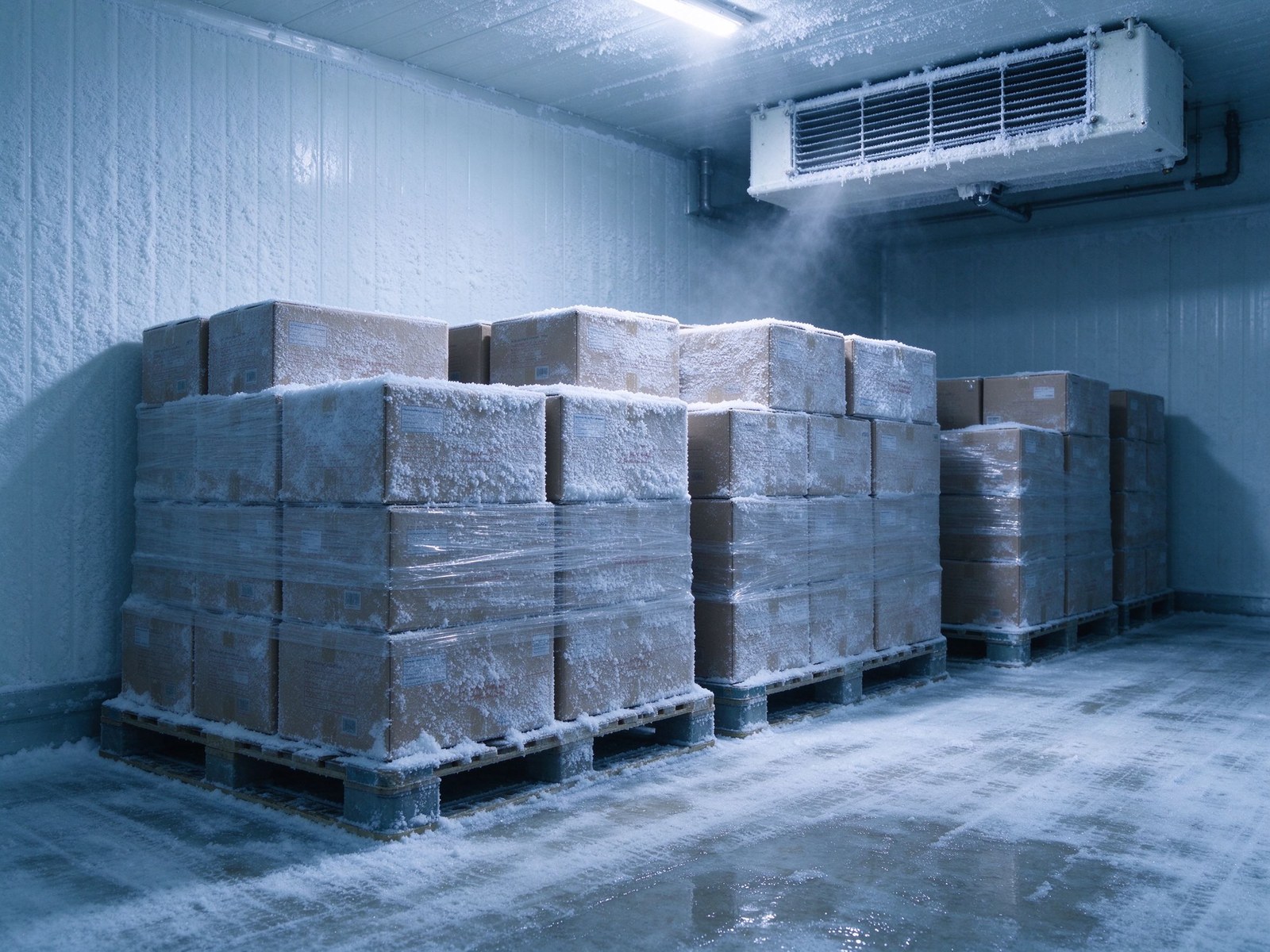
- Low-temperature freezer room (-25 to -18°C): about USD 210–350 per m², for frozen meat and seafood.
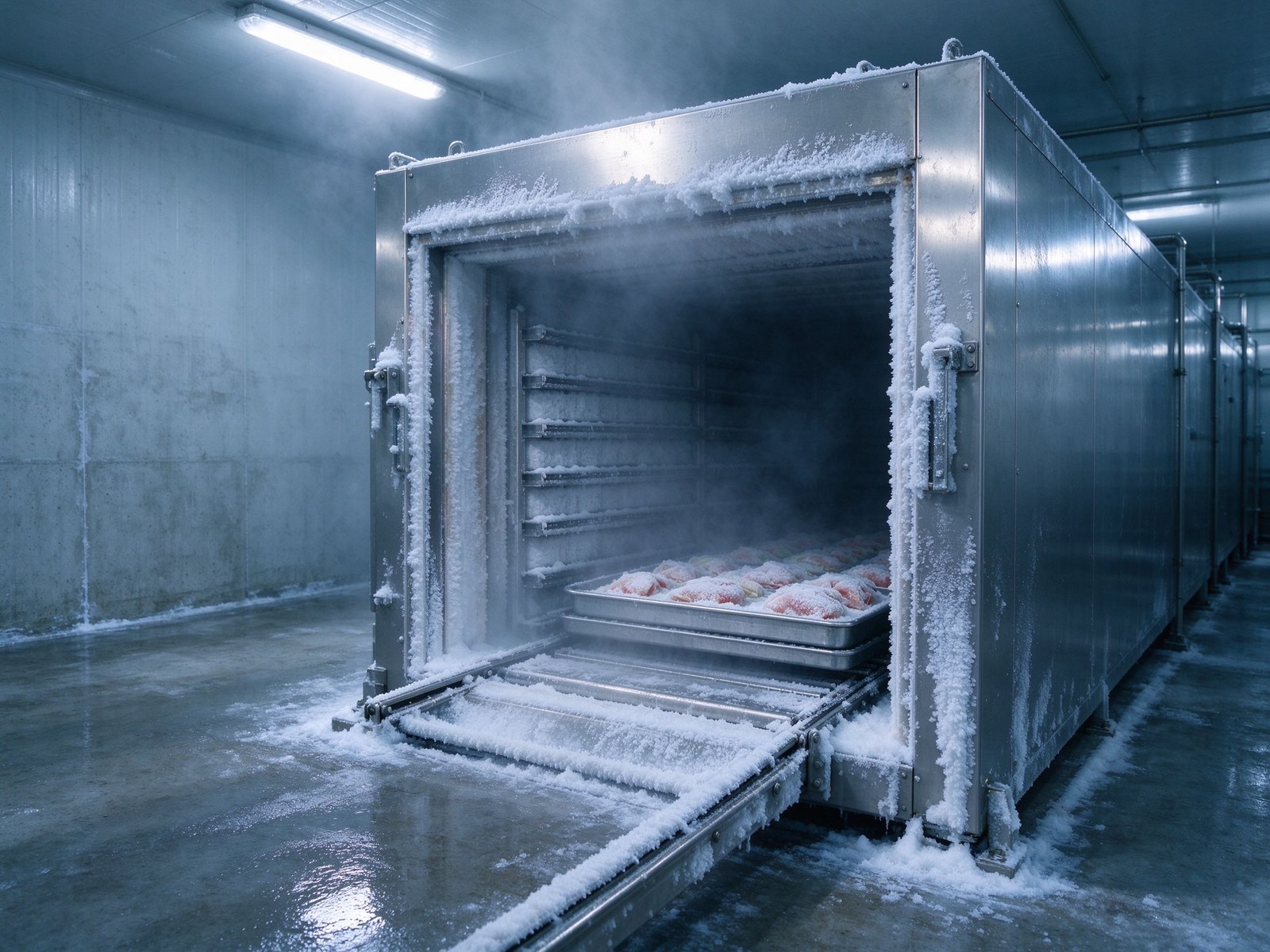
- Blast freezer (-35°C and below): about USD 350–560 per m², requiring high-air-volume evaporators.
These ranges vary by region, room type and configuration. Imported units, thicker panels, dual-circuit redundancy and automated cold chain integration all raise the total.
3. How Much Does a 100m² Cold Room Cost?
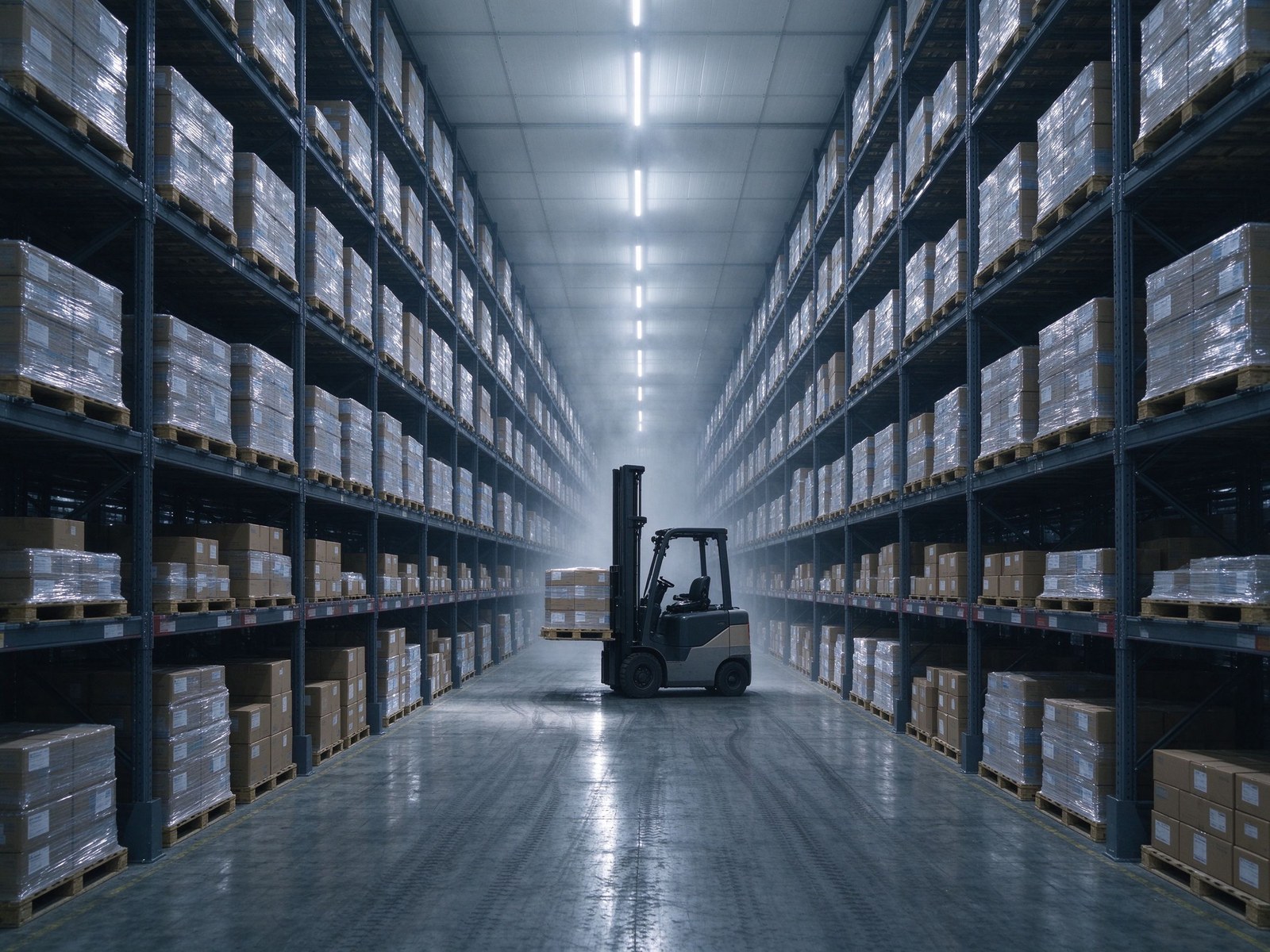
100m² is a common size for medium supermarkets, central kitchens and agricultural cooperatives. Assuming a 2.5m height and about 250m³ internal volume:
- A 0–5°C fruit fresh-keeping room: roughly USD 11,000–25,000;
- A -18°C freezer room: roughly USD 16,500–30,500;
- Upgrading to a controlled-atmosphere room with nitrogen generation, CO₂ scrubbing and humidification adds significantly to the budget.
The smaller the area, the higher the unit cost usually is, because units and controls have a starting cost that does not fall linearly with area.
4. Four Key Variables Affecting Cost
First is temperature: the lower the range, the thicker the panels and the greater the unit capacity margin, raising cost. Second is structure: site-assembled modular rooms have shorter timelines and flexible unit prices, while built-in rooms have advantages in large-span projects. Third is equipment brand: domestic cost-effective solutions and imported units can differ by 30% or more. Fourth is the level of supporting equipment: docks, air curtains, rapid roll-up doors, remote monitoring and fire integration all change the final bill.
When budgeting, first determine use and temperature, then discuss brand and supporting equipment. For temperature differences across room types, see CA vs. fresh-keeping rooms; for panel thickness, see cold room panel thickness and density.
5. How to Avoid Budget Inflation from Later Add-ons
Common add-ons come from three areas: inadequate site survey leading to unexpected floor treatment; insufficient power capacity requiring an upgrade; and later changes to door quantity and position. At the contract stage, write down panel thickness and core density, compressor brand and horsepower, air cooler and condenser models, electrical protection scope, whether transport and installation include tax, and the warranty period.
When unsure about selection, first use the online selection tool for an initial calculation, then check each item with the contractor. For large logistics projects, refer to the configuration of our large logistics warehouse; for fruit preservation, see our fruit fresh-keeping room.
6. Count Operating Costs in the Long-term Account
The cold room purchase is a one-time investment, while energy is the long-term bill. Thicker insulation, well-matched units, good door seals and night off-peak cooling all reduce electricity. In practice, whether panel density and thickness match the temperature range can affect annual energy cost by over 20%. For freezer rooms refer to the standard configuration of our freezer room, and for blast freezing see our blast freezer. For construction stages and scheduling, continue reading the cold room construction process.
FAQ
What is the budget for a 100m² fresh-keeping room?
The common range is about USD 11,000–25,000, depending on temperature requirements, panel thickness, unit brand and installation conditions. Most projects using polyurethane panels, air-cooled units and standard doors fall in the middle; imported units, double air curtains or lower-temperature extension raise the budget. Figures vary by region and configuration and are for reference; actual prices are based on site survey and design quotation.
Why does per-m² cold room cost vary so much?
The main differences come from four areas: temperature, since fresh-keeping and freezer rooms differ in panel thickness and unit configuration; structure, since built-in and modular rooms have different unit prices; equipment brand, with clear gaps between domestic and imported units; and supporting equipment, the amount of electrical, condenser, fire and floor attachments. So the same area can be quoted at more than double.
Which part has the highest share of cold room cost?
In practice, refrigeration units and panels together usually account for 60–70% of total cost. Units include compressors, condensers, air coolers and piping/controls; panels include wall, ceiling and floor panels plus doors. The remainder covers installation labor, materials, transport, electrical and fire/floor treatment. Small projects have a slightly higher labor and materials share.
What are the annual running electricity costs for a 100m² cold room?
Estimated for a 0–5°C fresh-keeping room with about 20 door openings a day, a 100m² room uses about 30–60 kWh a day, with annual electricity of roughly USD 420–2,800 depending on local tariffs. Freezer rooms below -18°C use about 1.5–2 times as much. Thicker insulation, well-matched units and night cooling significantly cut operating costs.
What information should owners prepare before building?
Clarify in advance the types of stored goods and inlet temperature, daily throughput, required temperature and humidity, footprint and height, on-site power capacity, whether a civil floor is needed, and local electrical and fire requirements. These directly determine selection direction and budget range and help the contractor provide a realistic quotation.
Which items should be checked when comparing contractor quotes?
Check panel thickness and core density, compressor brand and horsepower, air cooler and condenser models, whether controls include phase-sequence protection and temperature recording, door type and quantity, piping and insulation scope, transport and installation fees, and warranty period. Avoid comparing only totals; compare item by item by configuration to prevent later add-ons.
Frequently Asked Questions
What is the budget for a 100m² fresh-keeping room?
The common range is about USD 11,000–25,000, depending on temperature requirements, panel thickness, unit brand and installation conditions. Most projects using polyurethane panels, air-cooled units and standard doors fall in the middle; imported units, double air curtains or lower-temperature extension raise the budget. Figures vary by region and configuration and are for reference; actual prices are based on site survey and design quotation.
Why does per-m² cold room cost vary so much?
The main differences come from four areas: temperature, since fresh-keeping and freezer rooms differ in panel thickness and unit configuration; structure, since built-in and modular rooms have different unit prices; equipment brand, with clear gaps between domestic and imported units; and supporting equipment, the amount of electrical, condenser, fire and floor attachments. So the same area can be quoted at more than double.
Which part has the highest share of cold room cost?
In practice, refrigeration units and panels together usually account for 60–70% of total cost. Units include compressors, condensers, air coolers and piping/controls; panels include wall, ceiling and floor panels plus doors. The remainder covers installation labor, materials, transport, electrical and fire/floor treatment. Small projects have a slightly higher labor and materials share.
What are the annual running electricity costs for a 100m² cold room?
Estimated for a 0–5°C fresh-keeping room with about 20 door openings a day, a 100m² room uses about 30–60 kWh a day, with annual electricity of roughly USD 420–2,800 depending on local tariffs. Freezer rooms below -18°C use about 1.5–2 times as much. Thicker insulation, well-matched units and night cooling significantly cut operating costs.
What information should owners prepare before building?
Clarify in advance the types of stored goods and inlet temperature, daily throughput, required temperature and humidity, footprint and height, on-site power capacity, whether a civil floor is needed, and local electrical and fire requirements. These directly determine selection direction and budget range and help the contractor provide a realistic quotation.
Which items should be checked when comparing contractor quotes?
Check panel thickness and core density, compressor brand and horsepower, air cooler and condenser models, whether controls include phase-sequence protection and temperature recording, door type and quantity, piping and insulation scope, transport and installation fees, and warranty period. Avoid comparing only totals; compare item by item by configuration to prevent later add-ons.