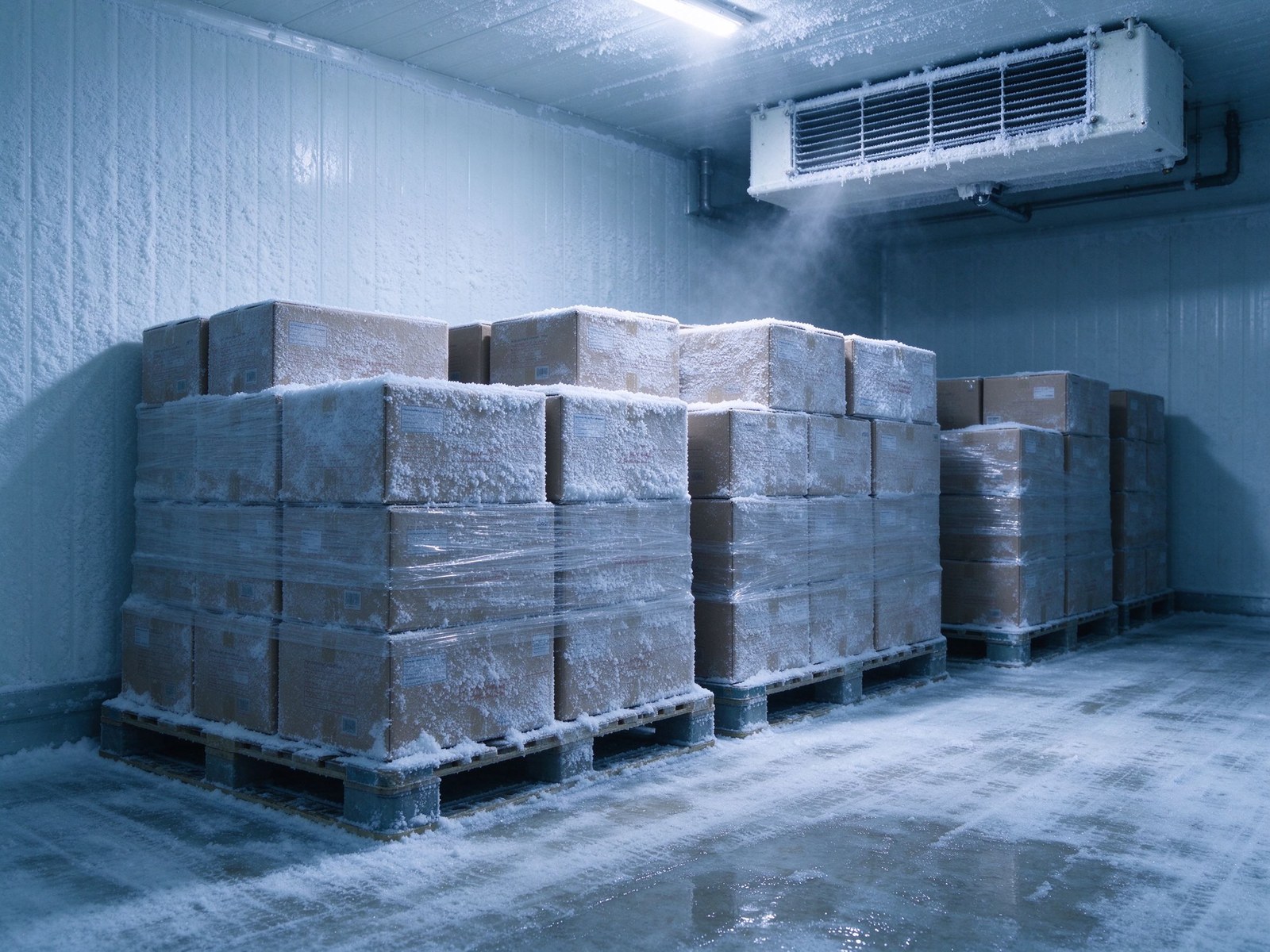
Halal cold storage is a cold room or cold store run so that halal food stays physically separated from non-halal goods, at a controlled temperature, with cleaning and record keeping a halal certifier can inspect. The refrigeration side is ordinary cold room engineering. What changes is the layout, the surfaces, the separation rules and the paperwork.
That gap matters more than most first-time buyers expect. A frozen room that stores halal chicken on the same racking used for pork cuts, or a processing hall where one floor drain serves both lines, can fail a halal audit even when the temperature log is perfect. In the Gulf and in Southeast Asia, where halal food is the default rather than a niche line, this is part of normal warehouse design, not an extra.
What Makes a Cold Room Halal-Ready
Four things decide whether a cold store supports a halal process:
- Separation. Halal and non-halal goods do not share rooms, racking, pallets, crates or vehicles. If a room has to handle both, it needs a physical split and a written cleaning routine between runs.
- No shared contamination path. Shared drains, shared wash water, shared knives and shared tubs are the usual failure points. Pork and alcohol are the two categories audits look at first.
- Cleanable surfaces. Floors, walls, door frames and thresholds have to survive washdown without absorbing liquid or rusting at the joints.
- Records. Temperature history, cleaning logs, supplier halal certificates, and the chain from receiving to dispatch.
None of this requires special refrigeration equipment. It requires the room to be laid out so cleaning and separation are easy to do every day, not just on audit day.
Storage Temperatures by Product
Halal rules govern what may be eaten. Temperature rules govern how long it keeps. A halal store still has to hit the same cold chain targets as any other store:
| Product | Storage temperature | Notes |
|---|---|---|
| Chilled meat and poultry | 0 to +4 °C | Short holding. Door discipline decides shelf life. |
| Chilled dairy and ready meals | +2 to +6 °C | Keep away from raw meat zones. |
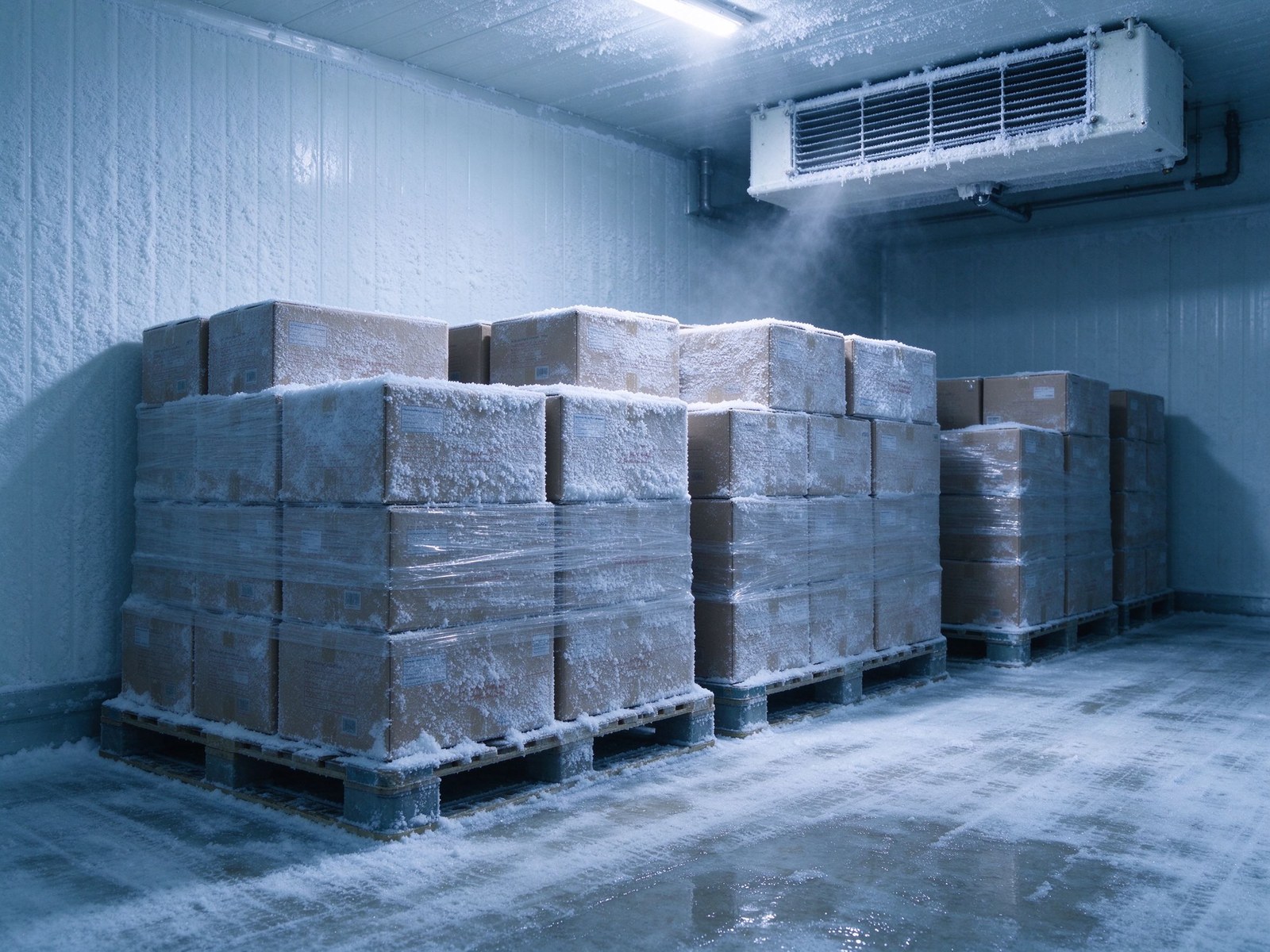
| Frozen meat, poultry and frozen food | -18 °C or colder | The usual contract temperature for long storage. |
| Ice cream and some prepared foods | -20 °C or colder | Needs tighter defrost control and stable air. |
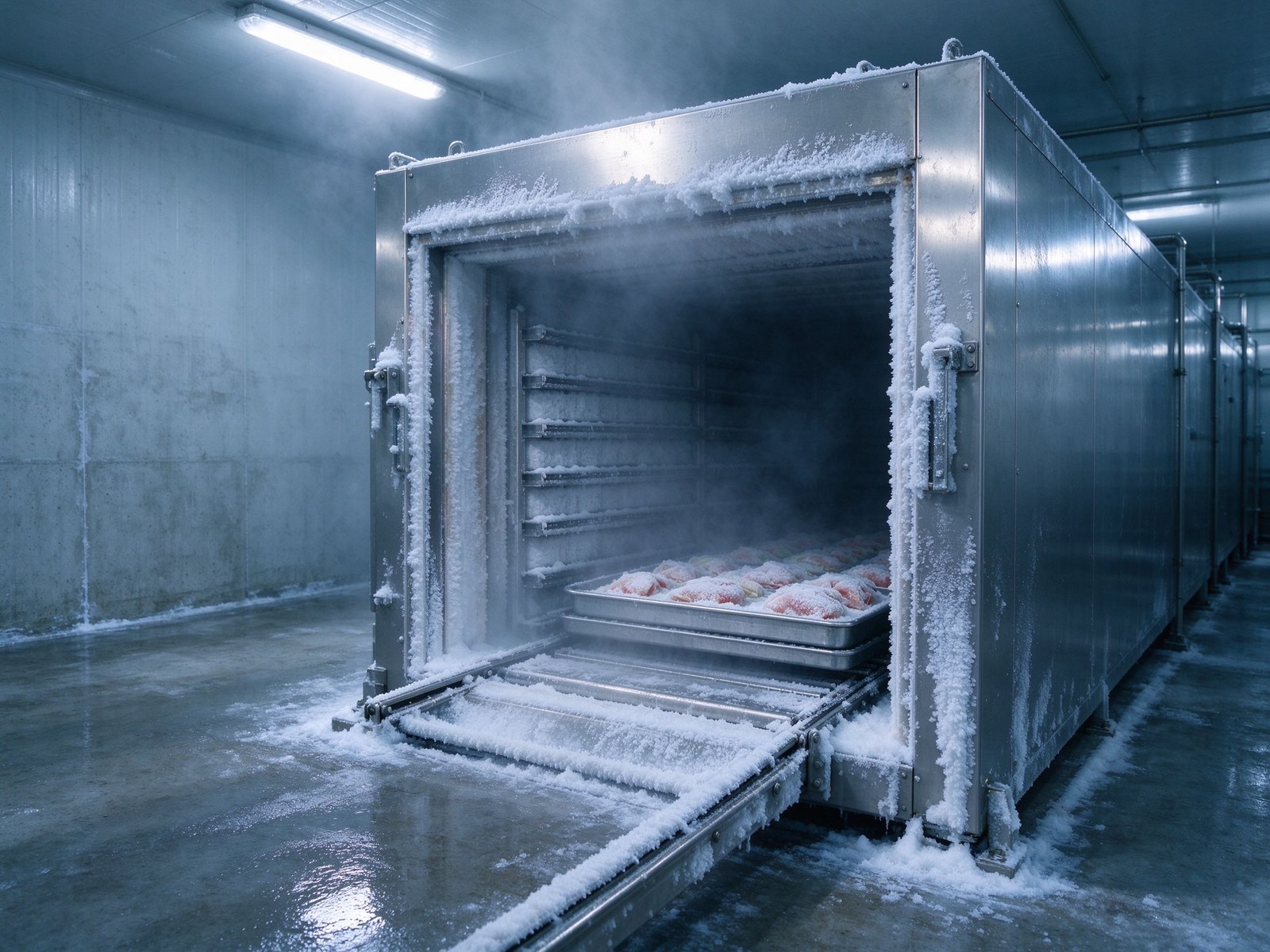
| Blast freezing (air temperature) | -35 to -40 °C | Core temperature target depends on product and market rule. |
These are storage targets, not thermostat settings. A room set to -18 °C will cycle a few degrees either side of that, and product temperature is what the auditor and the buyer care about. If you need a fixed number in a contract, say so before the unit is selected, because it changes evaporator surface, defrost type and compressor capacity.
Design Choices That Hold Up in an Audit
Panels and wall finish
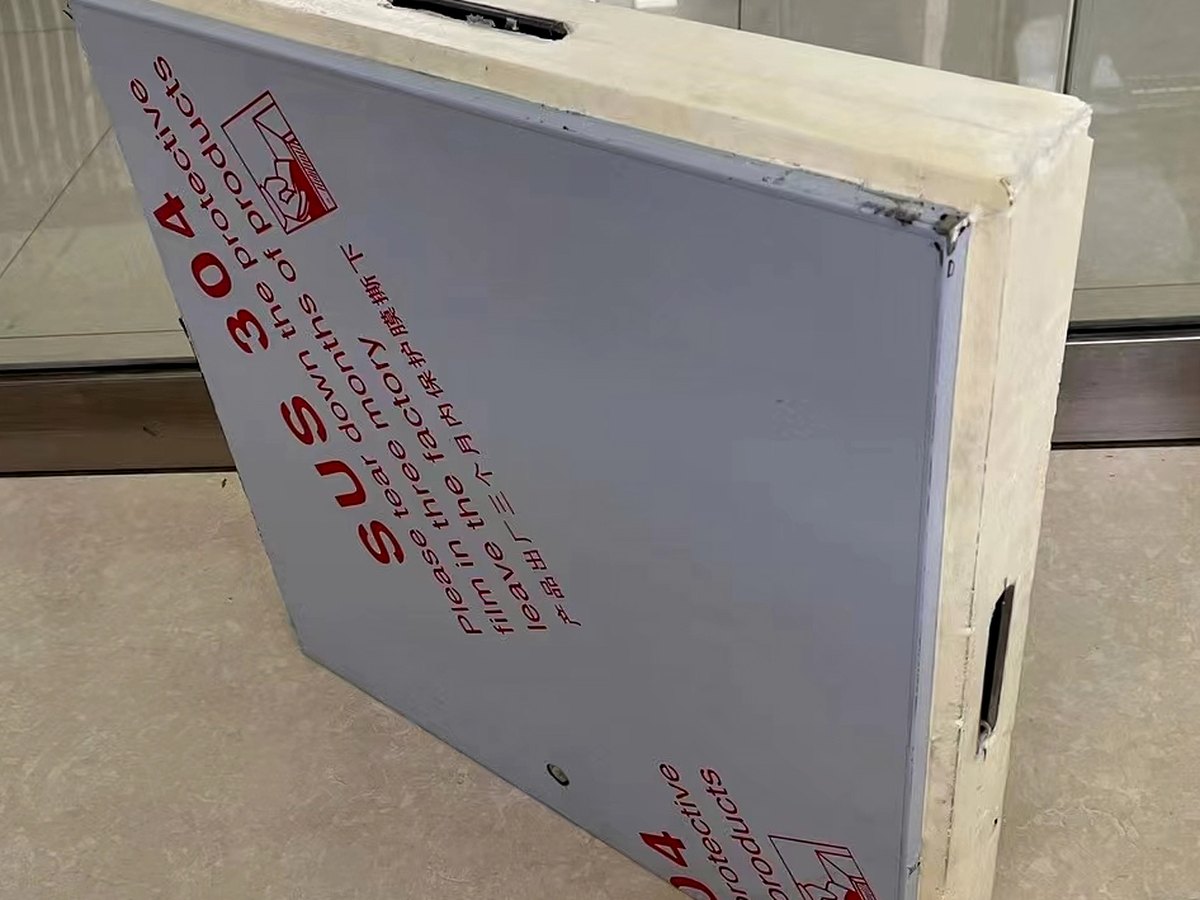
Use stainless steel PU sandwich panels in rooms that get washed down, and pre-coated steel panels in sealed dry storage where nobody hoses the walls. What matters is the joint: panels must sit tight, with sealed corners and no gap where water can sit. A cheap panel installed badly fails faster than a mid-range panel installed well.
Doors and thresholds
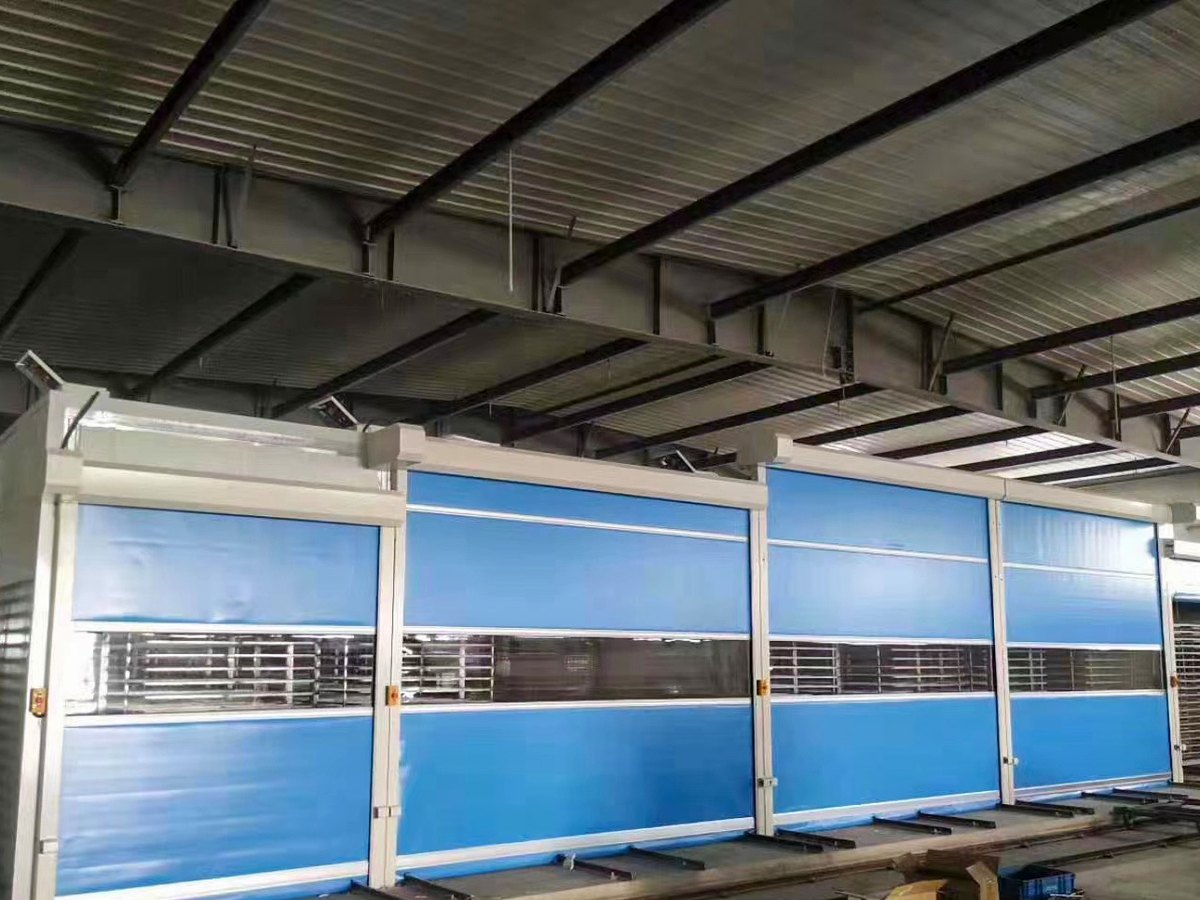
Halal zones need doors that close fully and stay closed. Sliding doors for pallet traffic, high-speed roll-up doors for busy processing lines, and sealed thresholds so wash water does not run from one zone into another. Where two zones sit side by side, give each its own door rather than one shared opening.
Drainage
Separate floor drains per zone. Slope the floor to the drain, trap and screen it, and keep the drain line away from the other zone. A single shared drain undoes a good separation plan in one washdown.
Defrost water
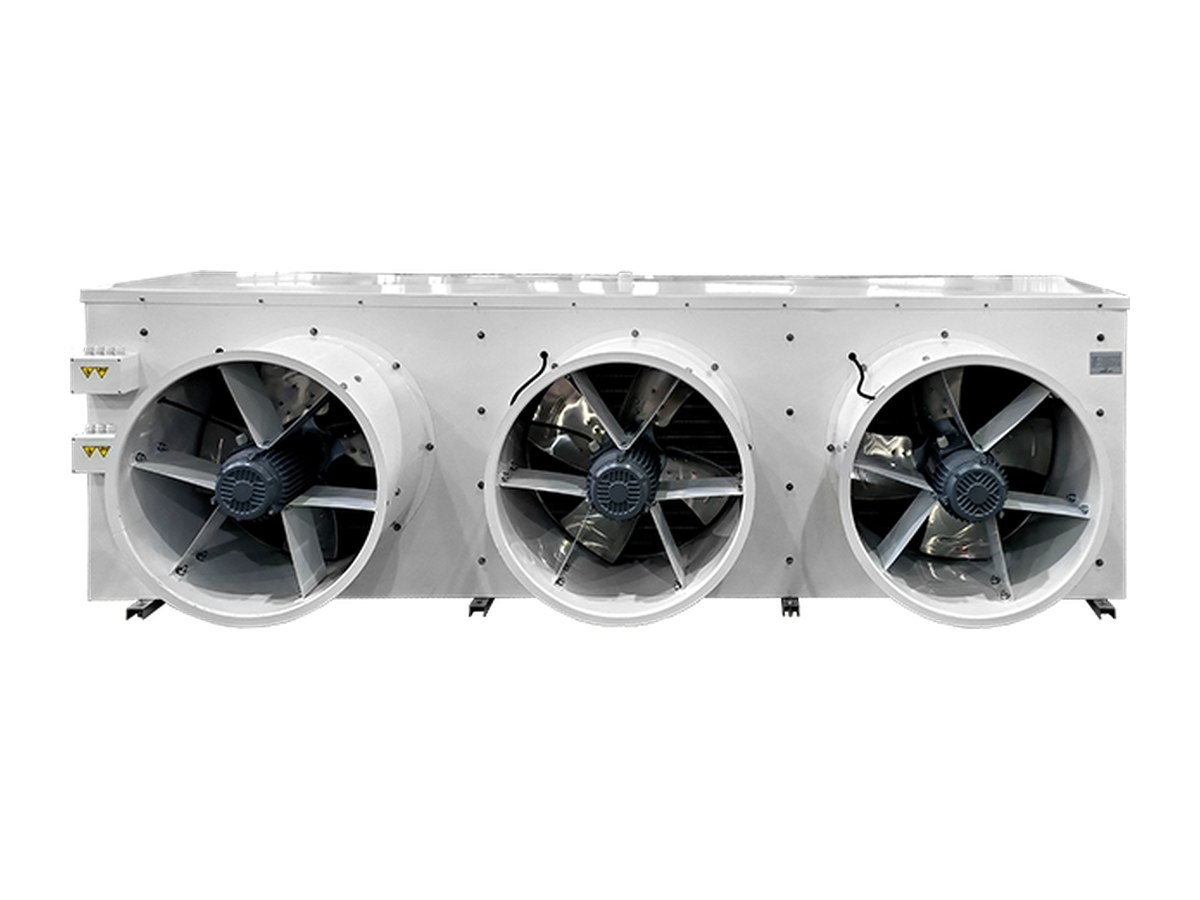
Electric defrost evaporators are the usual choice for frozen rooms. Route defrost water to a drain outside the product area, not onto the floor under the racks. In a halal room this is also a hygiene point, since standing water is where contamination starts.
Controls and records
A control panel with temperature logging, high and low alarms and a way to export the data. Auditors ask for history, not for a promise. If your buyer's certification body wants daily records, plan the logging before the panel is built, not after.
Regional Rules to Check Before You Ship
Halal requirements are set by the importing country, not by the equipment supplier. The short version for the main markets:
- Saudi Arabia. Imported meat and poultry need a halal slaughter certificate from a body recognised by SFDA. The certificate covers the slaughter and the processing plant, and the cold store has to keep that chain intact.
- United Arab Emirates. The UAE runs its own halal certification scheme under MOIAT, with certification bodies accredited to issue certificates used for imports and local sale.
- Indonesia. Halal certification for food and beverage is administered by BPJPH under Law No. 33/2014, with the mandatory phase starting in October 2019. Imported products need a certificate recognised by BPJPH.
- Malaysia. JAKIM issues the Malaysian halal certificate and recognises a list of foreign certifying bodies. Importers usually ask for a certificate from one of those bodies.
Rules change, and they differ by product category, so confirm the current requirement with your importer or the local authority before the container leaves. No cold room design can fix a certificate problem.
What a well-built room does is keep the certificate valid through the chain: product stays in its zone, surfaces stay cleanable, and the temperature history backs the claim.
Why Gulf and Tropical Projects Are Built Differently
The same halal requirement lands in very different climates.
Gulf projects. Summer ambient around 45 to 50 °C changes the selection. Air cooled condensers need headroom for high ambient, and a unit sized for a European summer will run hot and short-cycle in Riyadh or Dubai. Panel thickness, door seals and dock shelters matter more, because every opening lets in a wall of hot humid air. Load the dock with a shelter and a seal, and keep the door opening time short.
Southeast Asia. High humidity is the problem, not peak heat. Warm moist air entering the room condenses on cold surfaces, so floors get wet, panels sweat and defrost cycles run more often. Door discipline, air curtains and a defrost schedule that suits the actual traffic do more for the room than a bigger compressor.
Where Halal Cold Storage Is Used
- Meat and poultry processing plants, from receiving through blast freezing to dispatch
- Dairy and ready-meal production
- Import and export cold stores at ports and inland container depots
- Frozen food distribution centres serving retail and food service
- Retail and restaurant chain distribution, where separate zones keep halal and non-halal stock apart
Project size ranges from a single 20 cubic metre room behind a butcher shop to a multi-temperature logistics warehouse with dock levellers and separate halal and non-halal chambers. The design logic is the same at both ends.
What We Need to Quote a Halal Cold Store
Send these and the proposal gets specific instead of generic:
- Product types and whether halal and non-halal share the site
- Daily throughput and how long stock stays in the room
- Required product temperature, and any contract temperature
- Room dimensions, or a sketch, and the site's power supply
- Incoming goods temperature (chilled, frozen or ambient)
- The destination market and any certificate the buyer must hold
- Dock arrangement: how many doors, what vehicles, how often
ANCOLD is an engineering and supply company working with a network of vetted manufacturers. We size the room and the refrigeration unit around the duty you actually have, select equipment across brands, and send trusted installation teams to site, including overseas commissioning. If a figure is not confirmed for your project, we say so and mark it to be confirmed rather than filling the gap with a number.
If you are planning a halal cold store in the Gulf, Indonesia, Malaysia or anywhere else in the region, send the list above through the contact page and we will come back with a layout and a selection.
Frequently Asked Questions
Does a halal cold room need its own refrigeration system?
No. Halal compliance is about separation, cleaning and records, not about buying a second compressor. What matters is that air from a non-halal zone does not recirculate into the halal zone and that surfaces can be cleaned. Where two zones share one plant, the air paths still have to be separate.
Can one cold room store both halal and non-halal products?
Only with a documented full cleaning between runs and no shared racks, crates or drains. Most operators avoid the risk and use dedicated rooms, because a single missed cleaning step can cost the certificate.
What temperature should halal meat be stored at?
Chilled meat and poultry are usually held at 0 to +4 C. Frozen meat is held at -18 C or colder. The exact contract temperature depends on the buyer and the market rule, and it should be fixed before the refrigeration unit is sized.
Is a stainless steel cold room required for halal food?
Only where the room is washed down or where there is direct food contact. Sealed dry storage can use pre-coated steel panels. The joints matter more than the surface: gaps and open corners are where water and contamination collect.
Do the panels need halal certification?
No. The halal certificate applies to the product and the process, not to the insulated panel. The room has to support the process with separation, cleanable surfaces and temperature records that the certifier can inspect.
How long does a halal cold store project take?
It depends on room size, the number of temperature zones and how quickly the site is ready. We give a schedule once the room dimensions, product temperatures and power supply are confirmed, rather than quoting a generic lead time.