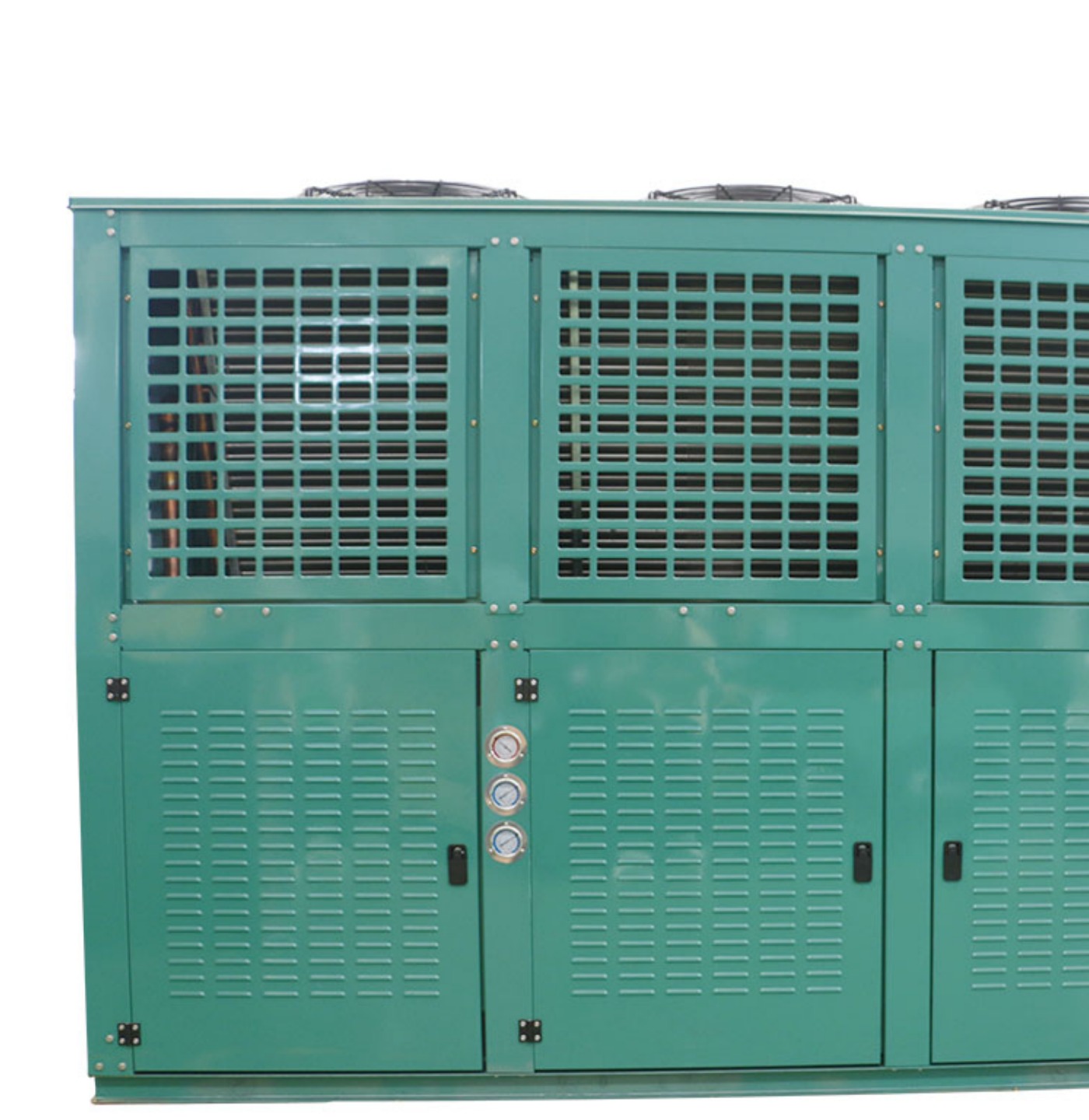
A high ambient condensing unit is a matched compressor and condenser package selected to hold its duty, and stay inside its compressor envelope, when the air around it sits at 45 °C instead of the 32 to 35 °C that most catalogue ratings assume. In the Gulf, Iraq, Pakistan, Rajasthan and the Sahel, that gap is the difference between a unit that runs all summer and one that trips on high pressure every afternoon.
The catalogue number is not wrong. It is just measured somewhere else. A unit rated at 35 °C ambient with a 45 °C condensing temperature will, at 45 °C ambient, run a condensing temperature near 55 to 58 °C. Capacity drops, discharge temperature climbs, current rises, and the high pressure switch starts to look like the most important part in the plant. This guide covers what actually changes at 45 °C, which parts of the selection carry the risk, and what to send us so the selection is done on your site conditions rather than a temperate default.
Why 45 °C is a different design point
An air-cooled condenser rejects heat to the air that passes through it, so its condensing temperature always sits above ambient by an approach. A clean coil with good airflow might hold 8 to 12 K above ambient. A dusty coil, a blocked airflow path, or a unit tucked into a corner can push that to 15 K or more. At 45 °C ambient, a 10 K approach already puts you at 55 °C condensing, which is the top of the map for many semi-hermetic and scroll compressors on R404A-class refrigerants.
Three things follow, and they show up in the first hot week, not the first year:
- Duty falls. Mass flow through the compressor drops as condensing pressure rises. A room that pulled down in six hours in April may take nine in July, and product loaded warm will not reach temperature before the next delivery arrives.
- Protection trips. High pressure cut-out, overcurrent, or discharge temperature protection stops the unit at the worst time of day.
- Life shortens. High discharge temperature attacks oil and motor windings. A unit that survives three summers at 58 °C condensing may still lose a compressor in year four, and the failure gets blamed on the brand rather than the selection.
Four levers that decide whether a unit holds up
Selection at 45 °C is not one decision, it is four that have to agree. Get one wrong and the other three will not save the unit.
1. Condenser surface and airflow
The condenser has to be sized for the ambient you actually have, plus a fouling margin for dust. That usually means more face area or more airflow than the temperate catalogue selection, and it means the coil has to be cleanable. A coil that cannot be reached with a brush or a low pressure washer will lose its margin in one season. Fin spacing matters too: wide enough to shed sand and lint, tight enough to keep the heat transfer.
2. Compressor envelope
Every compressor has a published operating envelope, and 45 °C ambient pushes the top right corner of it. Check the allowed condensing temperature, the discharge temperature limit, and whether the model needs liquid injection, an economiser, or a larger displacement to hold duty at that point. A bigger compressor is not automatically the answer; a compressor running outside its envelope at higher capacity is worse than a smaller one running inside it.
3. Refrigerant
R404A and R507 sit at the high pressure end and are being phased down in many markets. R449A and R448A run close in capacity with lower global warming potential, and R134a or R513A suit medium temperature duties. R744 (CO2) works in hot climates only with a transcritical design and a gas cooler sized for 45 °C plus, which changes the whole plant layout. The choice affects pressure ratings, pipe sizing, leak detection and what your local service company can buy. F-gas and import rules change, so confirm the current position with your importer or local authority before the order is placed.
4. Electrical and controls
Current rises with condensing pressure. Cables, contactors and overloads sized on the temperate rating can be marginal at 45 °C, and a panel in direct sun is hotter than the air around it. Fan speed control, a condensing pressure controller, and a clear high pressure alarm strategy are worth more in a hot site than an extra feature on the controller. Subcooling and liquid line design also matter, because a flash-gas line starves the evaporator and the room never recovers.
Design ambient compared: what changes between 35 °C and 50 °C
The table below is a planning reference, not a selection. Real numbers come from the specific unit's performance table at your condensing temperature and refrigerant.
| Design ambient | Typical condensing temperature | Capacity versus a 35 °C reference | What has to change |
|---|---|---|---|
| 35 °C (temperate default) | 45 to 48 °C | 100 percent, the catalogue basis | Standard selection, standard condenser, standard protection settings |
| 40 °C | 50 to 53 °C | About 92 to 96 percent | Condenser margin, check discharge temperature, fan control worth adding |
| 43 °C | 53 to 55 °C | About 88 to 92 percent | Larger condenser face or airflow, compressor envelope check, electrical margin |
| 45 °C | 55 to 58 °C | About 85 to 90 percent | High ambient selection, refrigerant review, protection settings set on site |
| 50 °C | 60 to 63 °C | About 75 to 82 percent | Water-cooled or evaporative option, liquid injection, envelope review with the factory |
These ranges are indicative and move with refrigerant, compressor type and coil condition. A dirty coil at 45 °C behaves like a clean coil at 50 °C, which is why maintenance belongs in the same conversation as selection.
Which condenser shape fits a hot, dusty site
Shape decides how the unit behaves when the air is hot and dirty, and how easily it can be cleaned.
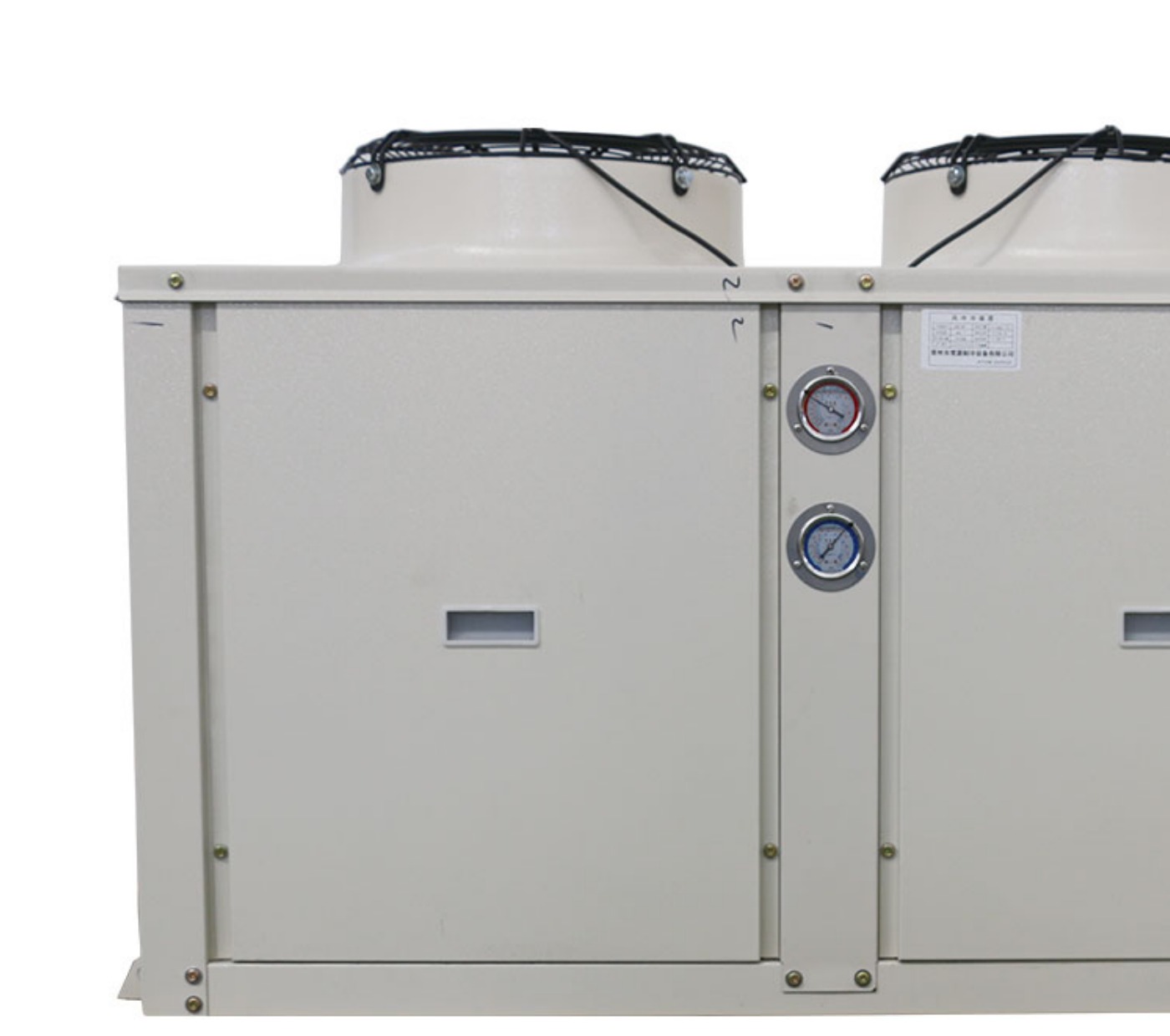
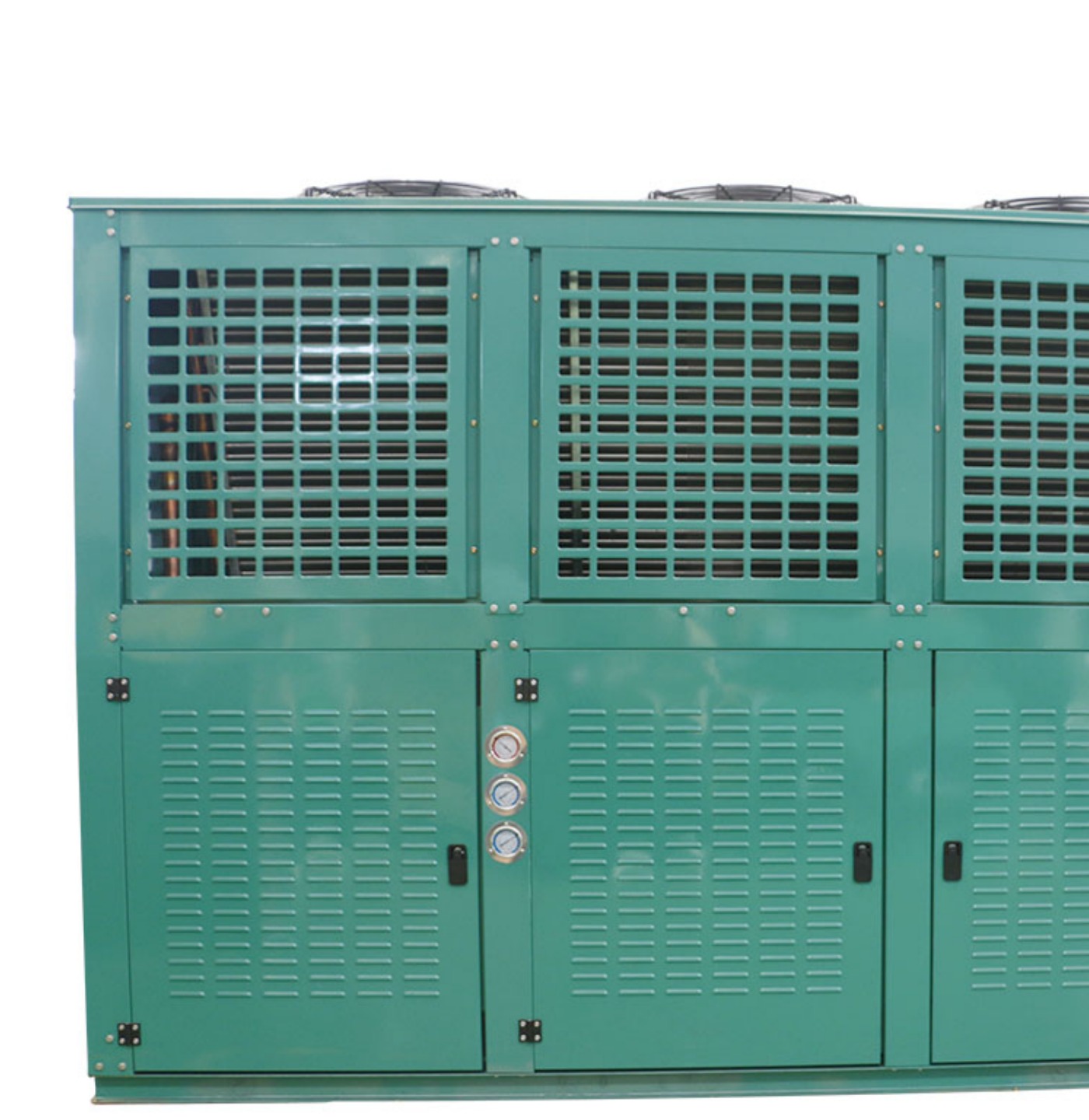
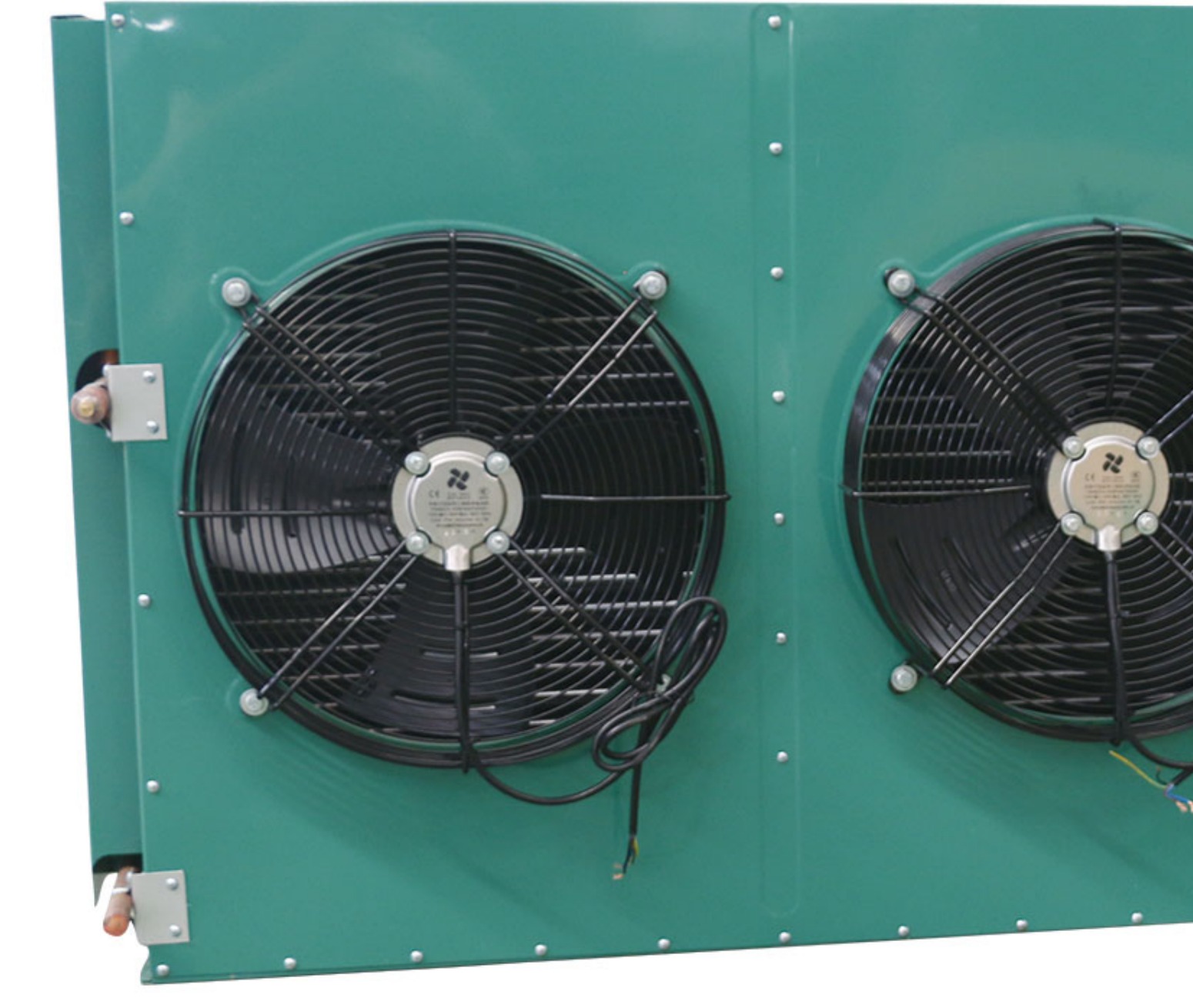
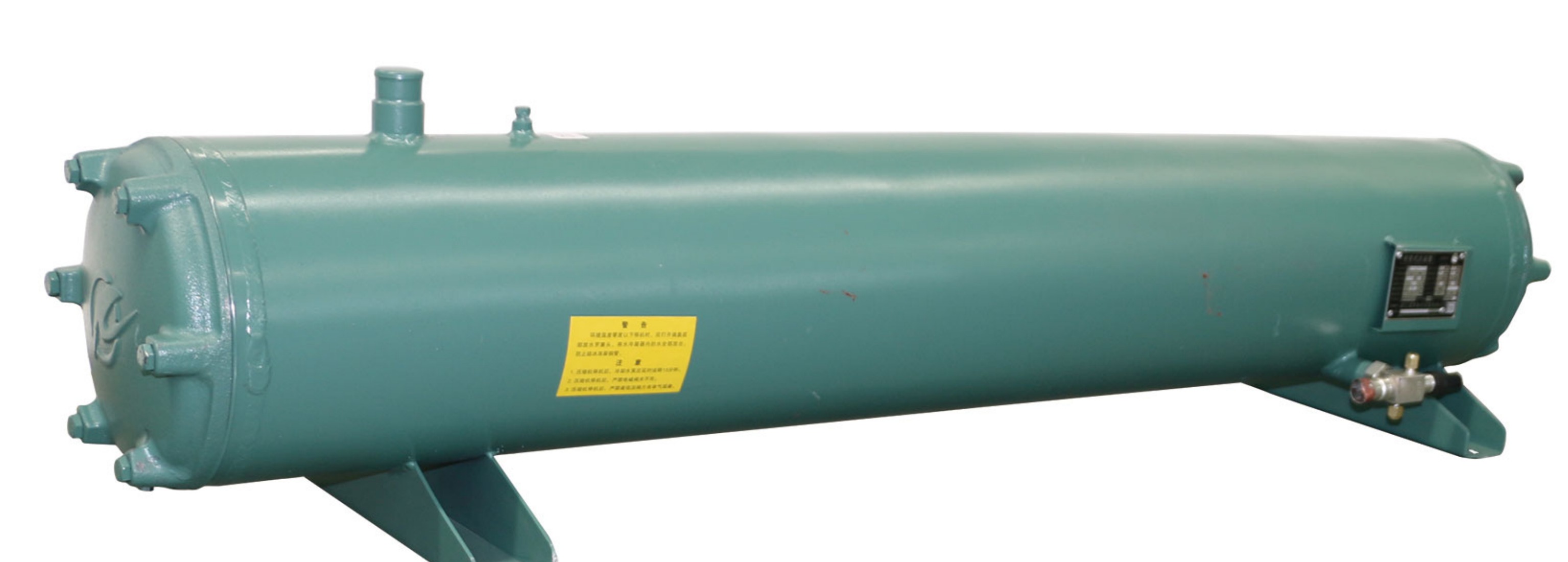
A U-shaped air cooled condenser is compact, discharges upward, and suits rooftops where space is tight and the airflow path is simple. A V-shaped air cooled condenser carries a larger coil face in the same footprint and suits medium and large units where capacity matters more than height. The H-shaped air cooled condenser is flat and low profile, so it fits wall or floor mounting and plant rooms with limited headroom. A water cooled condenser removes ambient air from the equation, which is attractive at 45 °C and above, provided there is a reliable water supply, a treatment plan, and someone who will actually look after the cooling tower or dry cooler.
On dust and sand, the practical questions are access and fin spacing, not brochure efficiency. A coil you can clean in twenty minutes will hold its margin; a sealed box with a beautiful housing will not. Full range in the condenser category.
Site details that decide real performance
Most units that fail at 45 °C were selected correctly on paper and installed badly. Air recirculation is the common fault: hot discharge air leaving the top of the unit, drifting back into the coil because of a wall, a parapet or the prevailing wind. Keep the clearances the manufacturer states, and check them against the actual wind direction, not the drawing.
Direct sun on a condenser adds load before the unit even starts. A shade structure, a lighter roof surface, or moving the unit out of the afternoon sun does more than upgrading the controller. Roof surface temperature in the Gulf can sit well above air temperature, and a unit sitting 300 mm off a hot roof is not operating at the ambient you measured at the weather station.
Altitude, voltage drop and dust all reduce margin. So does a plant room that was sized for a temperate unit and now holds a bigger condenser with the same louvre area. Commissioning measurements, subcooling, superheat, approach at the design day, give you the baseline you need to tell whether the unit is holding its duty in July. Our article on where cold room energy goes explains how condenser approach shows up in the electricity bill.
What we need to quote a 45 °C condensing unit
Send the following and the selection can be done against your site rather than a default:
- Duty required at the design ambient, in kW, with the evaporating temperature and room temperature you need to hold.
- The design ambient you want it selected at, plus the highest ambient seen on site in the last few years, if known.
- Refrigerant you intend to use, or the one your service company stocks.
- Voltage and phase, altitude, and whether the unit sits in sun, shade or a plant room.
- Water availability and quality if a water cooled or evaporative option is on the table.
- Footprint limits, height limits, noise limits, and distance from the cold room.
- Product, load pattern, and how many hours per day the doors open.
We are an engineering and supply company, so the unit is built by our manufacturing partners to the selection we agree, and installed by trusted installation teams or your own contractor. We can attend site for installation and commissioning support. Technical support and spare parts are handled after handover, and the settings record stays with the unit so the next service company knows what it was set to. For compressor and unit type comparisons, our guide on reciprocating versus screw compressors covers the trade-offs, and the refrigeration unit category shows the packaged options we supply.
Frequently Asked Questions
Is a unit rated for 45 °C ambient safe at 50 °C?
Not automatically. The rating usually marks the top of the published performance table, not a guarantee of continuous duty above it. At 50 °C ambient an air-cooled unit runs a condensing temperature near 60 to 63 °C, which pushes many compressors past their envelope. If the site sees 50 °C, select for it and ask for the performance table at that point.
How much capacity do we lose at 45 °C compared with 35 °C?
Expect roughly 10 to 15 percent less capacity for an air-cooled unit, sometimes more with a dirty coil or a poor airflow path. The exact figure depends on refrigerant, compressor type and condenser size, so ask for the unit's own table at your condensing temperature instead of applying a rule of thumb.
Can we keep the existing condenser and add a bigger fan?
Rarely. Airflow helps up to the point where the coil surface is the limit, and a coil sized for 35 °C stays undersized for 45 °C however hard the fan blows. A larger fan also raises current and noise. Compare the cost of a correctly sized condenser with the cost of a compressor that runs outside its envelope.
Which refrigerant should we use in a hot climate?
R449A or R448A are common replacements for R404A in new medium and low temperature systems, and R134a or R513A suit medium temperature duties. R744 needs a transcritical design and a gas cooler sized for the site. Rules on F-gas, import and labelling change, so confirm the current position with your importer or local authority before ordering.
Is water cooling better than air cooling at 45 °C?
A water cooled condenser removes ambient air from the condensing temperature, so it holds duty more steadily. It needs a reliable water supply, water treatment and someone to maintain the tower or dry cooler. Where water is scarce or expensive, a larger air cooled condenser with a cleanable coil and good clearance is usually the practical answer.
What maintenance keeps a 45 °C unit at its rated duty?
Clean coils on a schedule that matches the dust on site, check fan blades and motor current, keep the clearances free of stored pallets and debris, and log the condenser approach every month. An approach that climbs from 10 K to 15 K between cleanings tells you the site needs a shorter interval, not a bigger unit.