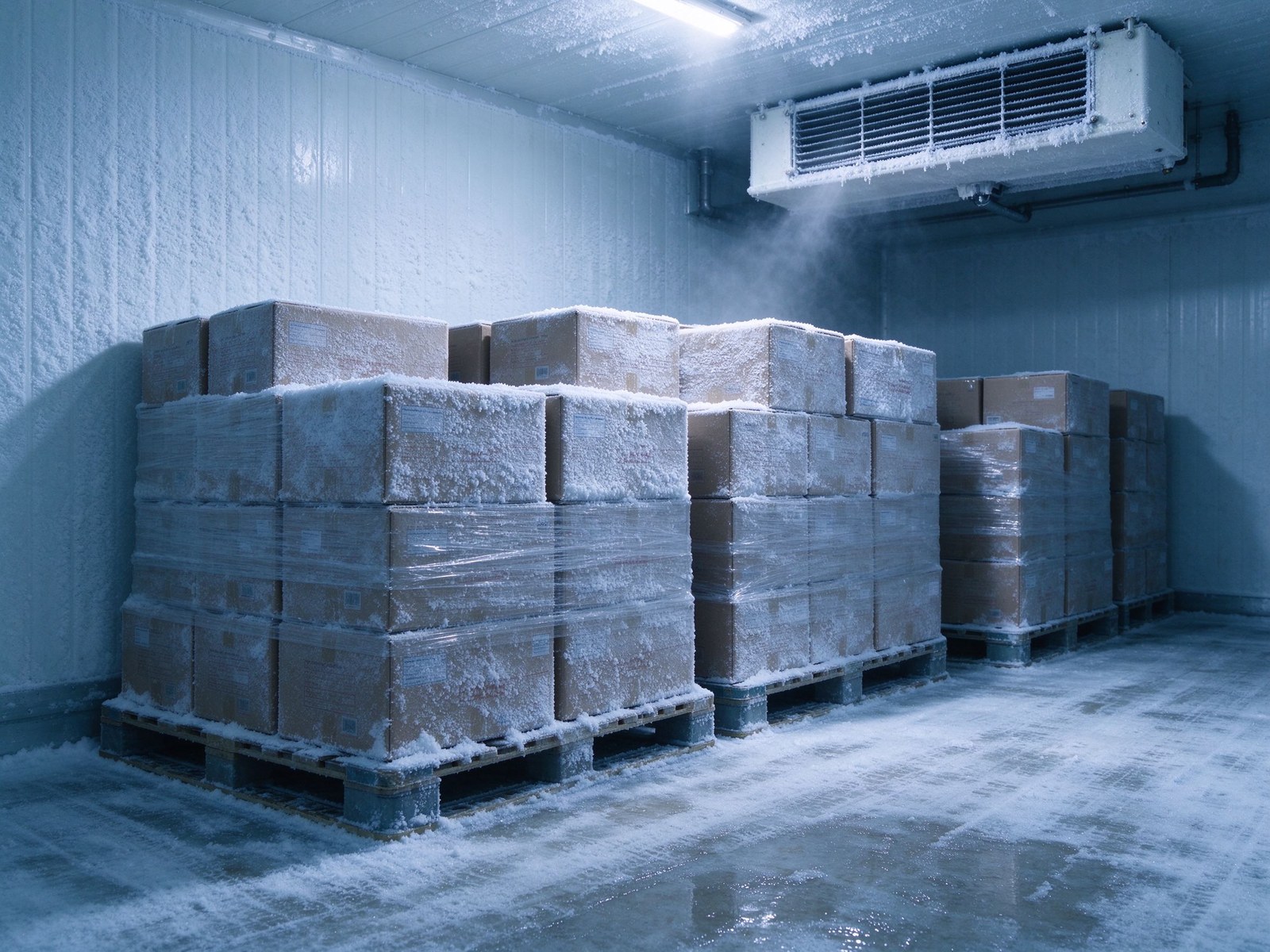
Cold room maintenance is the set of checks and services that keep a refrigerated room at its set temperature, at the energy cost it was designed for, for the life of the plant.
Most cold room failures are slow rather than sudden. Frost builds on an evaporator coil, a door seal tears along one edge, a condenser fills with dust from the yard, a temperature sensor drifts two degrees. Each fault adds a little load, and the room keeps holding temperature for months, so nobody notices. Then a hot week arrives, the unit runs flat out, product temperature climbs, and the failure looks sudden when it was actually visible all along.
A schedule makes that drift visible while it is still cheap to fix. This is the maintenance pattern we recommend to the food and pharma rooms we supply, written for a plant that runs its own staff and calls in a refrigeration technician for the parts that need one.
Three things a maintenance schedule protects
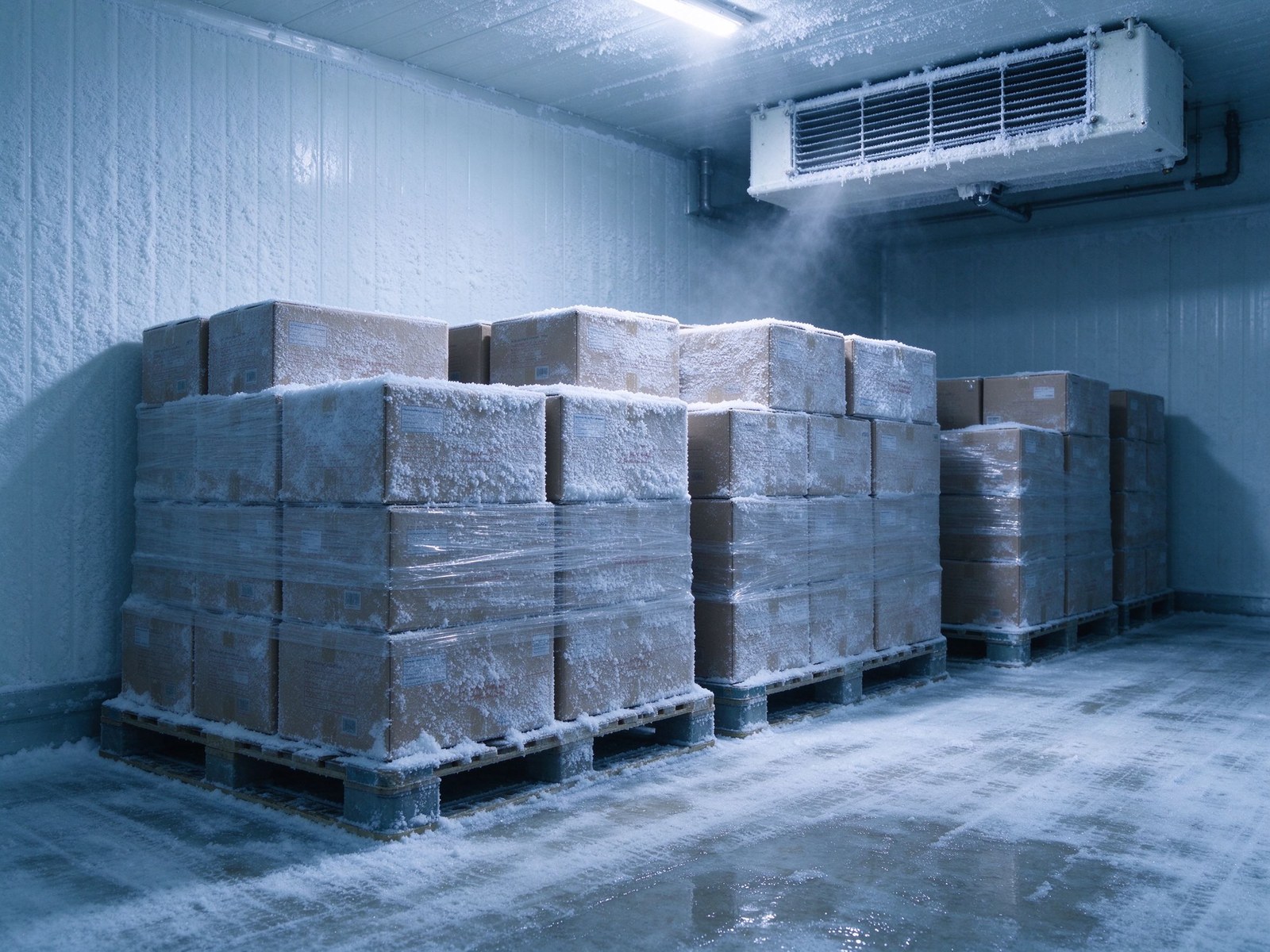
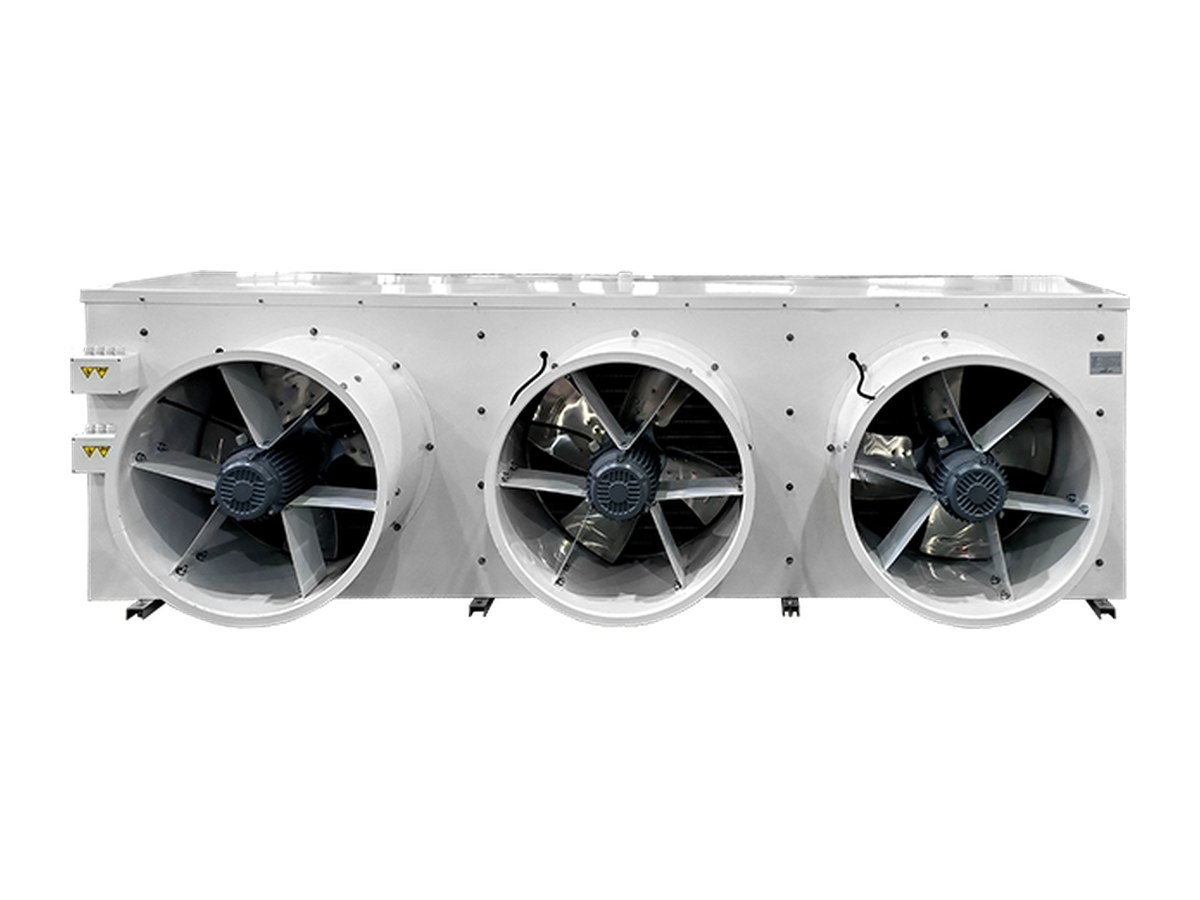
Air side. The evaporator, its defrost cycle, the drain pan and the drain line. Ice on a coil cuts airflow and capacity, and a blocked drain puts water on the floor where it freezes and becomes a slip risk. Air side faults show up first as longer pull-down times, then as a room that cannot recover after a door opening.
Refrigeration side. The condenser, refrigerant charge, oil level, contactors and controls. A dirty air cooled condenser raises condensing pressure, which raises power draw and shortens compressor life. This is the most common avoidable cost in a cold store, and it is also the cheapest to prevent. Our article on where cold room energy actually goes shows how much of the bill sits here.
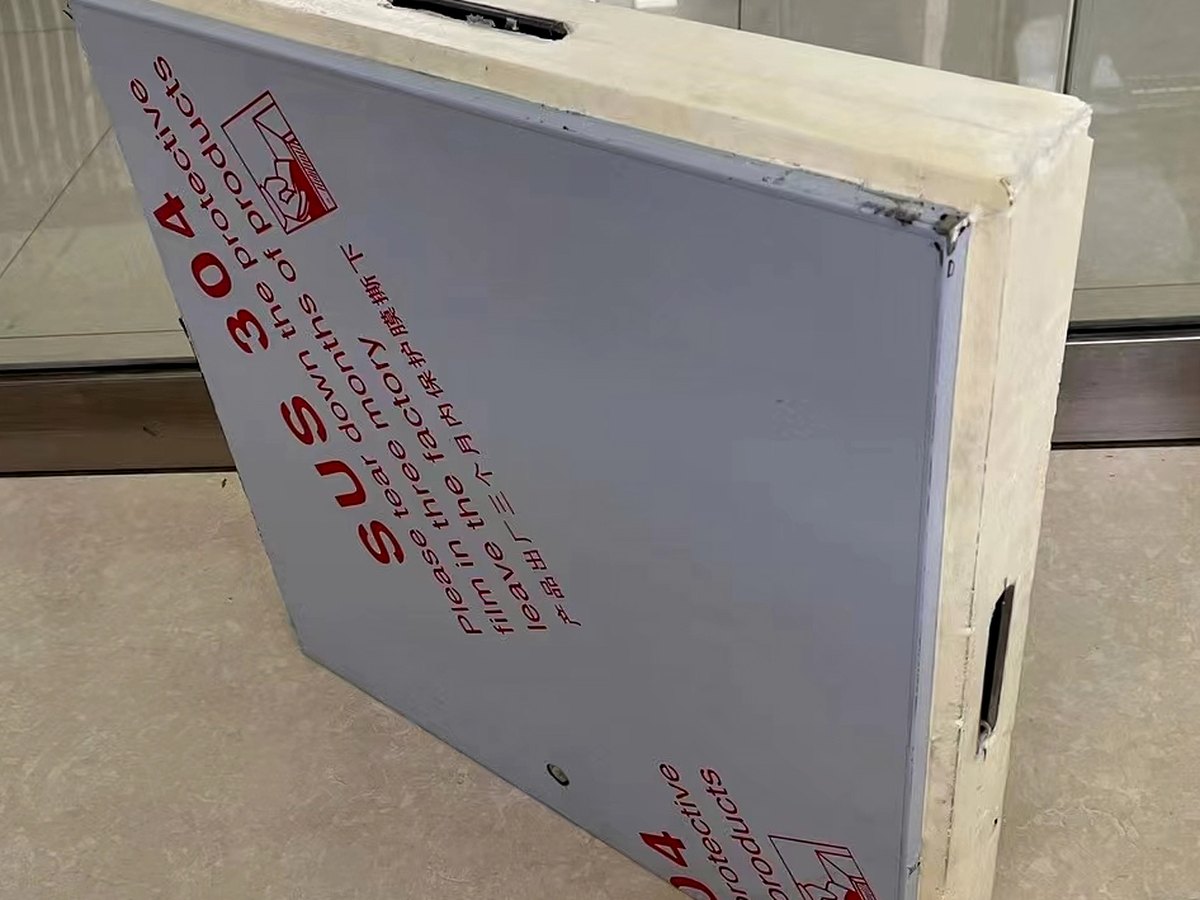
Envelope. Panels, joints, doors, seals and floor. A torn seal or a damaged panel joint lets humid air in, and humid air becomes frost on the coil and ice on the floor. Doors take the most abuse and fail first, which is why the door set gets its own check in the schedule below.
Daily checks, about fifteen minutes
These need no tools and no technician. One person walks the room at shift start and writes the numbers down.
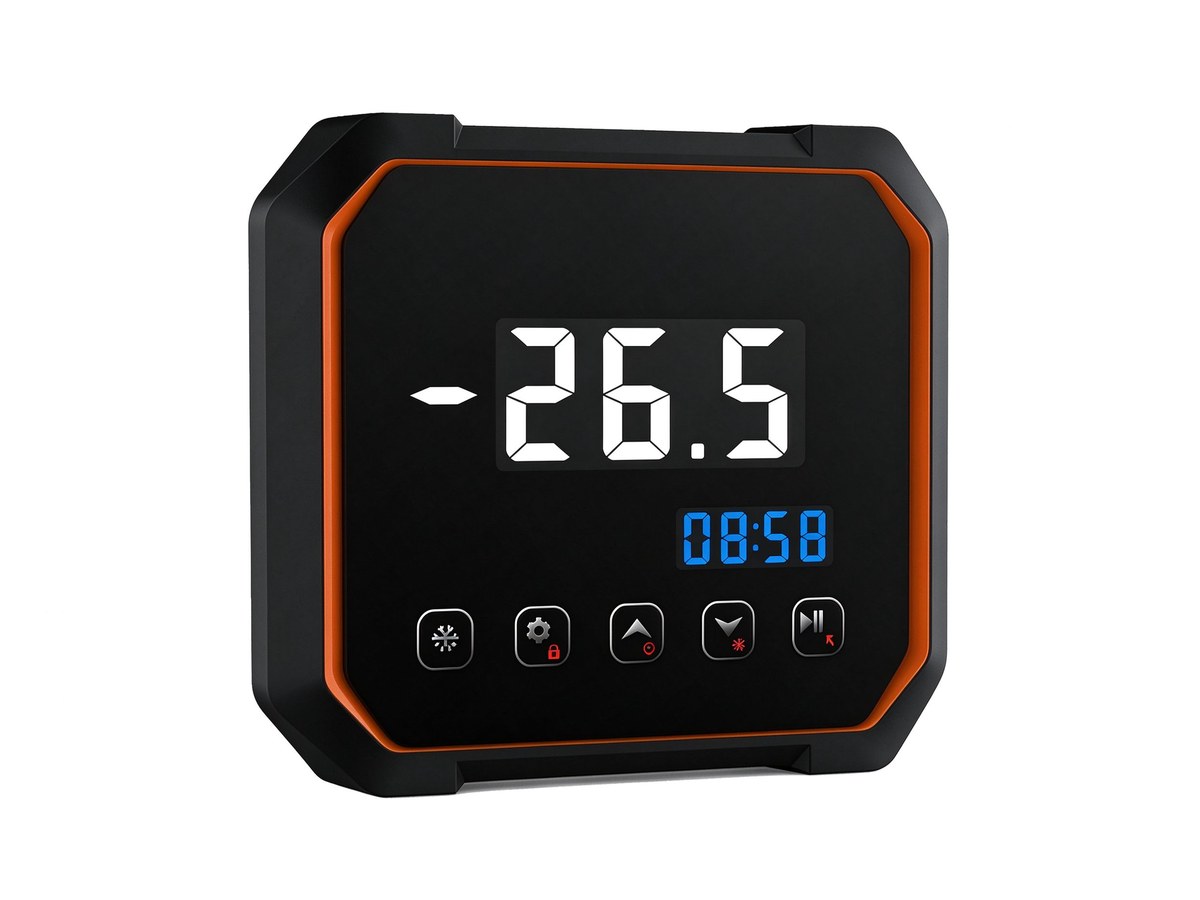
Read the room temperature against the setpoint, and read the product core temperature on a probe if the product is stored for weeks. A room that reads correct air temperature while product drifts is a sign of poor air distribution, not a sensor fault. Check the evaporator for frost between defrost cycles, look at the drain pan, and confirm the drain line runs free. Open and close each door once, watch the seal line, and check that the door heater is warm on low temperature rooms. Listen at the unit for new noise or vibration. Look at the floor near the door for ice. Confirm the alarm panel shows no active fault, and log all of it.
The log is the point. A single reading tells you nothing; a line of readings over three weeks tells you the room is losing ground before the product does.
Monthly and quarterly service
Monthly work needs a technician or a trained maintenance fitter, and about two hours per room.
Clean the air cooled condenser fins from the outside in, with the fan off, and check the coil face for oil or dust that will not brush off. Inspect the defrost cycle: how long it runs, how it terminates, whether the coil is clear at the end. A cycle that runs to its time limit instead of terminating on temperature is a warning, not a setting. Check door seals for cracks and gaps, hinges for sag, and the frame heater. Look at panel joints for frost lines and at the floor for soft spots or damaged coating.
Quarterly work goes deeper. Leak check the joints you can reach, look at the sight glass for moisture, check oil level and oil colour, and inspect contactors for pitting. Test the high temperature and door-open alarms by simulating the condition rather than pressing a test button. Verify room sensors against a calibrated probe, because a sensor that reads two degrees high will hold the room two degrees warm forever. Export the controller settings to a file so a replacement panel can be restored quickly. Controls and panels are covered on our control systems page, and small rooms often run on a split control panel that is simple to keep documented.
Seasonal service, before the hot months
The season matters more than the calendar month in hot climates. Service the plant two to four weeks before the hottest period, not during it.
Do the deep condenser clean, confirm the head pressure control works at design ambient, and check the refrigerant charge at a known load rather than by guess. Confirm defrost water drains freely and that the drain heater, where fitted, still works. Run a pull-down test from ambient and compare it with the commissioning record. A pull-down that takes 20 percent longer than the baseline is the earliest reliable sign of a coil, charge or door problem.
For rooms in tropical and Gulf conditions, the full pattern is set out in cold rooms in tropical climates. High ambient raises condensing pressure on every hour of the day, so condenser condition matters more there than in a temperate plant.
The schedule, the faults it catches, and the spares to keep
The schedule in one table
| Task | Interval | Who | What a bad result means |
|---|---|---|---|
| Room and product temperature log | Every shift | Room staff | Air correct but product warm: airflow or loading problem |
| Evaporator frost check, drain pan and drain line | Daily | Room staff | Ice between cycles: defrost fault, door left open, or humid air ingress |
| Door seal, hinge, heater and floor ice | Daily visual, monthly hands-on | Room staff, fitter | Torn seal or cold hinge: air leak, frost on coil, ice on floor |
| Condenser fin clean | Monthly, or every two weeks in dusty sites | Fitter | High head pressure, higher power draw, shorter compressor life |
| Defrost cycle duration and termination | Monthly | Technician | Cycle running to time limit: coil not clearing, heater or sensor fault |
| Panel joints and insulation condition | Monthly | Fitter | Frost line on a joint: moisture in the panel, insulation loss |
| Refrigerant leak check, oil level, sight glass | Quarterly | Technician | Low charge or moisture: capacity loss and possible acid formation |
| Sensor calibration against a reference probe | Quarterly | Technician | Reading offset: room held warm or cold without anyone noticing |
| Alarm test, high temperature and door open | Quarterly | Technician | Alarm that does not trip: product loss with no warning |
| Pull-down test against commissioning baseline | Before hot season | Technician | Longer pull-down: coil, charge, door or insulation has degraded |
| Full service, electrical inspection, settings backup | Annual | Technician | Loose terminals, pitted contactors, undocumented settings |
Faults the schedule catches before they cost product
Ice on the evaporator with the coil clear at the end of defrost points to humid air entering, not to a refrigeration fault. Check the door seal and the panel joints before touching the refrigeration circuit. A room that holds at night but climbs at peak load usually has a condenser or airflow problem, and a condenser clean often fixes it.
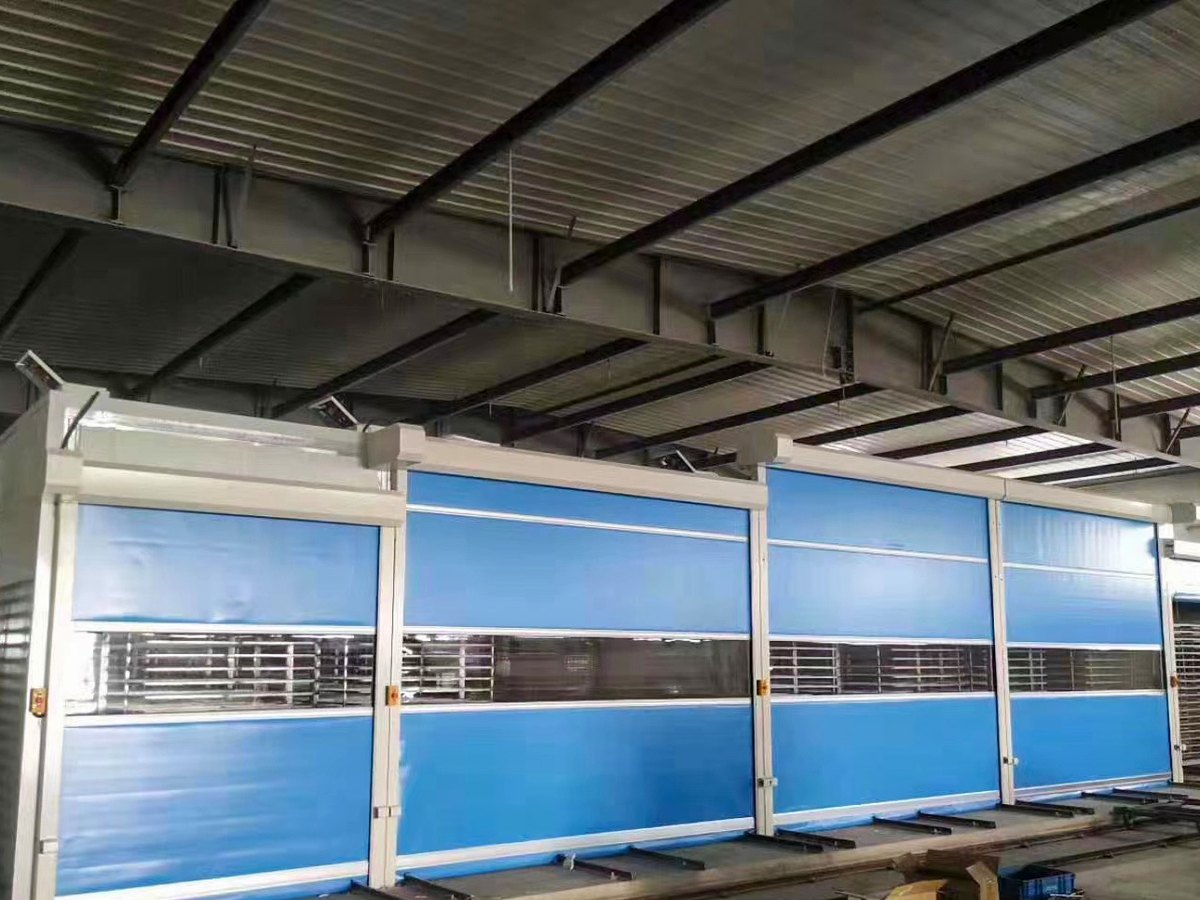
Short cycling in mild weather suggests an over-sized unit or a charge problem. A warm suction line and a cold liquid line point at charge or expansion valve. Ice across the door threshold is a door problem, and the door types and seals are compared on our cold room door selection page. High speed doors with a damaged curtain lose more cold air in a week than a torn seal does in a month, so the curtain is part of the daily walk.
On the air side, fan blades that are out of balance or motors with worn bearings show up as noise before they fail. Evaporators for low temperature rooms need a defrost method that matches the site, and electric defrost evaporators are the usual choice where water is short or drainage is difficult. Air coolers in general are listed under cold air fans.
What belongs in the spare parts box
A plant that waits for a part from overseas loses days, not hours. For a typical room we suggest keeping one door seal gasket per door size, one defrost heater, one fan motor, one contactor, one filter drier, one temperature sensor, a set of fuses and a spare controller of the same model.
High speed doors deserve their own spares: a curtain section, a controller board and a photocell, because a door stuck open in a freezer pulls in humid air every minute it stays open. The door range is on our cold storage doors page.
What to send us for a quotation
We quote maintenance contracts, retrofit work and replacement equipment for rooms we did not build, so the first step is a survey rather than a price. Send the room dimensions and volume, the product and its temperature, the current setpoint, the equipment list with photos of the unit and evaporator, the compressor or condensing unit model plate, the last month of temperature logs, the fault history, and the site location with access notes. If the room is in a leased building, tell us who controls the power and the roof access.
Tell us the downtime window you can accept as well. A maintenance visit that needs the room empty is planned differently from one that runs alongside production. Where a fault needs a technician on site, our engineers can attend with trusted installation teams, and spare parts and technical support stay available after handover.
Frequently Asked Questions
How often does a cold room need a full service?
Once a year for the full electrical and refrigeration service, with the air side checked monthly and the hot season pull-down test done two to four weeks before peak ambient. A room that stores chilled product and opens doors all day usually needs the condenser cleaned more often than the annual interval suggests, and dusty sites are the worst case.
Can our own staff handle the daily checks?
Yes. The daily walk takes about fifteen minutes, needs no tools, and covers room and product temperature, evaporator frost, the drain pan and line, each door seal and heater, and the alarm panel. What matters is that the readings go into one log with dates, because a single number tells you nothing and a month of numbers shows the room losing ground.
Why does ice build on the evaporator between defrost cycles?
Three causes cover most cases: a defrost cycle that terminates on time instead of on coil temperature, humid air entering through a torn seal or an open door, or product loaded warm and wet in large batches. Check the door and panel joints before touching the refrigeration circuit, since a leak of humid air is the cheapest of the three to fix.
How do we tell a door seal has failed?
Frost on the door frame and ice on the threshold are the first signs, followed by a visible tear or a gap you can see daylight through when the door is closed. On low temperature rooms the frame heater should feel warm; a cold frame with frost on it points at the heater rather than the gasket.
Which spare parts should a cold store keep on site?
One door seal gasket per door size, one defrost heater, one fan motor, one contactor, one filter drier, one temperature sensor, a set of fuses and a spare controller of the same model. High speed doors also need a curtain section, a controller board and a photocell, because a door stuck open loses more cold air than any other single fault.
Does a new cold room still need a maintenance schedule?
Yes. The first year matters most, because the first quarterly and pre-season checks catch installation issues such as a seal that was not seated, a drain line with the wrong fall, or a defrost cycle set too short. Rooms we build or supply are handed over with a settings record and a pull-down baseline, so later tests have something to compare against.