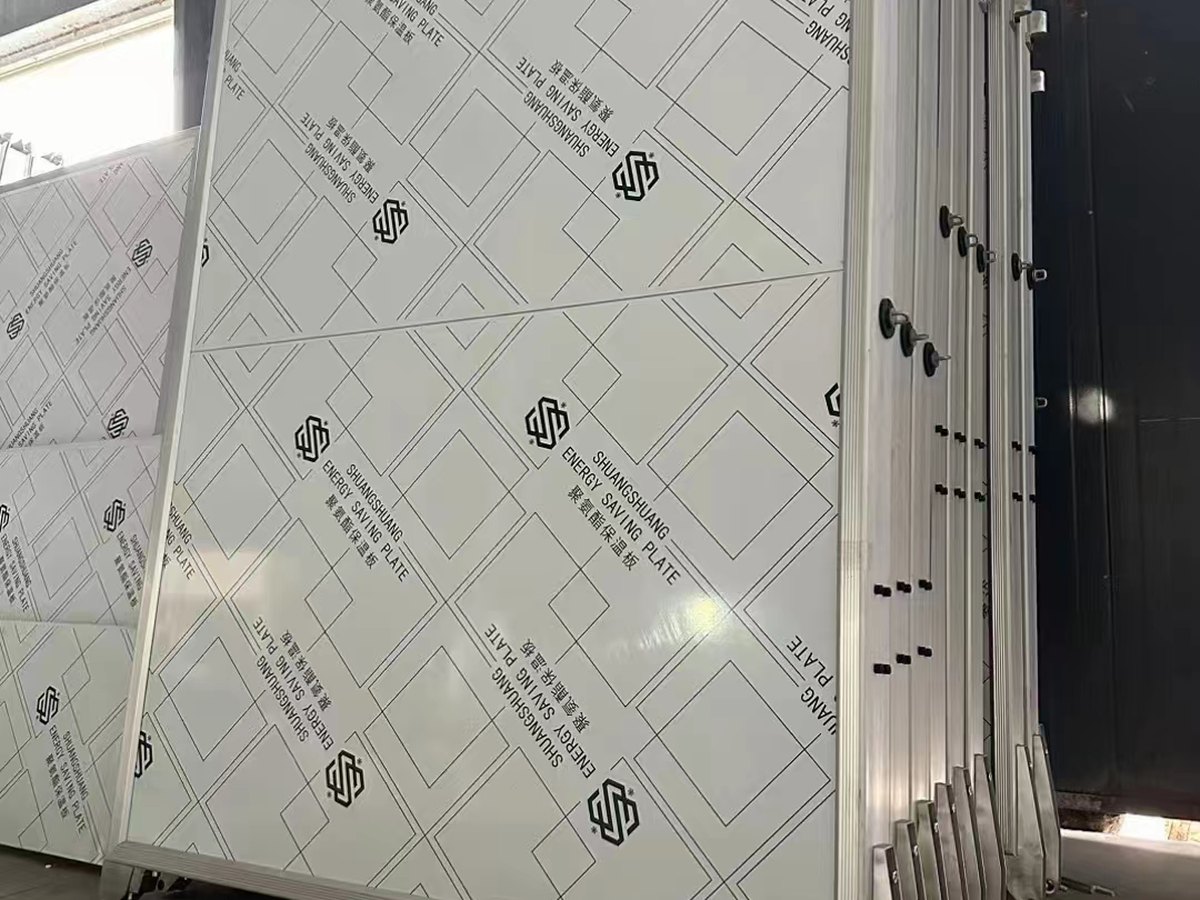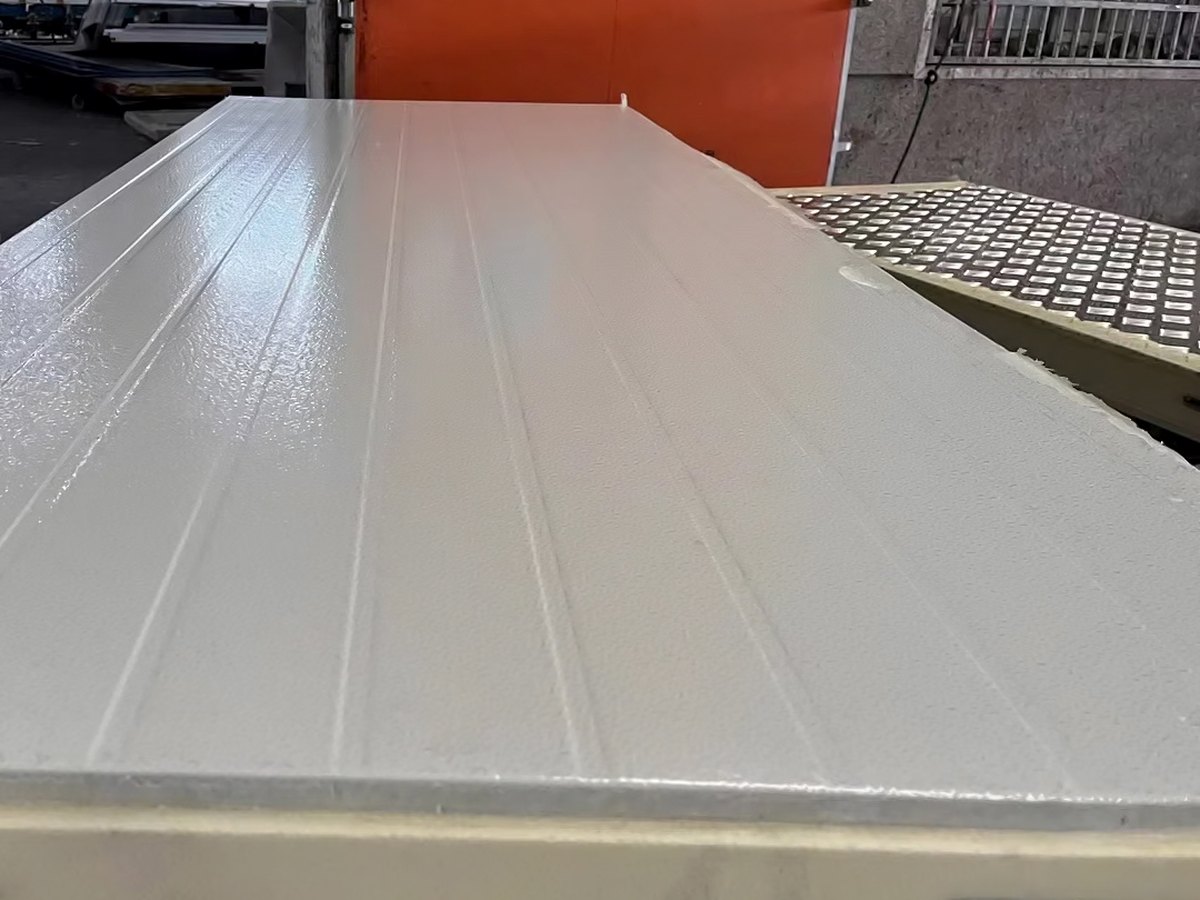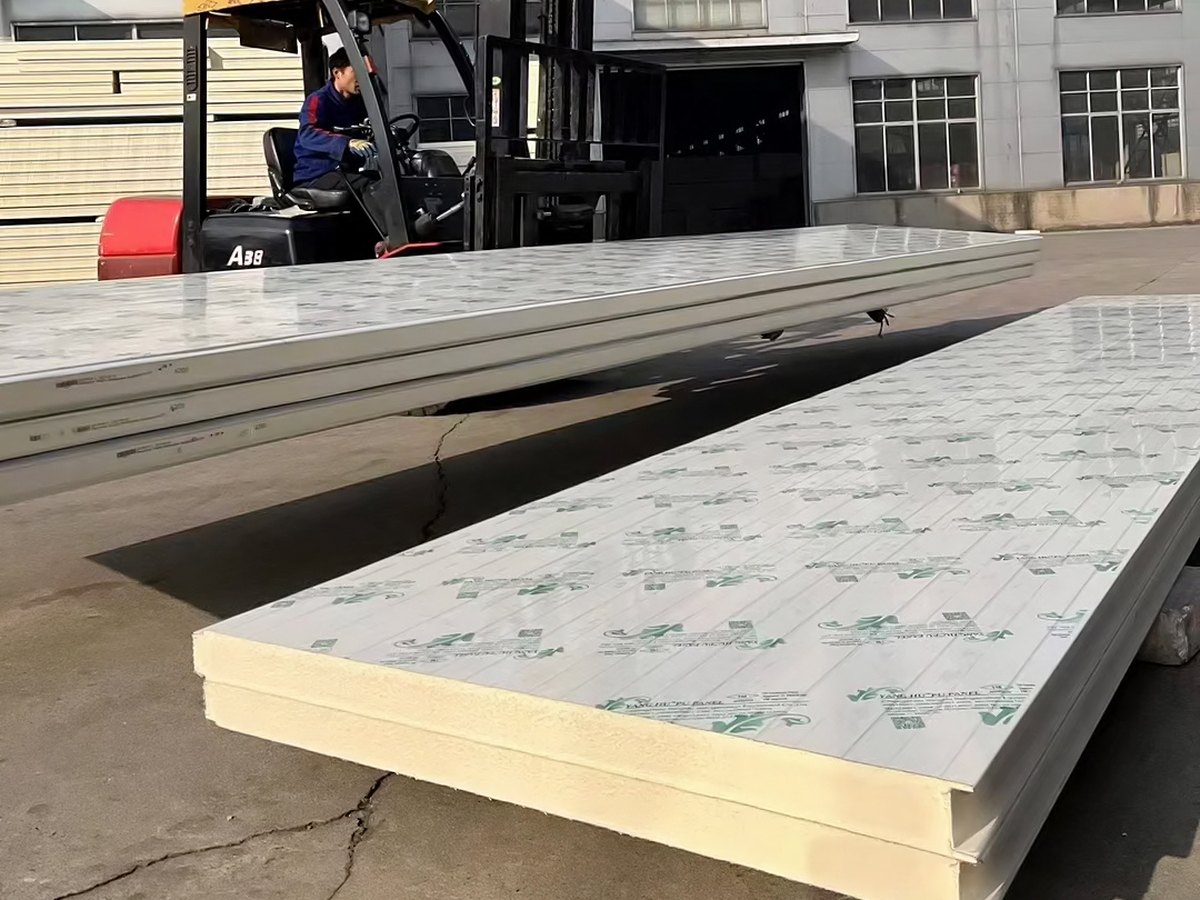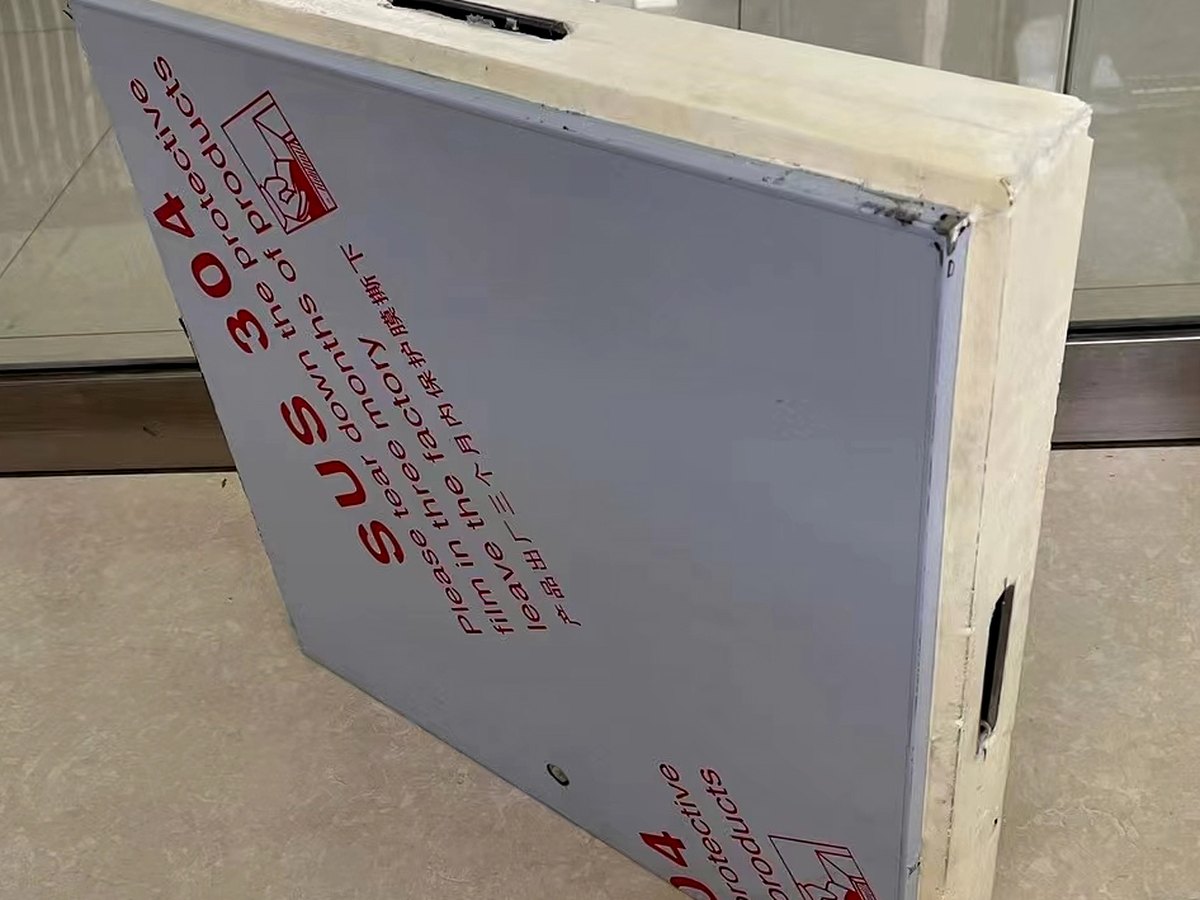
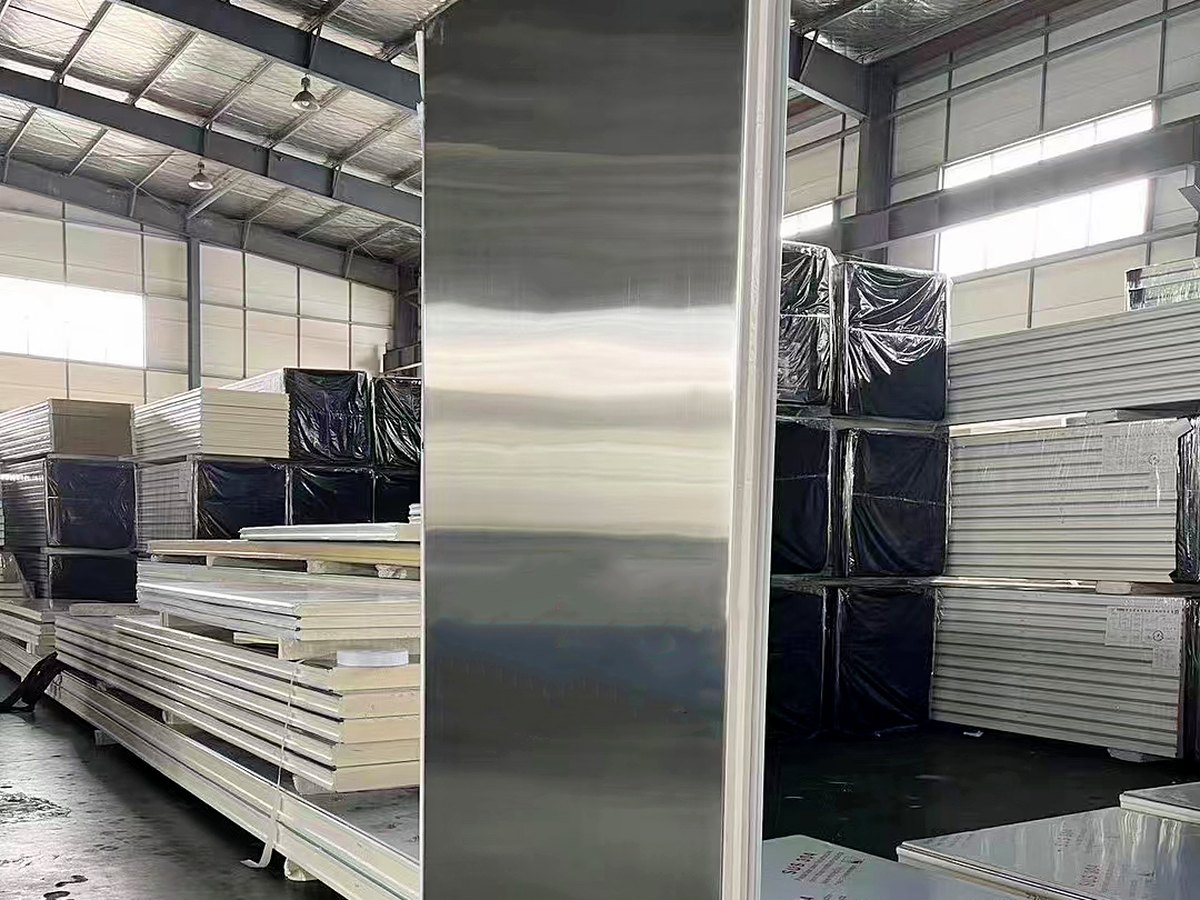
B1 and B2 are fire performance classes in GB 8624-2012, the Chinese standard that grades building materials by how they behave in a fire, where B1 marks a flame-retardant material and B2 marks a combustible one.
Every cold room quotation out of China carries one of these two labels, usually on the panel line and sometimes on the door line, and buyers in the Gulf and Southeast Asia read it as a promise. It is a narrower promise than most people assume. It describes a tested build-up, not a building, and B1 in this system is not the same thing as class B in the European system. This article sets out what each class means, which tests sit behind it, what it does not cover, and the questions that settle a specification before panels are ordered.
What B1 and B2 mean in a quotation
GB 8624-2012 groups building materials into A, B1, B2 and B3. Class A is non-combustible and splits into A1 and A2. B1 is flame-retardant: the material can ignite but the flame stops spreading once the ignition source is removed, with limited heat release and limited smoke. B2 is combustible: the material burns and contributes to fire growth, though it is graded above B3, which is highly flammable.
The label travels badly across languages. A Chinese panel sold as B1 is sometimes translated into English as "Class B", which sounds close to the European B class and is not the same. EN 13501-1 grades A1, A2, B, C, D, E and F, and adds smoke and droplet suffixes such as s1 and d0. The European B class sits just below A2 and is tested under EN 13823 and EN ISO 11925-2. A B1 report from a Chinese laboratory and an EN B-s1,d0 report describe two different test regimes, so a buyer comparing them line by line is comparing numbers that were never meant to be read together.
The tests behind the label
B1 is not the result of one test. A laboratory reaches the class by running a set of them and then writing a classification decision:
- GB/T 8625, the difficult-combustibility test, puts the material in a test shaft and measures flue gas temperature and the duration of burning.
- GB/T 8626, the flammability test, applies a small flame to the edge and the surface for a fixed time.
- GB/T 8627 measures smoke density.
- GB/T 2406 gives the oxygen index, and GB/T 2408 covers horizontal and vertical burning of plastics.
The oxygen index is the number most often quoted in sales talk, with B1 panels usually said to sit above 30% and B2 panels in the mid-twenties. It is a screening figure, not the classification. The classification is the report, and the report is only valid for the build-up that was tested: core type, core density, panel thickness and steel facing thickness all appear on the cover. A report on a 50 mm sample does not carry over to a 150 mm freezer panel, and a report on foam alone does not cover the finished panel with its facings and joints.
When a supplier sends a certificate, read four things: the standard number on the report, the laboratory and its accreditation mark, the date, and whether the tested thickness and core density match what is being quoted. A one-page certificate with a class and no test detail is worth asking about.
The core material decides more than the label
Two panels can both carry a B1 report and behave differently in a fire, because the class is a threshold and the chemistry underneath it varies. The table compares the cores that turn up in food cold rooms.
| Core | Class usually seen | Fire behaviour | Where it is used | Cost against B1 PU |
|---|---|---|---|---|
| PU foam, flame-retardant | B1 | Chars and shrinks, smoke is heavy, flame spread is limited | Most chill and freezer rooms in food and distribution | Baseline |
| PU foam, standard | B2 | Burns faster and contributes more to fire growth | Small rooms, temporary structures, sites where the authority allows it | Usually 8 to 15% below B1 at the same thickness |
| PIR | B1, sometimes A2 with steel facings | Forms a protective char layer, less contribution to fire growth | Rooms inside occupied buildings, plant areas, insurer-driven projects | Premium over B1 PU |
| EPS | B2 | Melts and collapses, produces dense smoke | Rarely accepted by insurers for large cold stores | Below B1 PU |
| Rock wool | A2 | Non-combustible mineral core, no contribution to fire growth | Machine rooms, walls against occupied space, projects that specify class A | Highest, with lower insulation value per mm |
Core density is a different parameter. A 40 kg/m3 panel holds its shape and insulates better than a 35 kg/m3 panel, and neither figure says anything about fire class. Density and class are quoted together so often that buyers start treating them as one number.
Facings matter too. Colour-coated steel faced panels in 0.4 to 0.5 mm are the normal build for food rooms, and stainless facings cost more but suit wash-down areas. Both change the fire result, because the steel delays ignition of the core at the surface.
What the rating does not cover
A B1 panel does not make a B1 building. Fire performance at the joints, the sealant, the door openings, the pipe and cable penetrations and the evaporator hangers all sit outside the report. On a cold store the weak points are usually the openings, not the wall.
Doors are the place where the wording gets loose. A door sold as "B1 fire-rated" usually means the leaf uses a B1 panel core, which is a material class. Compartmentation needs a door tested for integrity and insulation over a stated time, under EN 1634 or GB 12955. Those are minutes, not a letter. Buyers who need both should state both, and we quote a B1 fire-rated sliding door on the material side and a tested fire door where the authority asks for a time rating.
Insurance adds a third system. FM Global and several Gulf insurers ask for panels tested to FM 4880, or for a specific class from a recognised lab, and a GB 8624 B1 report may not clear that review. The question to ask early is what the insurer will accept, because it can change the core and the budget.
Code limits decide where a combustible core is allowed at all. China's GB 50072 for cold stores and GB 50016 for building fire design both restrict B2 panels by room size, height and position inside a building. Gulf authorities such as Dubai Civil Defence, the Saudi Civil Defense and the Qatari MOI review the same question through a consultant and a civil defence approval, and their answer does not always match the panel certificate. Rules change, so confirm the current requirement with the local authority and the insurer before the order is placed.
What to put in the specification
A fire specification that a supplier can answer without guessing has six lines. The table is the version we send with enquiries.
| Item | What to ask | Why it matters |
|---|---|---|
| Class and standard | B1 or B2 to GB 8624-2012, or a specific EN 13501-1 class for European buyers | The two systems do not convert into each other |
| Report scope | Panel thickness, core density and facing thickness that were tested | A class on another build-up does not apply to yours |
| Core type | PU, PIR, EPS or rock wool, stated by name | Two B1 panels can still behave differently |
| Smoke | Smoke density result, and the s1 or s2 suffix where EN applies | Smoke stops evacuation before flame does |
| Doors | Material class plus a time rating if the room is a compartment | A letter class is not a minutes rating |
| Authority and insurer | Civil defence requirement and insurer requirement, in writing | Both can override the panel certificate |
Panel selection for a cold store also runs on thickness and U value, which we cover in Cold Room Panel Thickness: 100, 150 or 200 mm. The wider selection logic, including density and joint detail, is in How to Choose Cold Room Panels. For the panels themselves, the colour-coated steel PU sandwich panel and the machine-made PU insulated panel lines are the two most quoted builds, and the full range sits under cold storage panels. Stainless facings for wash-down rooms are on the stainless steel PU sandwich panel page.
ANCOLD is an engineering and supply company, not a panel plant. Panels come from a network of vetted manufacturers, and each order is checked against the report for the exact thickness and core being shipped. Where a project needs a specific class, we send the classification report with the quotation instead of a line in a brochure.
To price a room we need the room temperatures and internal dimensions, the product and the fire strategy (single compartment or divided), the class and standard your authority or insurer requires, your preferred panel thickness and facing, the door count and any time rating, site drawings, and the delivery window. Send those and the quotation comes back with the panel build-up and the matching report attached.
Frequently Asked Questions
Is a B1 cold room panel the same as a class B panel in Europe?
No. B1 comes from GB 8624-2012, the Chinese classification, and is decided by a set of Chinese test methods. EN 13501-1 uses A1 to F, with smoke and droplet suffixes. A B1 report and an EN B-s1,d0 report describe different tests, so the classes cannot be converted into each other on paper.
Can a B2 panel be used for a cold room?
It depends on the room and the authority. Many building codes limit combustible core panels by room size, height and position inside a building, and some insurers refuse them for large stores. B2 panels are common in small rooms and temporary structures where the local authority accepts them. Confirm the requirement with the authority and the insurer before ordering.
Does a thicker panel give a better fire rating?
No. Thickness changes insulation and U value, not fire class. A classification report is valid for the thickness that was tested, so a 150 mm panel needs a report that covers 150 mm. Ask for the report on the build-up you are buying.
Is PIR better than PU in a fire?
PIR usually performs better. It forms a char layer that shields the core and contributes less to fire growth, and it often reaches B1 with a similar or better result than flame-retardant PU. Both depend on the tested build-up, so compare the reports rather than the resin name.
What is the difference between a B1 door and a fire-rated door?
A door sold as B1 normally means its leaf uses a B1 panel core, which is a material class. A fire-rated door carries an integrity and insulation rating in minutes, tested under EN 1634 or GB 12955. If the room is a fire compartment, state the time rating as well as the material class.
How do I check a supplier's fire certificate?
Read the standard number, the laboratory and its accreditation mark, the date, and the tested thickness, core density and facing thickness. Then check those details match the quotation. A one-page certificate with a class and no test data is not enough for a project review.