A dairy cold chain is the series of temperature-controlled handling steps that keeps milk, laban, yoghurt, cheese, butter and ice cream inside their required range from the processing plant or the port of arrival through storage, transport and the retail shelf.
In the Middle East the room is rarely the weak point. The weak point is the forty minutes a pallet spends on a dock at 48 C, the truck that arrives without a working reefer, or a chiller sized for a 35 C design day that runs at 50 C in August. This article sets out the temperatures each dairy product needs, the room details that hold them, and the places where Gulf chains usually break.
Storage temperatures for the main dairy products
Dairy is not one temperature band. A distributor that puts UHT milk, laban and ice cream in the same building is running three different rooms under one roof. The table below is the starting point for any layout discussion.
| Product | Storage temperature | Typical RH | Room type | Why it matters |
|---|---|---|---|---|
| Pasteurized fresh milk | 2 to 4 C | 85 to 90% | Chilled | The coldest link sets the date code the retailer will accept |
| Laban and stirred yoghurt | 2 to 6 C | 85 to 90% | Chilled | Yeast and mould growth is controlled by the room, not by the cup |
| White cheese in brine | 2 to 4 C | Not controlled | Chilled | Brine tanks need a drained floor and stainless fittings |
| Butter | 0 to 4 C short term, -18 C for long storage | Below 80% | Chilled or frozen | Butter takes odours from the room; keep it away from fish and spices |
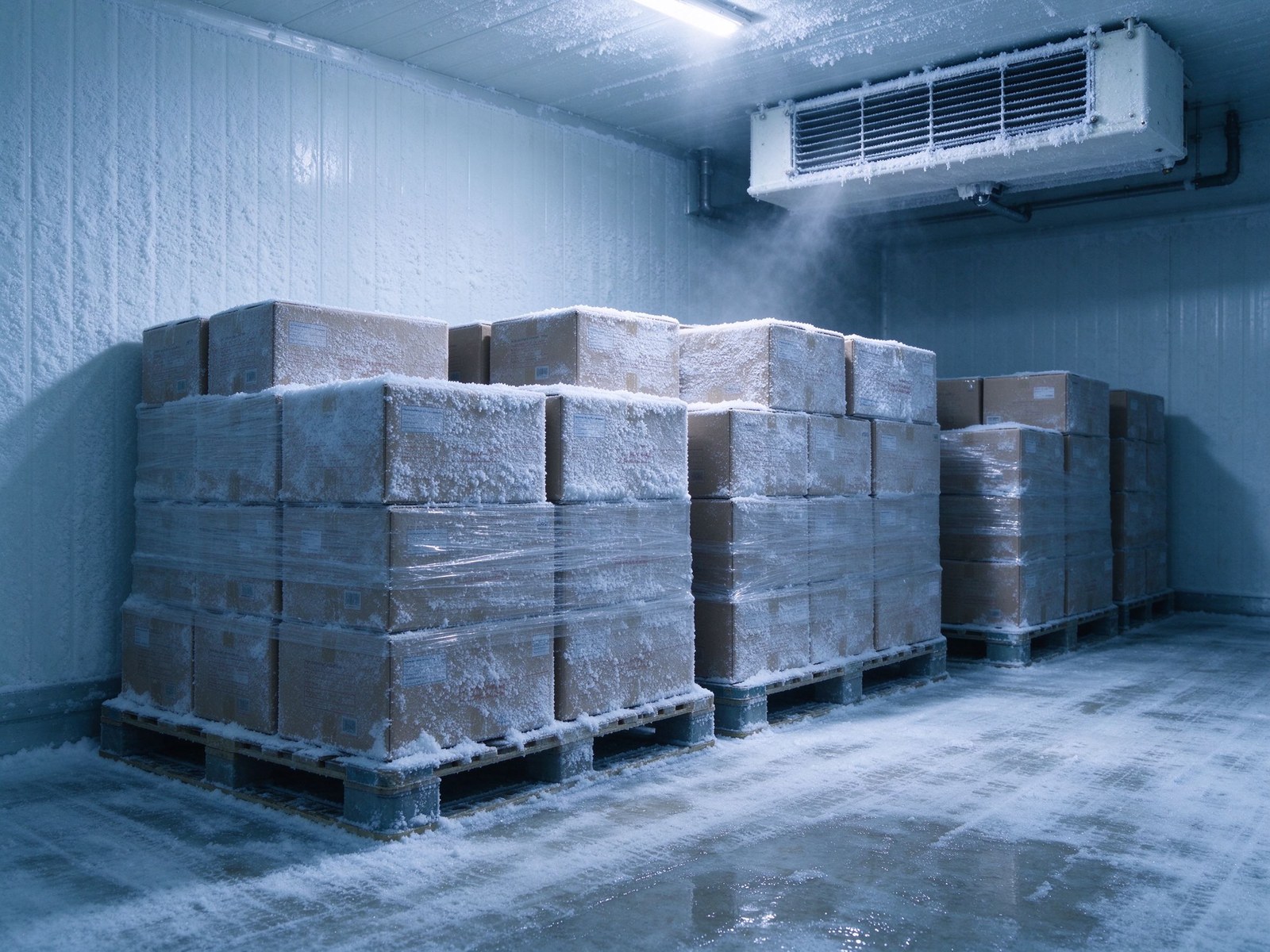
| Ice cream | -18 C storage, -25 to -30 C hardening | Not controlled | Frozen | Hardening is a separate room with a much higher load per m3 |
| UHT milk | 5 to 30 C ambient | Below 60% | Dry store | No refrigeration before opening; above 30 C shelf life shortens |
| Milk powder | Below 25 C | Below 60% | Dry store | Humidity clumps the bag faster than heat |
| Ghee | Below 30 C ambient | Dry | Dry store | Crystallisation in Gulf winter is normal, not a defect |
Two practical conclusions follow. First, a dairy distributor with a mixed portfolio needs a chill block, a freezer block and a dry block, each with its own panel thickness, door type and evaporator. Second, the chill block normally carries the most SKUs and the most traffic, so it decides the dock design and the door count.
Chill room details that hold 2 to 6 C
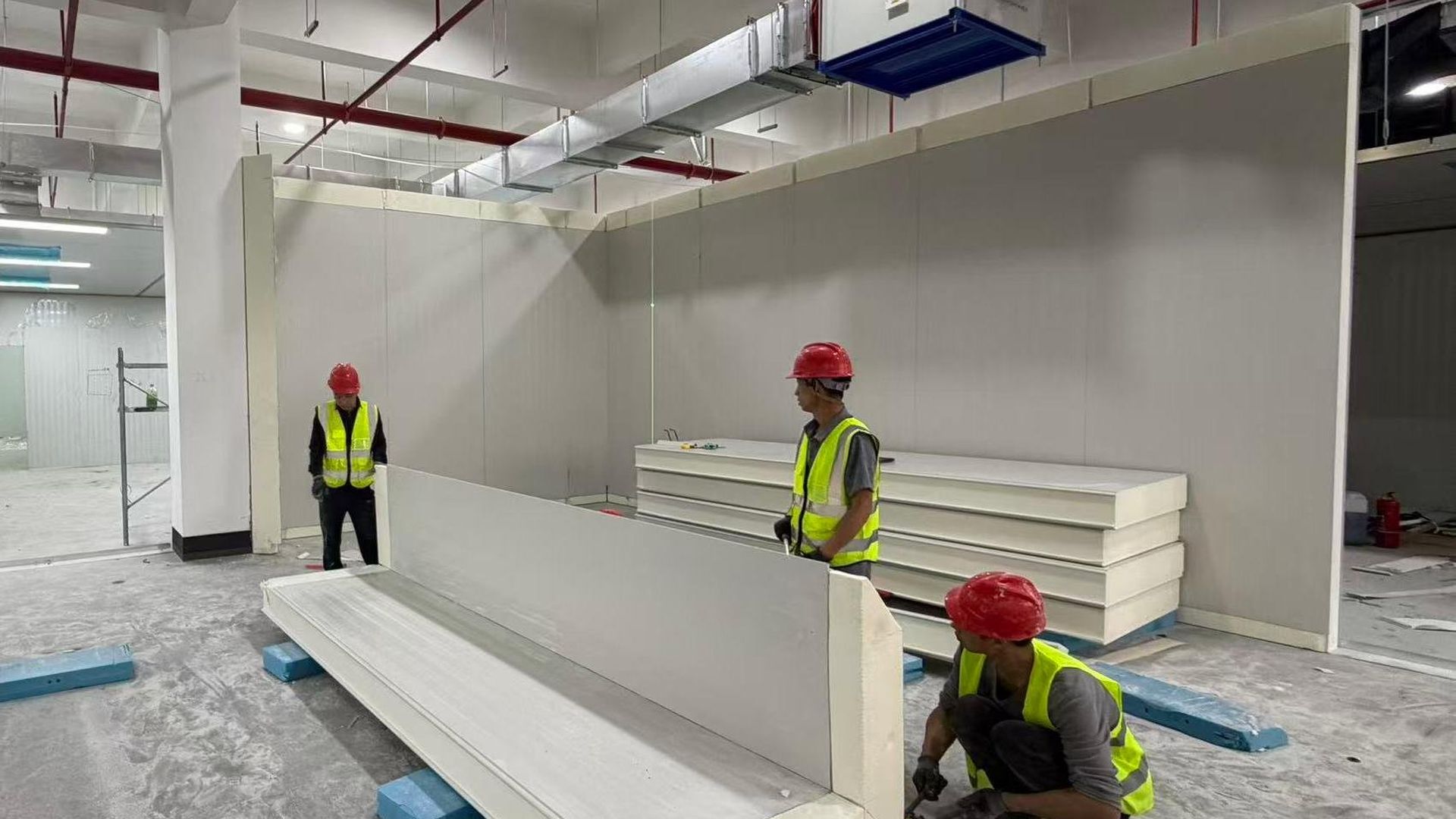
A 100 mm PU panel wall is the usual choice for a 0 to 6 C dairy room. The numbers that decide whether the room actually performs are smaller than the panel and easier to get wrong.
| Item | Typical choice for a 2 to 6 C dairy room | Effect if undersized |
|---|---|---|
| Panel | 100 mm PU, 38 to 42 kg/m3, cam-lock joints | Surface condensation, ice at the joints in coastal sites |
| Evaporator TD | 5 to 8 K between room air and evaporating temperature | A wide TD dries the air and takes moisture out of cheese and butter |
| Defrost | Electric or water defrost, 2 to 4 cycles per day | Coil ices up, airflow drops, product warms at the far end of the room |
| Relative humidity | 85 to 90% in the chill room | Below 80% the product loses weight and the cartons soften |
| Door | Sliding, 100 mm, air curtain where traffic is heavy | An open 2 m door at 45 C ambient adds more load than the panels lose |
| Floor | Insulated 100 mm, stainless drain channel, coved skirting | Brine and wash water pool, then the floor heaves |
| Control | Room probe plus product probe, high temperature alarm to phone | A failed door gasket is found at the next audit instead of the same night |
Defrost choice matters more in dairy than in most chill rooms. Electric defrost is simple and works at any ambient. Water defrost suits large coils and keeps the room humidity steadier, but it needs a drain that can take the volume and a floor that will not ice over at the door. Hot gas defrost belongs on the freezer side, not on a 4 C room.
Air distribution is the other detail that shows up in complaints. Dairy cartons are usually stacked tight on pallets, so the coil cannot blow over the top of the load and call it done. Leave a gap at the wall, keep the pallets inside the racking footprint, and check the throw at the last row rather than at the first.
Where Gulf dairy chains break
Four points account for most of the temperature excursions we see in the region.
- Dock dwell. A chill pallet on an open dock at 48 C gains roughly 2 to 3 C in twenty minutes. A refrigerated dock, strip curtains and a dock shelter cost far less than the rejected load.
- Port and customs time. Containers that arrive at 4 C can sit for hours before clearance. A reception room at 2 to 4 C with buffer capacity lets the site pull the load in instead of arguing with the container.
- Truck condition. The cold room is often better than the vehicle. Ask for a pre-cooled box and a download printout before the seal is broken.
- Retail back door. The last fifty metres is where a compliant chain becomes a claim. Small roll-in chillers at the store, or a delivery window that matches staff availability, fix more of this than any alarm.
Coastal sites add humidity to the list. At 85% RH and 45 C, every cold surface below the dew point drips. Insulated pipe, vapour-sealed panel joints and a drain inside the room are part of the design, not extras.
Port-side and re-export facilities
The Gulf imports a large share of its dairy, and the UAE and Saudi Arabia also re-export to East Africa and South Asia. That changes the room program. A port-side facility usually needs a chilled reception room, a cross-dock area that can hold a container load without mixing it into stock, and a frozen room for ice cream and butter. Re-export business also needs a labelling area at ambient, because cartons have to be relabelled before they leave.
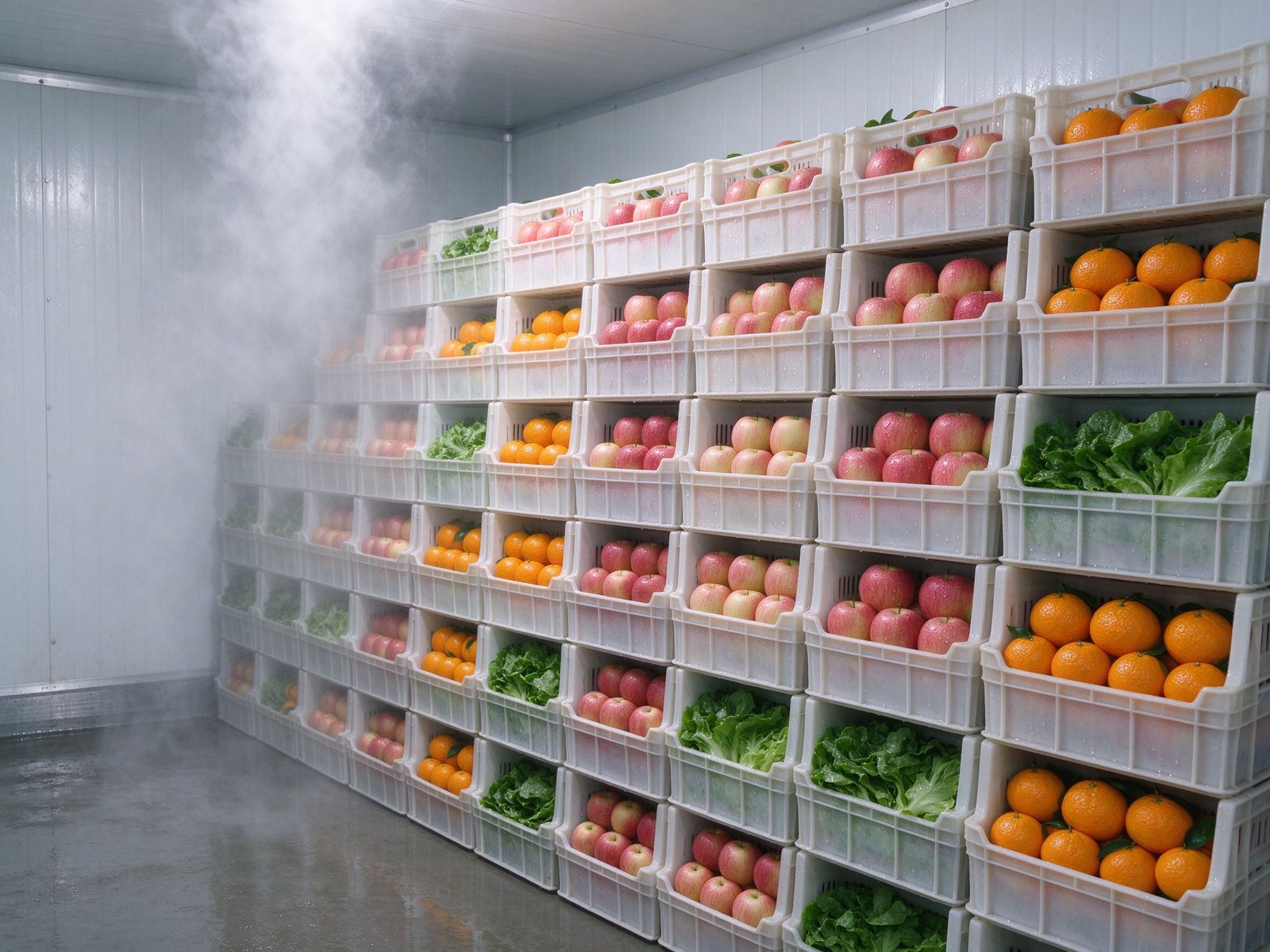
For a facility like this, a fresh-keeping room built around pallet flow makes more sense than a room built around shelving. See the fresh-keeping cold store for the room type, the cold chain logistics warehouse for the larger cross-dock layout, and the frozen storage room for the -18 C side. Panel and door selection is covered in the panel range and the door range.
Compliance notes for dairy in the Gulf
Saudi Arabia: the SFDA registers food establishments and sets import requirements for dairy. Shipments normally arrive with a health certificate, and products that contain animal-derived ingredients such as rennet or gelatin in the recipe also need a halal certificate. Arabic labelling is required on the retail pack.
The UAE: MOIAT oversees the halal certification system, while each emirate's food safety authority issues import permits and runs the border inspection. A dairy importer usually deals with both, and the certificate has to match the product actually shipped.
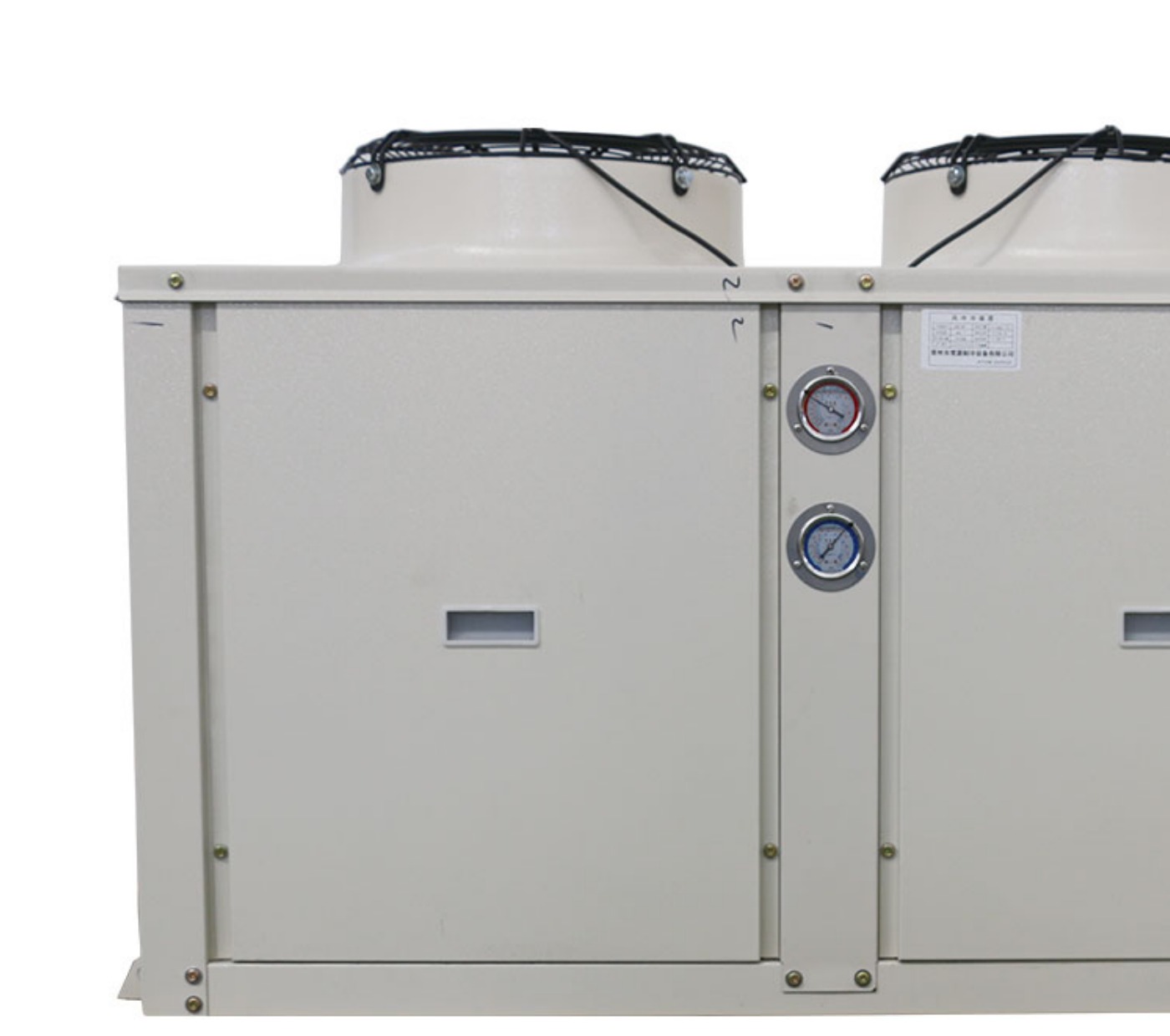
Both sets of rules change. Confirm the version in force on the day of shipment with your importer or the local authority before the container leaves. The halal cold storage guide covers the room-level side of that requirement, and the high ambient condensing unit note covers equipment selection for 45 C sites.
What to send for a dairy room quotation
A useful quotation needs more than a room size. Send these and the reply comes back with a layout, a load calculation and a price instead of a range.
- Product list with storage temperature for each item, and daily tonnage in and out.
- Incoming product temperature: chilled from a container, or ambient from a local plant.
- Pallet size, stack height and whether the room will be floor stacked or racked.
- Dock schedule: how many vehicles per day, and for how long each stays open.
- Summer design ambient and humidity for the site, plus the power supply available.
- Site drawing or dimensions, and the date the building will be ready.
ANCOLD is a cold room engineering and supply company working from Hefei, China. We size the room, select the panels, doors, evaporators and condensing units, and ship as one package. Installation is done by our trusted installation teams or by the client's contractor under our commissioning support. For dairy projects in the Gulf we normally quote in two parts: the chill and frozen room package, and the dry store and dock works, so the client can phase the spend.
Frequently Asked Questions
What temperature should a dairy cold room run at?
Pasteurized milk, fresh cheese and butter sit at 2 to 4 C. Laban and stirred yoghurt are usually held at 2 to 6 C. Ice cream needs -18 C for storage and -25 to -30 C for hardening. UHT milk and milk powder stay in a dry store, not a cold room.
Can milk, laban and white cheese share one cold room?
Yes, when every product sits inside the 2 to 4 C band. Keep butter away from fish, spices or anything with a strong odour, because butter picks up smells from the room air. If a line packs yoghurt at 6 C, give it its own zone instead of warming the whole room.
Is a 100 mm panel enough for a dairy room at 48 C ambient?
For a 2 to 6 C room, 100 mm PU panels are the normal choice and work at Gulf ambient. The details that decide performance are the door, the floor insulation and the dock, not the wall alone. A -18 C freezer room normally uses 150 mm panels.
Why does butter or cheese dry out in a cold room?
A wide temperature difference between room air and evaporating temperature pulls moisture out of the product. Keep the TD at 5 to 8 K and relative humidity at 85 to 90% for a chill room. A coil that ices up also cuts airflow and warms the far end of the room.
How much cold room space does a dairy distributor need?
A floor-stacked pallet of cartoned dairy holds roughly 600 to 800 kg. Ten tonnes a day with five days of cover works out to about 60 to 80 pallet positions, plus a reception buffer for container loads. Racking changes the number, so send the pallet height with the enquiry.
Do dairy imports into the Gulf need halal certification?
It depends on the ingredients. Products that use animal-derived rennet or gelatin normally need a halal certificate in Saudi Arabia and the UAE. The SFDA and the emirate food safety authorities also ask for a health certificate and Arabic labelling. Rules change, so confirm the current version with your importer before shipment.