What a Port Cold Store Has to Handle
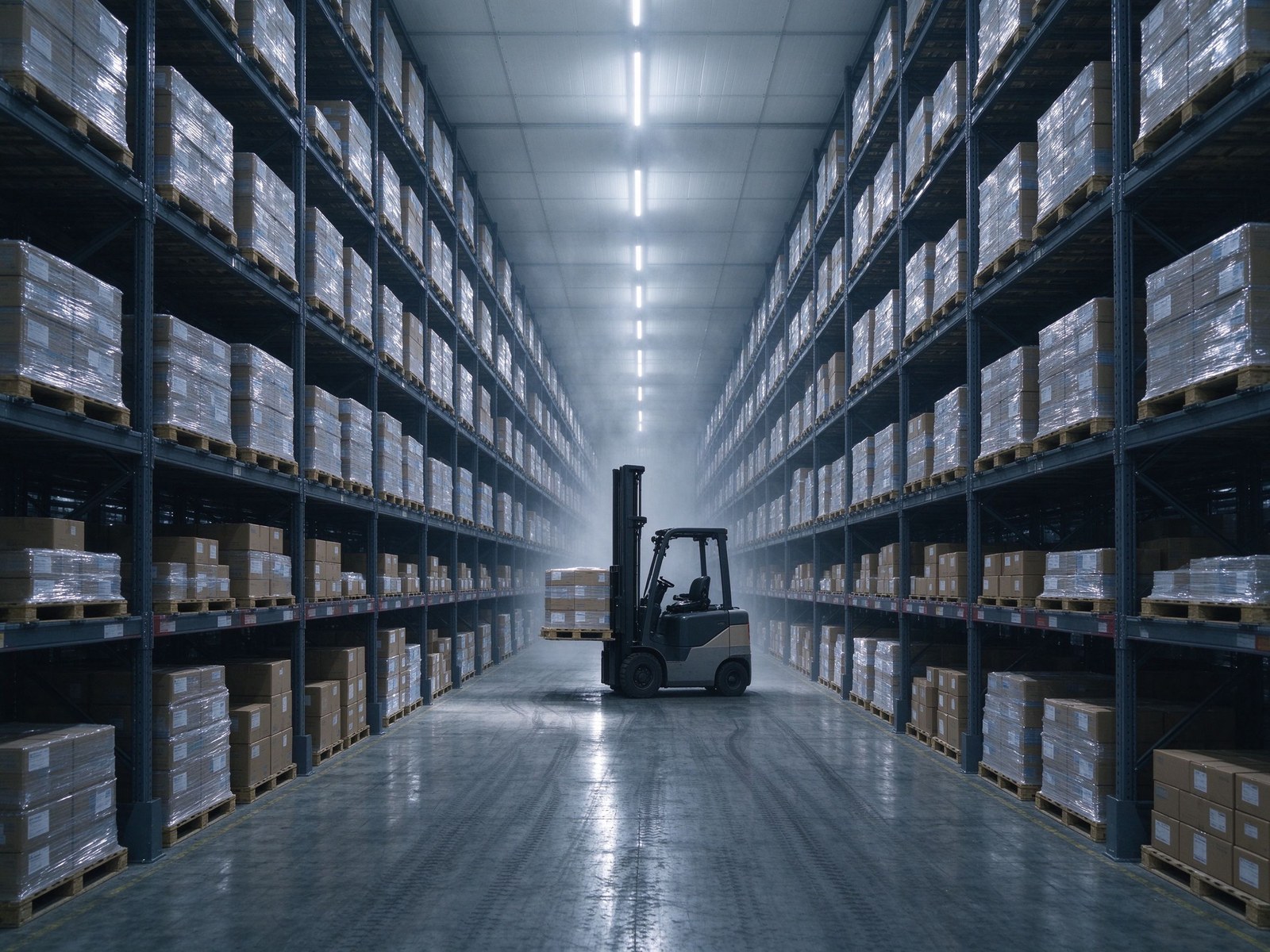
A port cold store is a refrigerated warehouse at or beside a container terminal, planned around reefer container flows instead of production batches or store orders. From the outside it looks like any other cold store. Inside, three things change the design: cargo stays for days rather than hours, the loading face is a container gate rather than a delivery bay, and the temperature record has to travel with each consignment.
A vessel call can put dozens of reefer boxes on your gate in one shift, and the ship does not wait for your forklift. If a box misses its free time, demurrage starts, and the cost lands on whoever booked the store. That pattern makes a port store a buffer between two schedules it does not control. The layout, the door count and the plug bank all follow from that.
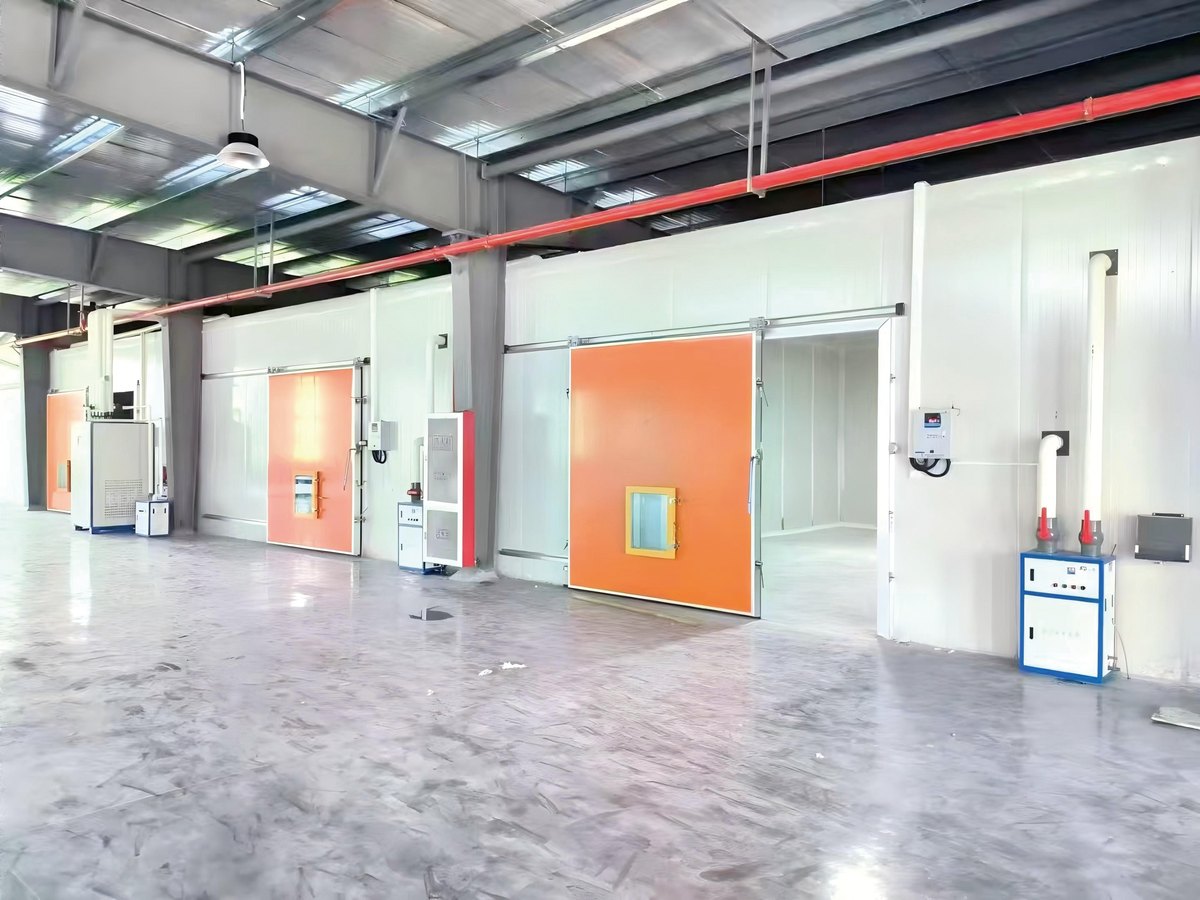
Most port stores run two or three temperature zones under one roof: frozen at -18 °C to -25 °C, chilled at 0 °C to +4 °C, and sometimes a warm room at +13 °C to +14 °C for bananas. That range is wider than the four basic cold room types, which is why the zone map comes before the equipment list. Cargo can be palletized or floor loaded, and a single store often sees both on the same day. Customs inspection, phytosanitary checks and cold treatment add another layer of handling that a production cold store never sees.
The Container Interface Drives the Layout
A reefer container is a room with its own refrigeration unit, and the store has to work with that unit rather than replace it. In practice the container arrives either plugged into a socket bank, running on a clip-on genset, or already at setpoint from the vessel. The store's job is to keep it powered, check it, and empty it fast when the cargo is needed.
- Plug banks. A 40 ft reefer draws roughly 5 kW to 9 kW while running. A bank of 20 plugs is a serious electrical load, and the supply, cable routing and metering need to be sized with an electrician, not guessed at the end of the project. Per-plug metering also lets you bill waiting time to the right customer.
- Pre-trip inspection. Before a box leaves the gate, someone checks the setpoint, the door seals, the drain and the unit alarm history. A ten-minute check at the gate is cheaper than a claim at destination.
- Palletized or floor loaded. Palletized cargo comes out with a forklift in under an hour. Frozen fish and some meat are hand stacked to the ceiling, and that work happens inside the freezer, at -18 °C, with people in the box for an hour or more.
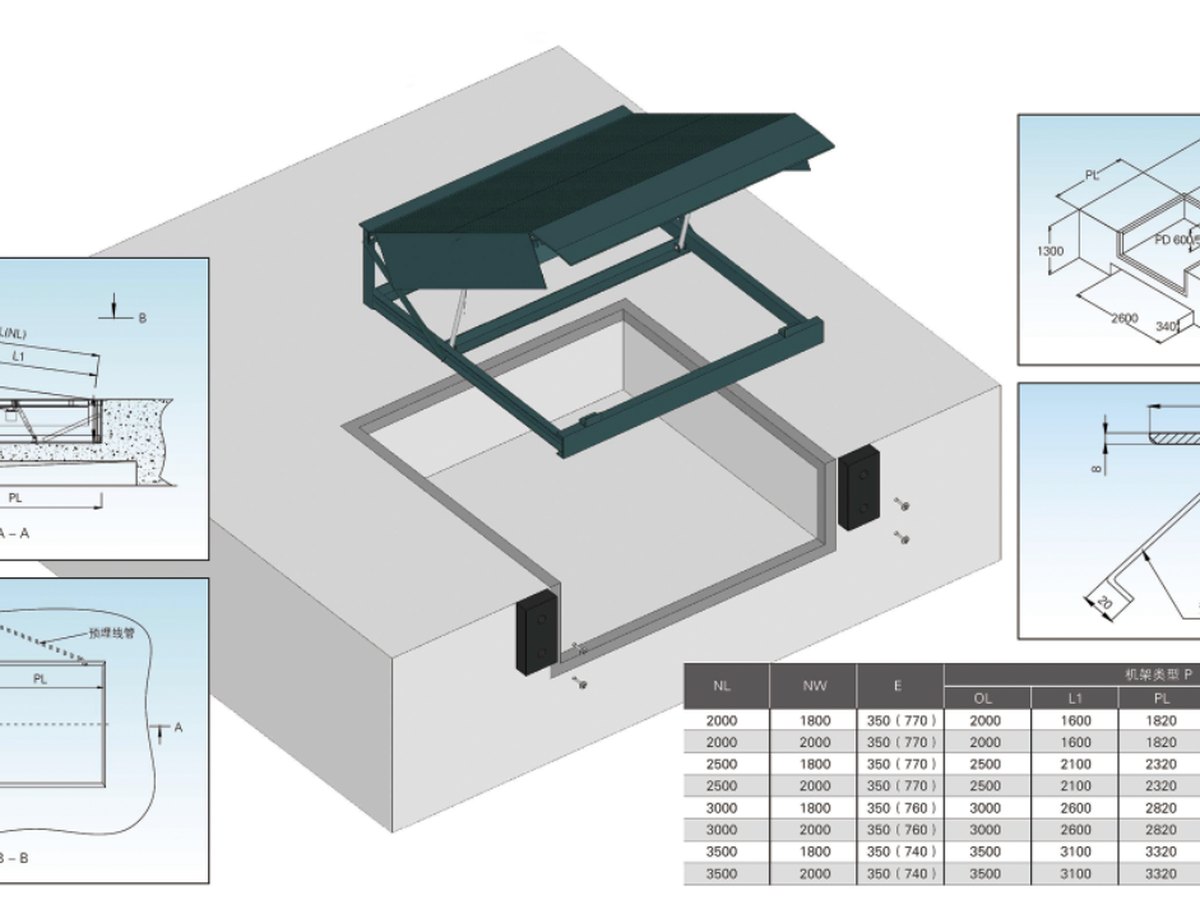
- Dock geometry. Container door openings sit close to 2.3 m wide and 2.5 m high, so a dock opening of about 2.4 m by 2.6 m clears most boxes with room for the seal. Container floors on a chassis are around 1.2 m to 1.3 m above the yard, which sets the dock height and the leveler travel.
- Cold treatment. Some fruit exports run under a cold treatment protocol, where the pulp temperature has to hold at a setpoint for a set number of days. Air has to pass through the pallet pattern for that to work, so the stow plan matters as much as the thermostat.
Sizing Around Dwell Time and Peak Weeks
Port stores are sized on peak inventory, not average throughput. The working sum is simple: containers per day times tonnes per container times dwell days, then add a buffer for the week when two vessels arrive together. A store handling 20 containers a week at 22 t each, with an eight-day dwell, holds about 560 t on average. A 30 percent buffer for peak weeks takes that to roughly 730 t, and the room, racking and refrigeration follow the larger number. At that size the project falls into large cold chain logistics warehouse territory, where the room layout and the refrigeration rack are designed together.
Dock positions follow the same logic. As a planning starting point, one dock position moves four to six containers a day when cargo is palletized and checked at the dock. Floor-loaded frozen cargo is slower, because the container has to be filled or emptied inside the freezer. A gate that sees 15 containers on a peak day needs three positions, or two positions and a second shift.
| What drives the design | Port cold store | Inland cold store | Production cold store |
|---|---|---|---|
| Peak comes from | Vessel calls and sailing schedules | Rail or road arrivals from the port | Harvest, kill line or production runs |
| Typical dwell | 3 to 10 days, longer if customs holds the box | 1 to 5 days | Hours to a few days |
| Main interface | Reefer container at a dock, plug bank | Trailer, reefer container, rail wagon | Pallet, trolley, conveyor |
| Temperature zones | Frozen and chilled under one roof, sometimes a warm room | Usually one or two zones | Matched to one process |
| Door priority | Fast cycle, tight seal, dock shelter and leveler | Seal and insulation, fewer cycles | Hygiene and process flow |
| Records | Per container, for customs and the buyer | Per consignment | Per batch |
Envelope, Doors and Refrigeration at a Dock
A dock is a hole in the envelope, and every opening costs money twice: once in the refrigeration load, and again in ice on the floor. Air exchange at the dock is one of the places where cold room energy quietly leaves the building. In a tropical port the outside air is often 32 °C and 80 percent humidity. When that air meets a -18 °C room, the moisture condenses in seconds, then freezes. The result is a wet threshold in the morning and a sheet of ice by the afternoon.
Frozen rooms usually take 150 mm panels, chilled rooms 100 mm to 150 mm depending on the setpoint and the climate. Floors need insulation and a vapour barrier that stays intact under forklift traffic, and the dock pit needs its own detail so the leveler does not become a thermal bridge.
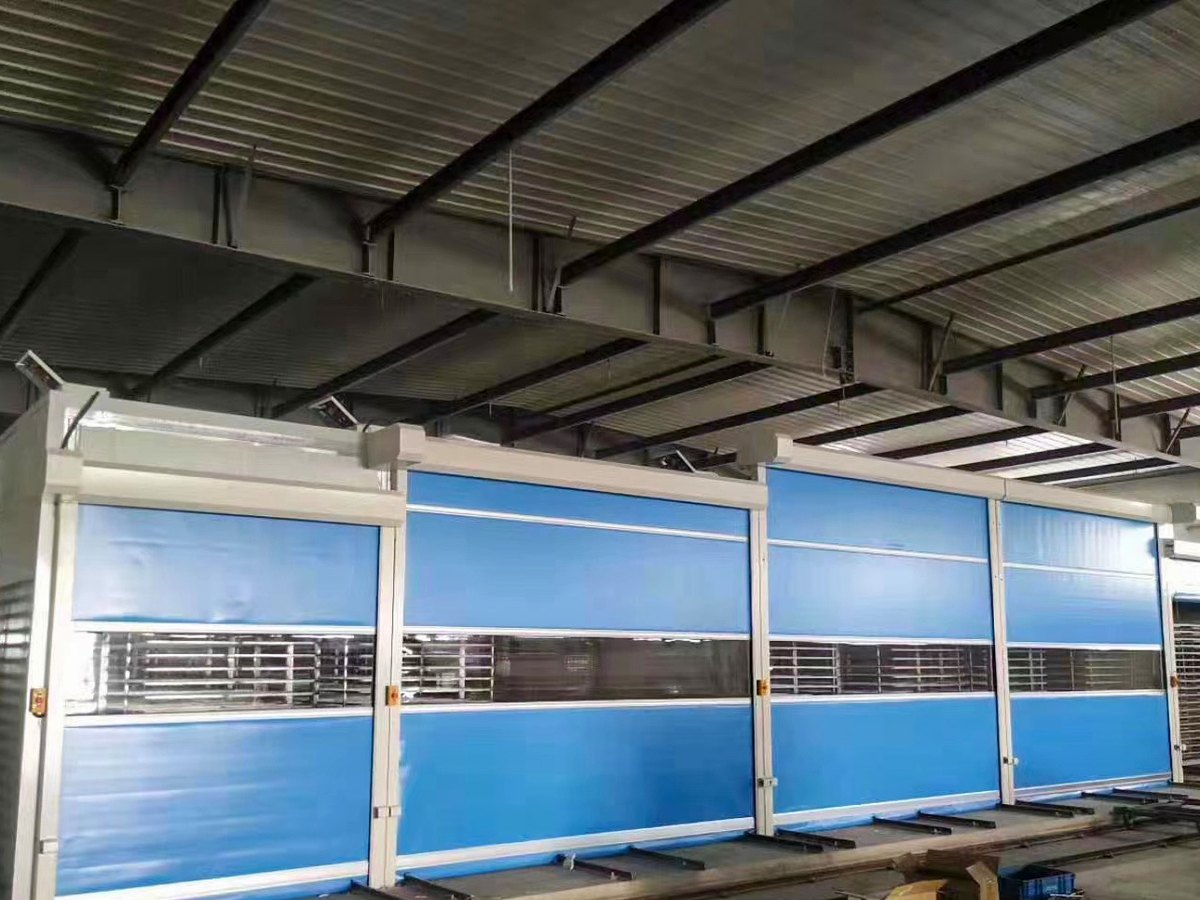
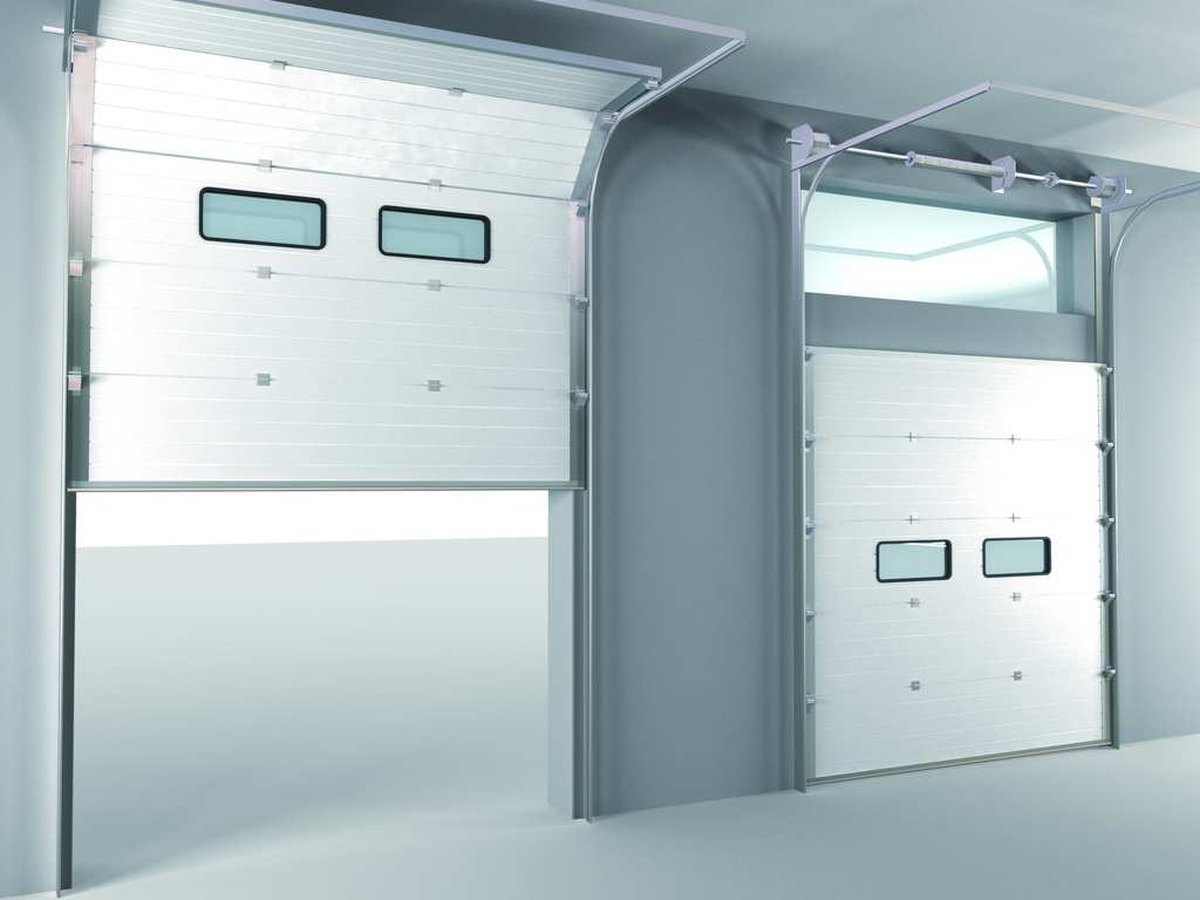
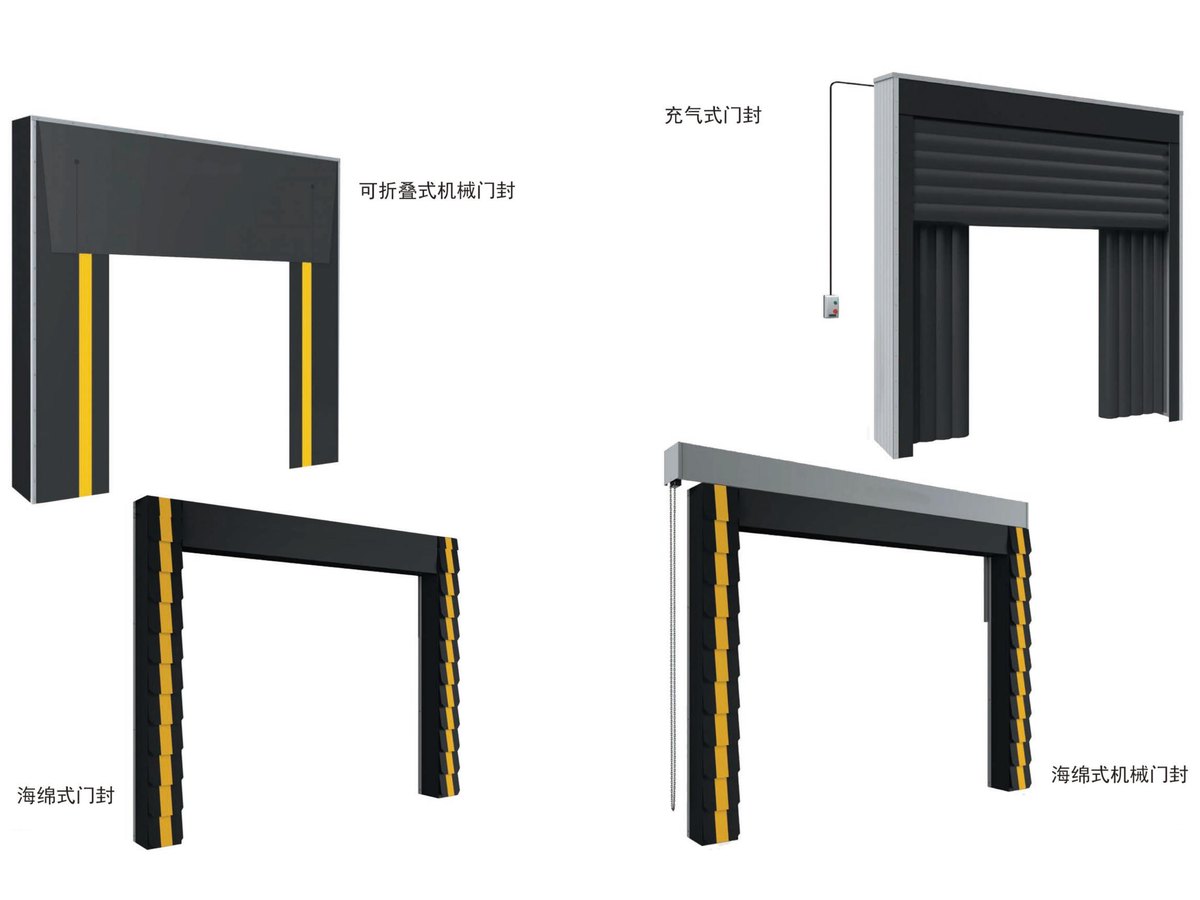
Door choice at a container dock is less about style and more about open time. A high-speed roll-up door closes in seconds and suits a busy dock. An insulated sectional overhead door is slower but cheaper and works well on lower-traffic positions. A loading dock shelter seals the gap around the container, and a hydraulic dock leveler takes the height difference between the yard and the container floor. Strip curtains and a door interlock help, but they do not replace a door that closes quickly.
Refrigeration follows the zone map. One central rack with multiple compressors handles a large store with several rooms and gives good part-load behaviour. Separate condensing units suit smaller stores and let one room run while another is empty. Either way, plan N+1 on the compressor side, because a port store cannot ask a ship to wait for a repair. At a coastal site, condensers also need a corrosion plan: salt air eats galvanised coils, and a coated coil or a sheltered position costs less than a replacement bank in year four.
Controls matter as much as capacity. Per-room temperature logging, alarm escalation to a phone, and a record that can be exported by consignment are standard asks from exporters and their buyers. The store also needs a clear plan for defrost, because a dock door that opens every few minutes changes the frost pattern on the evaporators.
Inland Stores, Records and the Quotation Checklist
Inland cold stores at dry ports and rail terminals do the same job one step removed from the water. Transit from the port is usually one to three days, so the box arrives with less temperature margin, and the store has to recover the setpoint quickly without overloading the evaporators. Rail adds its own limits: wagon gauging, axle weight and the time a container sits on a flat wagon before it is lifted. A store that plans for road only often finds the rail option needs a different dock and a different crane or reach stacker plan.
The record side is where port and inland stores both get audited. Each consignment should have a temperature history that covers the sea leg, the gate, the store and the outbound load, with alarms logged rather than erased. Customs and the buyer may each ask for a different period, so keep the data longer than the minimum and make it exportable. Rules on bonded storage, inspection and cold treatment change, so confirm the current requirement with your customs broker and the local authority before you ship.
ANCOLD is an engineering and supply company, not a manufacturer. Panels, doors, refrigeration units and controls come from a network of vetted manufacturers, and we size and integrate them for the site. Our teams can travel for installation and commissioning, and we stay involved through technical support and spare parts after handover. The company was registered in 2021 and works with developers, logistics operators and contractors across Southeast Asia, the Gulf and Africa.
For a quotation we need the following:
- Site location and whether the store is at a terminal, a dry port or an inland depot
- Container mix: 20 ft and 40 ft, reefer share, and the peak number of boxes at the gate per day
- Expected dwell time and the busiest week of the year
- Temperature zones and setpoints, plus any cold treatment protocol
- Cargo type and whether it is palletized or floor loaded
- Available power: voltage, phases and the capacity at the site
- Number of dock positions, dock height and whether a leveler or shelter is needed
- Site ambient conditions, salt exposure and any local fire or customs requirement
- Drawings or a site plan, and the target opening date
Send these details and we will come back with a layout, a capacity check and a costed equipment list. If some numbers are still open, mark them as to be confirmed. A store built around a guessed peak will be either too small in year two or too expensive on day one.
Frequently Asked Questions
How many reefer plugs does a port cold store need?
Size the plug bank to the peak number of reefer boxes that will sit at the store at the same time, then add 10 to 20 percent spares. Peak demand is usually set by the largest vessel call in your schedule, not by average weekly volume. Confirm the site's electrical capacity before the design is fixed, because 20 plugs at 5 kW to 9 kW each is a large load.
Can a reefer container be emptied inside a freezer?
Yes, when the cargo is floor loaded. The container is parked at a dock and the crew works inside it at -18 °C, so the dock needs a wide, fast door, a leveler at the right height, good lighting, an alarm and a second exit. Shifts are kept short and cold-protective clothing is required. Palletized cargo is faster and is normally handled outside the room.
What setpoints do port cold stores use?
Common setpoints are -18 °C to -25 °C for frozen cargo, 0 °C to +4 °C for chilled cargo, and +13 °C to +14 °C for bananas. The final setpoint depends on the commodity and the buyer's specification. Ask the shipper for the setpoint and any cold treatment protocol before the room is commissioned.
Does a container dock need a shelter and a leveler?
A shelter is close to essential in a humid or rainy climate. It keeps rain and warm air out of the gap around the container. A leveler bridges the height difference between the yard and the container floor. Without one, forklifts work on a ramp, which is slower and less safe.
How long does cargo stay in a port cold store?
Typically three to ten days, and longer when customs or phytosanitary inspection is slow. Inland stores at a dry port usually see one to five days. Size the room for the longer figure and the peak week rather than the average.
Can ANCOLD supply and install a port cold store?
ANCOLD is an engineering and supply company. We size the rooms, supply panels, doors, refrigeration units and controls from a network of vetted manufacturers, and can send trusted installation teams for installation and commissioning. Send the site plan, container mix and peak volume for a first layout.